

How to Choose the Best Water Purifier for Home
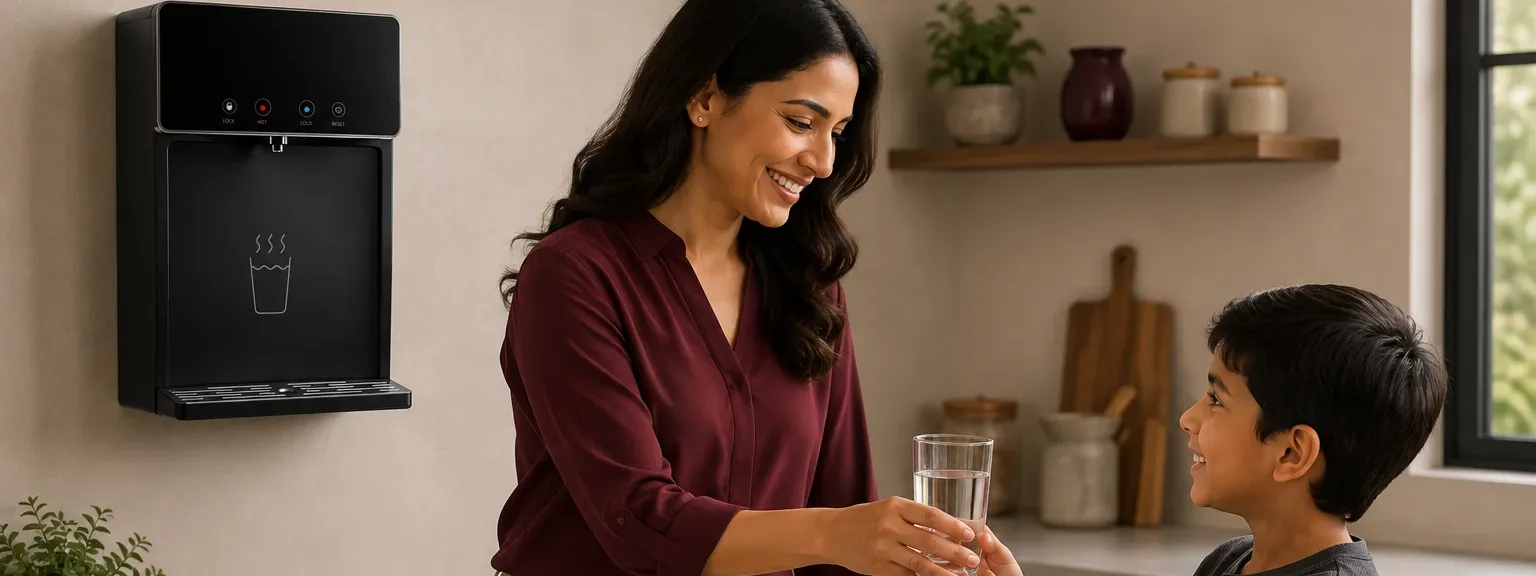
Clean drinking water isn't a luxury—it's a necessity that directly impacts your family's health and well-being. With India's water quality varying dramatically across regions and contamination levels rising in urban areas, choosing the right water purifier for home has become more critical than ever. The market floods you with options ranging from basic UV systems to advanced RO technology, each promising crystal-clear water but delivering vastly different results. Many households still struggle with frequent breakdowns, high maintenance costs, and subpar filtration despite investing in water purification systems. This comprehensive guide cuts through the marketing noise to help you make an informed decision based on your specific water quality, budget, and family needs.
Water purification technology has evolved significantly, offering multiple approaches to tackle various contaminants. Each system targets specific impurities, making it crucial to understand what you're dealing with before investing in any solution.
The three primary technologies dominating the Indian market include Reverse Osmosis (RO), Ultraviolet (UV), and Ultrafiltration (UF) systems. RO technology excels at removing dissolved salts, heavy metals, and chemical contaminants by forcing water through a semi-permeable membrane. UV systems use ultraviolet light to kill bacteria, viruses, and other microorganisms without altering water's taste or removing beneficial minerals. UF technology sits between the two, removing bacteria and larger particles while retaining essential minerals.
RO water purifiers use high pressure to push water through multiple filtration stages, including sediment filters, carbon blocks, and the crucial RO membrane. This process removes up to 99% of dissolved impurities, making it ideal for areas with high Total Dissolved Solids (TDS) levels above 300 ppm.
UV purification destroys harmful microorganisms using germicidal ultraviolet light, making water microbiologically safe without chemicals. However, UV systems cannot remove dissolved salts, heavy metals, or chemical pollutants, limiting their effectiveness in areas with high TDS levels.
Ultrafiltration works best for low TDS water sources where the primary concern is bacterial contamination. UF systems retain beneficial minerals while removing harmful microorganisms, making them energy-efficient alternatives to RO systems in specific scenarios.
Before selecting any water filter for drinking water, conducting a thorough water quality analysis becomes essential. Different regions face unique contamination challenges, from high fluoride levels in Rajasthan to arsenic contamination in West Bengal.
Start by testing your water's TDS levels, pH balance, hardness, and microbial contamination. TDS levels below 300 ppm typically require UV or UF purification, while levels above 500 ppm necessitate RO technology. Water hardness affects taste and appliance longevity, while pH imbalance can indicate chemical contamination requiring specialized filtration.
Municipal water supplies often contain chlorine for disinfection, requiring carbon filtration for taste and odor improvement. Borewell water frequently contains high mineral content and bacterial contamination, demanding multi-stage purification. Surface water sources like rivers and lakes need comprehensive treatment addressing both chemical and biological contaminants.
Simple TDS meters provide basic dissolved solids readings, while comprehensive test kits analyze multiple parameters including pH, hardness, chlorine, and bacterial presence. Professional water testing services offer detailed reports identifying specific contaminants and recommended treatment methods.
Northern Indian cities often deal with high TDS and hardness levels requiring RO purification. Coastal areas face salinity issues demanding specialized desalination technology. Industrial regions may have heavy metal contamination requiring activated carbon and specialized filters.
Selecting the best home water filter involves evaluating multiple factors beyond basic filtration technology. Capacity requirements, maintenance costs, energy consumption, and long-term reliability significantly impact your overall experience and investment value.
Consider your family size and daily water consumption patterns when evaluating storage capacity. A family of four typically requires 15-20 liters of purified water daily, including drinking and cooking needs. Flow rate becomes crucial during peak usage times, with quality systems delivering 10-15 liters per hour consistently.
Filtration stages determine purification effectiveness, with premium systems offering 6-8 stage processes including pre-filtration, RO/UV treatment, post-carbon polishing, and mineral enhancement. Multi-stage systems provide comprehensive protection against diverse contaminants while improving taste and odor.
Look for systems with automatic shut-off mechanisms preventing overflow and water wastage. Smart indicators for filter replacement, service reminders, and purification status enhance user convenience. Stainless steel storage tanks resist bacterial growth better than plastic alternatives.
Energy-efficient models reduce electricity consumption while maintaining optimal performance. Calculate annual operating costs including electricity, filter replacements, and service charges. Premium systems often justify higher upfront costs through lower maintenance requirements and longer component life.
RO water purifier price ranges vary significantly based on brand, features, and capacity. Entry-level models start around INR 8,000-12,000, offering basic RO filtration suitable for moderate TDS levels. Mid-range systems priced INR 15,000-25,000 include additional UV sterilization, larger storage capacity, and better build quality.
Premium RO systems costing INR 30,000-50,000 feature advanced multi-stage filtration, smart connectivity, and superior components ensuring longer lifespan. Commercial-grade units for large families or small offices range INR 40,000-80,000, offering high-capacity purification with minimal maintenance requirements.
Consider total cost of ownership including filter replacements, annual maintenance, and electricity consumption. Quality systems with higher upfront costs often deliver better long-term value through reduced service requirements and longer component life. Warranty coverage and service network availability significantly impact ownership experience.
Budget models provide basic RO filtration but may require frequent maintenance and filter changes. Premium systems offer advanced features like mineral enhancement, smart monitoring, and superior build quality justifying higher investment for long-term reliability.
Factor in annual filter replacement costs ranging INR 3,000-8,000 depending on system complexity and local water quality. Service charges typically add INR 2,000-5,000 annually. Premium systems often reduce these ongoing costs through better component design and longer service intervals.
Proper installation ensures optimal performance and longevity of your water purification investment. Most systems require professional installation involving plumbing connections, electrical setup, and initial system commissioning. Wall-mounted units need sturdy support capable of handling full water weight.
Pre-installation preparation includes selecting appropriate location with adequate space for maintenance access. Ensure proximity to water supply lines and electrical outlets while maintaining minimum clearances specified by manufacturers. Consider drainage requirements for RO systems producing reject water.
Regular maintenance schedules prevent performance degradation and extend system life. Replace pre-filters every 6-12 months depending on water quality and usage patterns. RO membranes typically last 2-3 years with proper pre-filtration, while UV lamps require annual replacement for optimal sterilization effectiveness.
Professional installation ensures proper setup, warranty coverage, and initial performance optimization. DIY installation may void warranties and lead to performance issues if connections aren't properly sealed or electrical requirements aren't met correctly.
Establish regular inspection routines checking for leaks, unusual noises, or performance changes. Monitor TDS levels in purified water to detect membrane degradation early. Keep maintenance logs tracking filter changes and service history for warranty claims and troubleshooting.
Modern water purifiers incorporate smart technology enhancing user experience and system performance. IoT connectivity enables remote monitoring, predictive maintenance alerts, and performance optimization through mobile applications.
Smart sensors continuously monitor water quality parameters including TDS levels, flow rates, and filter performance. Automated alerts notify users about required maintenance, filter replacements, and system malfunctions before they impact water quality. Some systems offer smartphone connectivity for remote monitoring and control.
Advanced filtration technologies include mineral enhancement cartridges restoring beneficial minerals removed during RO processing. Alkaline enhancement systems adjust pH levels for optimal health benefits. UV-C LED technology provides chemical-free sterilization with longer lamp life and lower energy consumption.
Connected water purifiers provide real-time data about water consumption patterns, filter life remaining, and system performance metrics. Mobile apps enable remote system control, maintenance scheduling, and performance tracking for optimal user experience.
Post-purification mineral enhancement adds essential minerals like calcium and magnesium back into RO-treated water. pH balancing systems ensure optimal alkalinity for better taste and potential health benefits while maintaining water purity standards.
Water purifier environmental impact includes energy consumption, plastic waste from filter replacements, and reject water generation from RO systems. Choosing energy-efficient models reduces carbon footprint while maintaining purification effectiveness.
RO systems typically waste 2-4 liters for every liter of purified water produced. Modern efficient systems reduce this ratio through improved membrane technology and pressure optimization. Reject water can be repurposed for cleaning, gardening, or other non-potable applications.
Filter disposal creates plastic waste requiring proper recycling programs. Some manufacturers offer take-back programs for used filters, ensuring responsible disposal and recycling. Choosing systems with longer filter life reduces replacement frequency and associated waste generation.
Implement reject water collection systems for alternative uses like floor cleaning, car washing, or garden irrigation. Some advanced RO systems include reject water recycling features reducing overall wastage. Regular maintenance ensures optimal efficiency minimizing water waste.
Look for manufacturers offering biodegradable or recyclable filter components. Extended filter life reduces replacement frequency and associated environmental impact. Some brands provide filter recycling programs ensuring responsible disposal of used components.
The best water purifier depends on your local water quality, with RO systems ideal for high TDS areas (above 300 ppm) and UV systems suitable for low TDS water with bacterial contamination. Beyond Appliances has expanded from their water purifier expertise into comprehensive kitchen solutions, bringing the same quality standards to all home appliances.
Quality water purifiers range from INR 15,000-35,000 for home use, with total ownership costs including annual maintenance of INR 5,000-8,000. Investing in reliable systems with good service support provides better long-term value than cheaper alternatives requiring frequent repairs.
Pre-filters typically require replacement every 6-12 months, RO membranes last 2-3 years, and UV lamps need annual replacement. Actual replacement frequency depends on water quality and usage patterns, with regular monitoring ensuring optimal performance.
While basic countertop models allow DIY installation, wall-mounted systems require professional installation for proper plumbing connections, electrical setup, and warranty coverage. Professional installation ensures optimal performance and prevents potential damage from improper setup.
RO purifiers work better for high TDS water common in Indian cities, removing dissolved salts and chemicals. UV purifiers suit low TDS water sources focusing on bacterial elimination. Many Indian homes benefit from combination RO+UV systems addressing both chemical and biological contamination effectively.
Choosing the right water purifier for home requires careful consideration of local water quality, family needs, and long-term costs rather than focusing solely on initial purchase price. Understanding different purification technologies helps match systems to specific contamination challenges, ensuring optimal performance and value.
Quality systems with comprehensive filtration stages, reliable service support, and energy-efficient operation provide better long-term value despite higher upfront investment. Regular maintenance schedules and proper installation ensure consistent performance and extend system lifespan, maximizing your investment in family health and safety.
Modern water purifiers integrate smart monitoring technology with advanced multi-stage filtration, delivering consistently pure water while minimizing maintenance requirements through superior component design and comprehensive service support across India's diverse water quality conditions.
