

How to Choose the Best Kitchen Chimney for Home
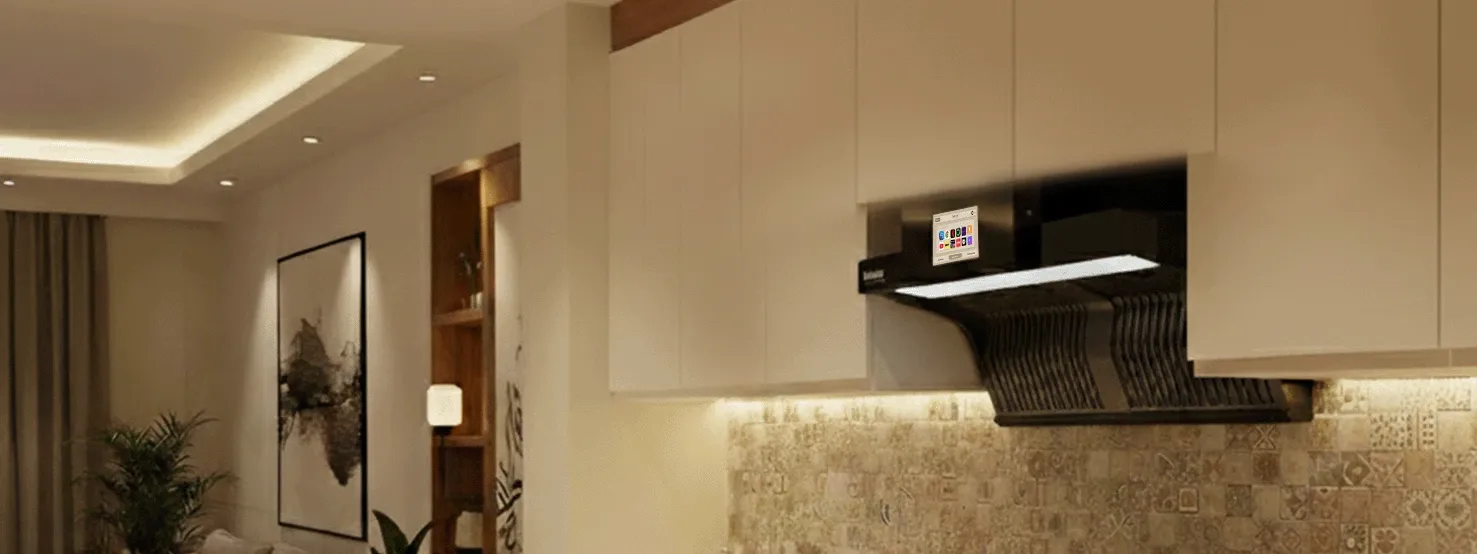
Choosing the right kitchen ventilation system can transform your cooking experience from smoky and uncomfortable to clean and enjoyable. A quality kitchen chimney not only removes smoke, grease, and odors but also protects your kitchen walls and cabinets from damage. With Indian cooking styles involving high heat and aromatic spices, having an effective smoke absorber becomes essential for maintaining a healthy kitchen environment. The market offers various options from wall mounted chimneys to advanced auto clean systems, making the selection process both exciting and overwhelming for homeowners.
A kitchen chimney serves as your home's respiratory system, continuously working to maintain clean air while you cook. This essential appliance captures smoke, steam, and cooking odors at their source, preventing them from spreading throughout your home. Modern cooking hoods combine powerful suction with advanced filtration to create a comfortable cooking environment.
A kitchen chimney functions as a specialized ventilation system designed specifically for cooking areas. It consists of a canopy that captures rising smoke and vapors, a powerful motor that creates suction, and filters that clean the air before recirculation or external venting. The primary benefits include improved indoor air quality, reduced kitchen maintenance, and enhanced cooking comfort. Regular exposure to cooking smoke can cause respiratory issues, while grease buildup damages kitchen surfaces over time.
The suction mechanism relies on centrifugal fans that create negative pressure above your cooktop. This draws smoke and vapors upward into the chimney's capture area. Advanced filtration systems then separate grease particles and odors from the air stream. Ductless chimney models recirculate cleaned air back into the kitchen, while ducted systems exhaust it outside. Energy-efficient motors ensure optimal performance while minimizing electricity consumption.
Selecting the appropriate chimney type depends on your kitchen layout, cooking habits, and aesthetic preferences. Each design offers unique advantages for different cooking environments. Understanding these variations helps you make an informed decision that complements your kitchen's functionality and style.
Wall mounted chimneys attach directly to the wall above your cooktop, making them ideal for standard kitchen layouts. They offer excellent suction power and are generally more affordable than other types. Installation requires adequate wall support and proper electrical connections. These models work best in kitchens with at least 24 inches of clearance between the cooktop and wall-mounted cabinets.
Island chimneys suspend from the ceiling above cooking islands, creating a striking focal point in open kitchen designs. They provide 360-degree smoke capture, making them perfect for central cooking areas. Installation requires strong ceiling support and careful planning for electrical and ducting connections. These models typically cost more due to their complex installation requirements and premium design features.
Built-in models integrate seamlessly into kitchen cabinetry, offering a clean, minimalist appearance. They save space while providing effective ventilation for compact kitchens. However, cabinet integration can make maintenance more challenging, requiring careful planning during kitchen design. These chimneys often feature slide-out mechanisms for easier access to filters and controls.
Ducted systems exhaust air outside through external venting, providing superior odor removal and moisture control. Ductless chimney models filter and recirculate air internally, offering installation flexibility without external ducting requirements. While ducted systems perform better for heavy cooking, ductless options work well for apartments and homes where external venting isn't feasible.
Modern kitchen chimneys incorporate advanced technologies that enhance performance and user convenience. Understanding these features helps you identify models that best suit your cooking needs and lifestyle preferences. Focus on features that provide long-term value and improved cooking experiences.
Suction power, measured in cubic meters per hour, determines how effectively your chimney removes smoke and odors. For Indian cooking, choose models with at least 1000 m³/hr capacity for standard kitchens. Motor quality affects both performance and longevity, with copper winding motors offering better durability than aluminum alternatives. Noise levels should remain below 58 decibels for comfortable cooking experiences.
Auto clean chimney systems use heat and centrifugal force to separate oil particles from air, collecting them in removable oil cups. This technology reduces manual cleaning requirements and maintains consistent performance over time. These systems eliminate the need for frequent filter replacements, saving both time and money. The self-cleaning process typically activates automatically or through manual controls.
Baffle filters use curved metal plates to separate grease from air through directional changes, offering easy cleaning and long-term durability. Cassette filters use multiple layers to trap particles but require regular replacement. Carbon filters specifically target odors and work best in ductless systems. Quality filtration systems maintain performance while reducing maintenance requirements.
Touch controls provide modern convenience and easy cleaning compared to traditional push buttons. Remote control capabilities allow convenient operation from anywhere in the kitchen. Timer functions and auto-shutoff features enhance energy efficiency and safety. LED lighting improves visibility while cooking and adds aesthetic appeal to your kitchen space.
Proper sizing ensures optimal performance and energy efficiency for your specific kitchen requirements. Installation considerations affect both initial costs and long-term functionality. Budget planning helps you balance features with affordability while ensuring you get the best value for your investment.
Chimney width should match or exceed your cooktop width for effective smoke capture. For kitchens up to 175 square feet, choose 60cm wide models. Larger kitchens benefit from 90cm models for comprehensive coverage. Ceiling height affects installation options, with minimum clearances of 24-30 inches above gas cooktops required for safety and performance.
Professional installation ensures proper mounting, electrical connections, and ducting if required. Basic installation costs range from INR 1,500 to INR 3,000, depending on complexity. Additional costs may include ducting materials, electrical work, and structural modifications. Factor these expenses into your total budget when comparing different models and installation options.
Entry-level chimneys (INR 8,000-15,000) offer basic functionality suitable for light cooking. Mid-range options (INR 15,000-30,000) include auto-clean features and better build quality. Premium models (INR 30,000+) provide advanced features, superior materials, and enhanced aesthetics. Consider long-term operating costs including energy consumption and maintenance when evaluating overall value.
For Indian cooking with high heat and oil usage, auto clean chimneys with baffle filters work best. They handle heavy smoke and grease effectively while requiring minimal maintenance. Choose models with suction power above 1000 m³/hr for optimal performance.
Calculate your kitchen volume and multiply by 10-12 for the minimum required suction power. For kitchens up to 200 square feet with 10-foot ceilings, 1200-1500 m³/hr suction power provides adequate ventilation for most cooking styles.
Ducted chimneys exhaust air outside through pipes, providing better odor removal. Ductless models filter and recirculate air internally, offering easier installation but slightly less effective odor control. Choose based on your installation possibilities and performance requirements.
Clean external surfaces weekly and filters monthly for optimal performance. Auto clean models require less frequent attention, with oil cup cleaning every 2-3 months. Professional servicing annually helps maintain peak performance and extends equipment life.
While possible, professional installation ensures proper mounting, electrical safety, and optimal performance. DIY installation may void warranties and create safety risks. Professional installation typically costs INR 1,500-3,000 and includes proper setup and testing.
Selecting the best kitchen chimney for home requires balancing performance, features, and budget considerations. Focus on suction power appropriate for your cooking style, choose reliable filtration systems, and consider long-term maintenance requirements. Quality kitchen ventilation improves your cooking experience while protecting your health and home. Take time to evaluate different options, read customer reviews, and consult with professionals to make an informed decision that serves your family for years to come.
