
How to Choose the Best Cooktop Material Today
Cart
Your cart is empty
Choosing the right cooktop material can transform your cooking experience and kitchen functionality. With numerous options available today, from traditional gas surfaces to modern induction technology, understanding the differences between materials helps you make an informed decision. The right cooktop material comparison considers factors like durability, maintenance, cooking performance, and safety features. Whether you're renovating your kitchen or replacing an old unit, this comprehensive guide will help you navigate the various cooktop types and their unique material properties.
Modern kitchens offer several cooktop technologies, each utilizing specific materials designed for optimal performance. The material composition directly affects heat distribution, durability, and maintenance requirements. Understanding these fundamental differences forms the foundation of any effective cooktop buying guide.
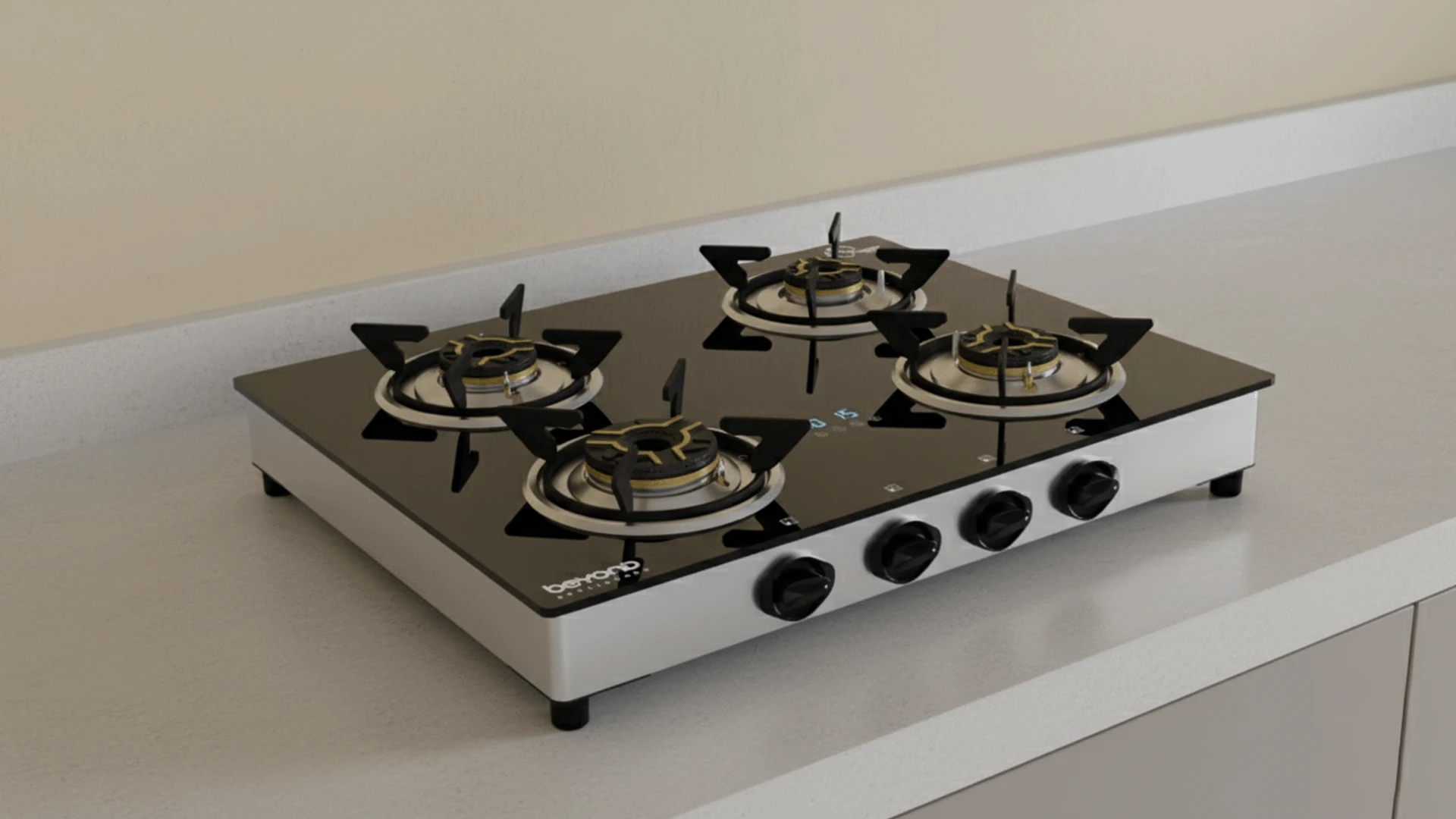
Gas cooktops feature robust construction with materials designed to withstand high temperatures and frequent use. Cast iron grates provide excellent heat retention and durability, while stainless steel grates offer easier cleaning and corrosion resistance. The cooktop surface typically uses enamel coating over steel or stainless steel construction for enhanced durability and aesthetic appeal.
Electric cooktops utilize different surface materials depending on the heating element type. Smooth glass-ceramic surfaces provide sleek aesthetics and easy cleaning, while traditional coil burners use chrome-plated steel construction. Solid disk elements feature cast iron construction with enamel coating for even heat distribution and long-lasting performance.
Induction cooktops use specialized glass-ceramic surfaces designed to withstand electromagnetic heating technology. These surfaces often incorporate scratch-resistant innovations and heat-resistant glass compositions. The electromagnetic coils beneath the surface use copper wire construction for efficient energy transfer and precise temperature control.
When comparing gas and electric cooktop materials, several performance factors distinguish these technologies. Material efficiency directly impacts cooking results, energy consumption, and user experience. Understanding these differences helps determine which option best suits your cooking needs and kitchen setup.
Gas cooktop materials excel in immediate heat response, with flame providing instant temperature adjustments. Electric cooktop materials, particularly glass-ceramic surfaces, offer more even heat distribution but slower temperature changes. Induction materials provide the fastest heating with 90% energy efficiency, making them superior for quick cooking tasks.
Different cooktop materials present varying safety profiles. Gas cooktop surfaces remain relatively cool except around burner areas, while electric coil elements retain heat longer after use. Glass-ceramic surfaces on electric and induction cooktops can appear cool while still hot, requiring careful attention during and after cooking.
Material choices affect installation requirements significantly. Gas cooktops need proper ventilation due to combustion byproducts, while electric units require adequate electrical capacity. Induction cooktops demand specific electrical requirements and compatible cookware materials for proper operation.
Selecting the best cooktop surface requires understanding each material's advantages and limitations. Different materials suit various cooking styles, maintenance preferences, and budget considerations. This detailed analysis helps identify which surface material aligns with your specific needs.
Stainless steel surfaces offer professional-grade durability and timeless aesthetics. These surfaces resist scratching, staining, and corrosion while maintaining their appearance over years of use. However, they require specific cleaning techniques to prevent water spots and fingerprint marks. • Superior scratch and heat resistance • Non-reactive with acidic foods • Professional kitchen appearance • Long-lasting durability • Higher maintenance for spotless appearance • Shows fingerprints and water marks • Premium pricing compared to other materials
Glass-ceramic surfaces provide sleek, modern aesthetics with smooth cleaning capabilities. These materials offer excellent heat distribution and come in various colors to match kitchen designs. The smooth surface makes spill cleanup easier when the cooktop is cool. • Smooth, easy-to-clean surface • Even heat distribution • Modern, sleek appearance • Available in multiple colors • Susceptible to scratching from rough cookware • Can crack from thermal shock • Shows every spill and smudge • Expensive to replace if damaged
Traditional cast iron and enamel surfaces provide excellent heat retention and durability. These materials offer authentic cooking experiences with superior heat distribution. Proper maintenance ensures decades of reliable performance at affordable replacement costs. • Excellent heat retention and distribution • Durable construction • Traditional cooking experience • Lower replacement costs • Requires regular maintenance • Heavier construction • Can rust without proper care • More challenging to clean thoroughly
Induction technology represents the latest advancement in cooktop materials and performance. Understanding induction cooktop pros and cons helps determine whether this technology suits your cooking style and kitchen requirements. The unique material properties offer distinct advantages while presenting specific limitations.
Induction cooktop materials provide unmatched energy efficiency and safety features. The glass-ceramic surface remains cool during cooking, reducing burn risks and making cleanup easier. Precise temperature control allows for delicate cooking techniques previously difficult to achieve.
Induction cooktops require magnetic cookware materials like stainless steel or cast iron. Aluminum, copper, and glass cookware won't work unless they have magnetic bases. This requirement may necessitate cookware replacement, adding to the initial investment cost.
Despite superior performance, induction materials present certain limitations. Higher upfront costs and specific cookware requirements can deter some buyers. Additionally, electromagnetic fields may interfere with certain medical devices, requiring careful consideration for affected individuals.
Maintenance requirements vary significantly among cooktop materials. Easy to clean cooktops save time and effort while maintaining optimal performance and appearance. Understanding daily and long-term maintenance needs helps choose materials that fit your lifestyle and cleaning preferences.
Glass-ceramic surfaces require specialized cleaners and soft cloths to prevent scratching. Stainless steel surfaces need streak-free cleaning products and proper wiping techniques. Cast iron and enamel surfaces benefit from immediate spill cleanup and regular seasoning maintenance.
Durable cooktop materials require different long-term care strategies. Glass surfaces need protection from heavy impacts and thermal shock. Stainless steel maintains its appearance with proper cleaning products and techniques. Cast iron requires periodic re-seasoning and rust prevention measures.
Material performance under heavy use varies considerably. Stainless steel offers the best stain resistance, while glass-ceramic surfaces show stains more readily but clean easily when cool. Cast iron and enamel surfaces resist staining but may show wear patterns over time.
Healthy cooking surfaces contribute to food safety and nutritional quality. Material composition affects food flavor, safety, and cooking results. Understanding these factors helps choose surfaces that support healthy cooking practices and food preparation.
Modern cooktop materials undergo rigorous safety testing to ensure food-safe operation. Stainless steel and glass-ceramic surfaces resist chemical leaching and maintain stability at high temperatures. Proper material selection eliminates concerns about harmful substance migration into food.
Smooth surfaces like glass-ceramic and stainless steel resist bacterial growth and allow thorough cleaning. Non-porous materials prevent bacteria accumulation in surface cracks or crevices. Regular cleaning maintains hygienic conditions regardless of material type.
Non-reactive materials like stainless steel and glass-ceramic preserve food flavors without metallic taste transfer. Even heat distribution helps retain nutrients through proper cooking temperatures. Material choice indirectly affects cooking quality and nutritional outcomes.
Selecting the ideal cooktop material requires balancing performance, budget, and lifestyle factors. This comprehensive cooktop buying guide framework helps evaluate options systematically. Consider both immediate needs and long-term satisfaction when making your final decision.
Initial purchase prices vary significantly among materials and technologies. Gas cooktops typically offer lower upfront costs, while induction units command premium pricing. Factor in long-term operating costs, maintenance expenses, and potential cookware replacement when calculating total ownership costs.
Cooking frequency and style preferences influence material selection significantly. Heavy cooking benefits from durable materials like stainless steel or cast iron. Family safety considerations may favor induction technology's cool surface operation. Aesthetic preferences should align with overall kitchen design themes.
Consider technology advancement trends and energy efficiency improvements when selecting materials. Induction technology continues advancing with improved features and lower costs. Energy-efficient materials may provide long-term savings and environmental benefits worth the initial investment.
Stainless steel provides the best long-term durability with proper maintenance. Cast iron also offers excellent longevity but requires more care to prevent rust. Glass-ceramic surfaces are durable but can crack from impact or thermal shock.
Glass-ceramic surfaces are easiest to clean when cool, requiring only a damp cloth for most spills. Stainless steel cleans well but shows water spots and fingerprints more readily. Proper cleaning techniques maintain any material's appearance effectively.
Induction cooktops with glass-ceramic surfaces offer the highest safety level since the surface stays cool during cooking. Gas cooktops provide visible flame indication but require ventilation. Electric coil elements retain heat longest after use.
Gas cooktops typically cost less initially, ranging from INR 15,000 to INR 50,000. Electric units range from INR 20,000 to INR 60,000. Induction cooktops start around INR 25,000 and can exceed INR 80,000 for premium models.
Stainless steel surfaces with gas burners remain popular in professional kitchens for durability and heat control. Induction technology gains popularity for its efficiency and precise temperature control. Material choice depends on specific cooking techniques and volume requirements.
Choosing the right cooktop material significantly impacts your cooking experience, maintenance requirements, and long-term satisfaction. Stainless steel offers professional durability, glass-ceramic provides modern aesthetics with easy cleaning, and traditional materials like cast iron deliver authentic cooking experiences. Induction technology represents the future of cooking with superior efficiency and safety features. Consider your cooking style, budget, maintenance preferences, and safety requirements when making your final decision. The best cooktop material balances performance, durability, and lifestyle needs while providing years of reliable service in your kitchen.
