
How to Choose: Ductless Chimney vs Ducted Range Hoods
Cart
Your cart is empty
Choosing between a ductless chimney vs ducted range hood can feel overwhelming when planning your kitchen ventilation system. Both options serve the same basic purpose of removing smoke, grease, and odors from your cooking space, but they work in fundamentally different ways. Understanding these differences is crucial for making the right choice for your home, cooking habits, and budget. The decision impacts not just your kitchen's performance but also your indoor air quality, installation costs, and long-term maintenance requirements.
Kitchen ventilation plays a vital role in maintaining a healthy cooking environment. The right system removes harmful pollutants, controls moisture levels, and keeps your kitchen comfortable during meal preparation.
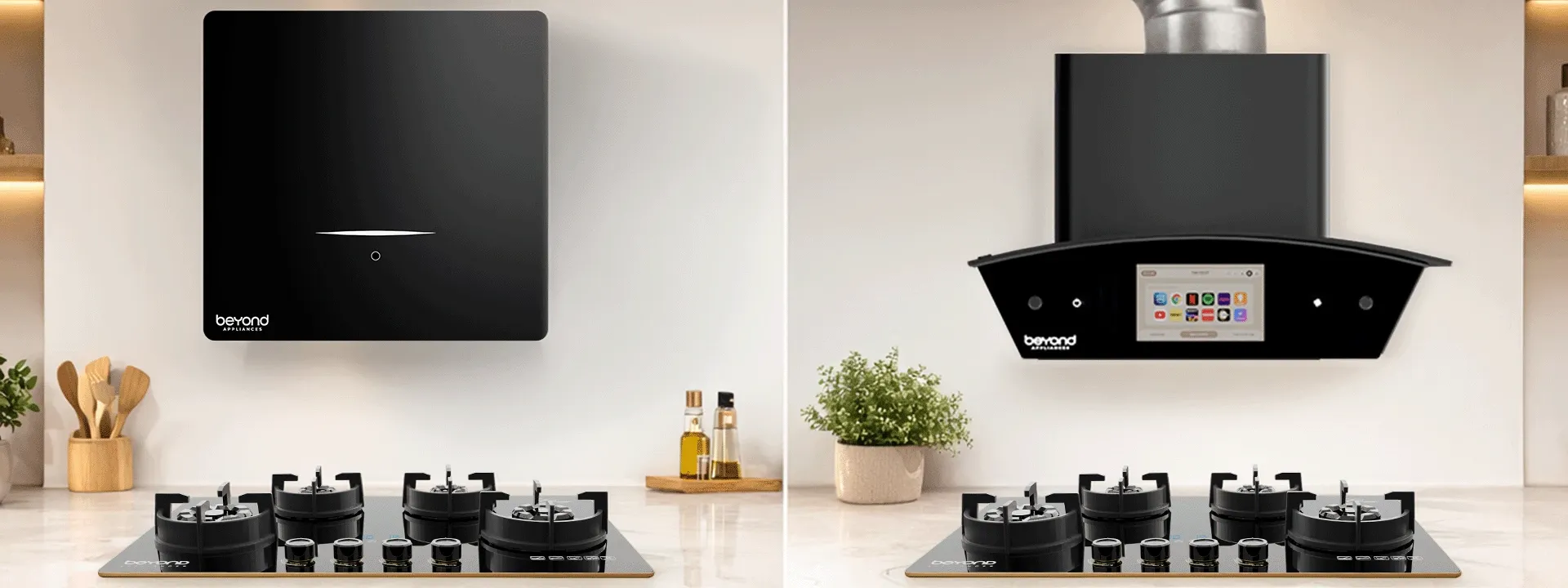
A ducted range hood connects to external ductwork that channels air directly outside your home. This system physically removes contaminated air from your kitchen through pipes or ducts that lead to an exterior wall or roof vent. The ducted system requires proper installation with adequate ductwork routing and external venting points.
A ductless chimney operates through recirculation technology, filtering air through charcoal and grease filters before returning it to your kitchen. This self-contained system doesn't require external venting or complex ductwork installation. The filtered air cycles back into your cooking space after contaminants are captured.
Proper ventilation removes cooking byproducts that can harm your health and home. Smoke particles, grease vapors, and cooking odors contain pollutants that affect indoor air quality. Effective ventilation also controls moisture buildup that can lead to mold growth and structural damage over time.
Performance differences between these systems significantly impact their effectiveness in real cooking situations. Understanding these variations helps you choose the right solution for your specific needs.
Ducted range hoods typically offer superior suction power, measured in cubic feet per minute (CFM). Most ducted systems provide 300-1200 CFM capacity, while ductless models usually range from 200-400 CFM. This difference affects how quickly and completely your system removes cooking pollutants.
Ducted systems excel at complete odor removal since they expel contaminated air outside. Ductless chimneys rely on charcoal filters to absorb odors, which can become less effective over time. Grease removal also favors ducted systems, as they physically remove grease-laden air rather than filtering and recirculating it.
Large kitchens with heavy cooking activities benefit more from ducted systems due to their higher air movement capacity. Small kitchens or those with light cooking may find ductless options adequate for their ventilation needs.
Installation complexity varies dramatically between these two ventilation approaches. Your home's structure and your renovation budget often determine which option works best.
Installing a ducted system requires access to external walls or roof areas for venting. Professional installation typically costs INR 5,000-15,000 depending on ductwork complexity. Structural modifications may be necessary, especially in apartments or homes without existing ductwork.
Ductless installation offers significant flexibility since no external venting is required. Most homeowners can complete installation themselves, saving professional installation costs. This makes ductless systems ideal for rental properties or situations where structural modifications aren't possible.
Both systems offer various design options to complement modern kitchen aesthetics. Ductless models provide more placement flexibility since they don't require specific routing to external vents. This freedom allows better integration with kitchen islands, peninsulas, or unique layouts.
Understanding the total cost of ownership helps you make an informed financial decision. Both initial and ongoing expenses factor into the overall investment.
Ductless chimneys typically cost INR 8,000-25,000 for the unit, while ducted range hoods range from INR 12,000-40,000. Installation costs favor ductless systems, often requiring only basic mounting hardware. Ducted installation can add INR 5,000-20,000 depending on ductwork requirements.
Ductless systems require regular filter replacements every 3-6 months, costing INR 500-2,000 annually. Ducted systems have minimal ongoing costs but may require occasional ductwork cleaning. Energy consumption is generally similar between both systems.
Ducted systems often provide better long-term value due to superior performance and no recurring filter costs. However, ductless systems offer faster payback periods due to lower initial investment and installation costs.
Weighing the advantages and disadvantages of each system helps clarify which option suits your specific situation. Consider your cooking habits, home structure, and budget constraints.
Pros:
Superior suction power for heavy cooking
Complete air removal without recirculation
No ongoing filter replacement costs
Better performance for large kitchens
More effective grease and odor elimination
Cons:
Complex installation requiring professional help
Structural modifications often necessary
Higher upfront installation costs
Limited placement options due to ductwork
Not suitable for all home types
Pros:
Easy installation without structural changes
Flexible placement anywhere in kitchen
Lower initial investment and installation costs
Perfect for apartments and rental properties
No external venting requirements
Cons:
Regular filter replacement expenses
Lower suction power than ducted systems
Air recirculation instead of removal
Less effective for heavy cooking
Ongoing maintenance requirements
Choosing the right ventilation system depends on your specific circumstances and priorities. Consider these factors to determine which option serves your needs best.
Ducted range hoods work best for households with heavy cooking activities, especially those involving frying, grilling, or spice-heavy cuisines. New construction or major renovation projects provide ideal opportunities for ducted installation. Homes with existing external venting access make ducted systems more practical and cost-effective.
Ductless chimneys suit rental properties where permanent modifications aren't allowed. Apartments or condos without external venting access benefit from ductless flexibility. Budget-conscious buyers appreciate lower upfront costs, while light to moderate cooking households find ductless performance adequate.
Convertible range hoods offer both ducted and ductless operation modes, providing flexibility for changing circumstances. Downdraft ventilation systems work well for kitchen islands where traditional overhead installation isn't practical. These alternatives bridge the gap between pure ducted and ductless solutions.
Ducted systems provide superior performance for heavy cooking and large kitchens, while ductless options offer installation flexibility and lower costs. Choose ducted for maximum effectiveness or ductless for convenience and budget considerations.
Ductless chimneys have lower suction power, require regular filter replacements, and recirculate rather than remove contaminated air. They're less effective for heavy cooking and generate ongoing maintenance costs.
Ducted systems excel in performance and long-term value, while ductless models win on installation ease and upfront costs. Your choice depends on cooking habits, home structure, and budget priorities.
Ductless chimneys offer easy installation, placement flexibility, lower initial costs, and suitability for apartments. They require no structural modifications and work well for light to moderate cooking needs.
Charcoal filters typically need replacement every 3-6 months, depending on cooking frequency and intensity. Heavy cooking may require more frequent changes, while light use extends filter life.
Many convertible models support both modes, but conversion requires proper ductwork installation and external venting. Professional consultation ensures proper setup and optimal performance.
The ductless chimney vs ducted decision ultimately depends on your specific situation, cooking habits, and home structure. Ducted systems provide superior performance for serious cooks and large kitchens, while ductless options offer practical solutions for apartments, rentals, and budget-conscious buyers. Consider your long-term needs, installation constraints, and maintenance preferences when making this important kitchen investment. Both systems can effectively improve your indoor air quality and cooking experience when properly selected and maintained.
