

How Kitchen Fumes Affect Health: A Guide to Risks
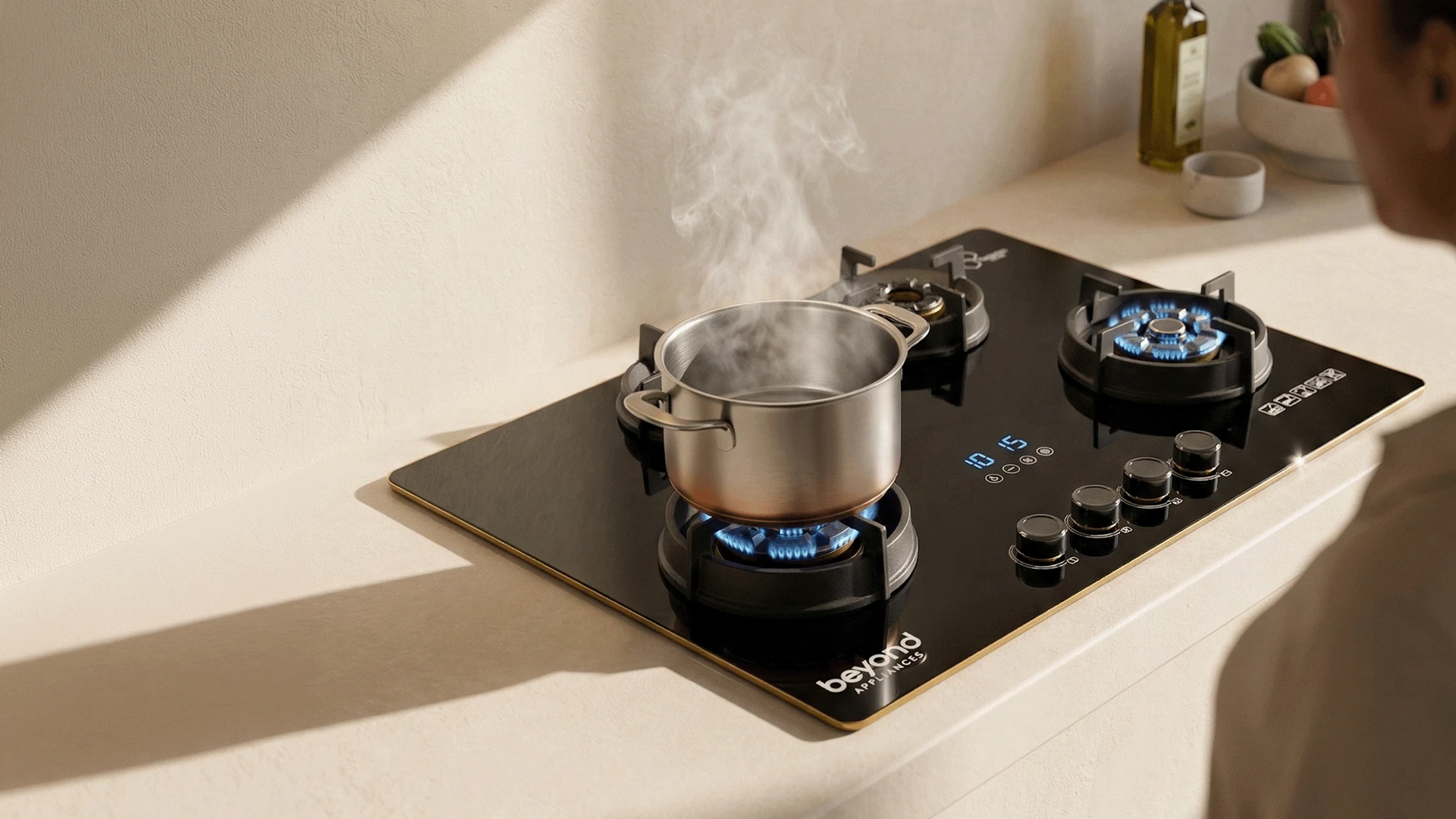
Kitchen fumes pose serious health risks that many homeowners overlook. Every time you cook, especially with high-heat methods like frying or grilling, your kitchen releases a complex mixture of particles and chemicals into the air. These cooking fumes contain harmful substances that can irritate your respiratory system, trigger asthma attacks, and contribute to long-term health problems. Understanding how kitchen fumes affect health helps you make informed decisions about ventilation and cooking practices. Poor kitchen air quality doesn't just stay in your cooking area—it spreads throughout your home, affecting your family's well-being. With proper knowledge and the right equipment, you can significantly reduce these health risks while still enjoying your favorite cooking methods.
Kitchen fumes contain harmful particles and chemicals that cause immediate respiratory irritation and long-term health problems including lung damage and cardiovascular disease
Proper ventilation systems with adequate suction power (1400+ CMH) effectively remove cooking fumes before they spread throughout your home
Simple prevention strategies like using lower cooking temperatures, proper oil selection, and maintaining exhaust systems can dramatically improve kitchen air quality
Kitchen fumes consist of tiny particles, gases, and chemical compounds released during cooking processes. When oils heat beyond their smoke point, they break down and release volatile organic compounds (VOCs) into the air. Gas stoves produce nitrogen dioxide and carbon monoxide, while high-temperature cooking methods generate ultrafine particles smaller than 0.1 micrometers.
Deep frying produces the highest concentration of harmful particles, followed by grilling and stir-frying. Oil type matters significantly—refined oils with higher smoke points create fewer toxic compounds than unrefined oils when heated. Gas burners contribute additional pollutants through incomplete combustion, making proper ventilation even more critical.
Without adequate ventilation, cooking fumes can remain airborne for hours and travel to other rooms through air currents. Ultrafine particles penetrate deep into lungs and can even enter the bloodstream. The concentration of these particles often exceeds outdoor air pollution levels, making your kitchen potentially more toxic than city streets during peak cooking times.
Exposure to cooking fumes triggers both immediate symptoms and contributes to serious long-term health conditions. The severity depends on exposure duration, ventilation quality, and individual sensitivity levels.
Common immediate symptoms include eye watering, throat irritation, coughing, and headaches. People with asthma often experience triggered attacks within minutes of exposure to cooking fumes. These symptoms indicate your respiratory system is already working overtime to filter out harmful particles.
Regular exposure to cooking fumes increases your risk of developing chronic obstructive pulmonary disease (COPD), lung cancer, and cardiovascular problems. Studies show that people who cook frequently without proper ventilation have significantly higher rates of respiratory diseases. Children exposed to cooking fumes during development may experience reduced lung function that persists into adulthood.
Professional cooks and people who spend significant time in kitchens face elevated health risks. Children, elderly individuals, and those with existing respiratory conditions are particularly vulnerable. Pregnant women should be especially cautious, as cooking fume exposure may affect fetal development.
Cooking smoke contains particles small enough to bypass your body's natural filtration systems and penetrate deep into lung tissue. These ultrafine particles trigger inflammatory responses that damage delicate air sacs and reduce oxygen exchange efficiency.
PM2.5 particles from cooking are approximately 30 times smaller than the width of human hair, allowing them to reach the deepest parts of your lungs. Once there, they can cause scarring and permanent damage to lung tissue. Your body's natural cleaning mechanisms cannot effectively remove these particles once they're embedded in lung tissue.
Repeated exposure to cooking fumes causes chronic inflammation in your airways. This inflammation reduces lung capacity over time and makes you more susceptible to respiratory infections. The oxidative stress from these particles also damages DNA in lung cells, potentially leading to cancerous changes.
Different cooking methods release specific harmful chemicals that pose unique health risks. Understanding these compounds helps you make safer cooking choices and emphasizes the importance of proper ventilation.
Polycyclic aromatic hydrocarbons (PAHs) form when organic matter burns or chars, particularly during grilling. Aldehydes like formaldehyde and acrolein are released when oils overheat. Gas stoves produce nitrogen dioxide levels that often exceed outdoor air quality standards, especially in poorly ventilated spaces.
High-temperature frying creates the most toxic fume combinations, while steaming and boiling produce minimal harmful emissions. Charring and grilling generate carcinogenic compounds that increase cancer risk with regular exposure. Even seemingly safe cooking methods can become problematic without adequate ventilation to remove accumulated particles.
Effective ventilation systems are your primary defense against cooking fume health risks. Proper exhaust systems remove harmful particles before they can spread throughout your home or accumulate to dangerous levels.
For Indian cooking, which generates more fumes due to high oil and spice usage, ventilation systems with at least 1400 CMH (cubic meters per hour) suction capacity are recommended. Beyond Appliances offers models like the Orion with 1600 CMH suction and Eris with 1500 CMH capacity, specifically designed to handle these demanding conditions. Their Plug 'N' Play models also offer the benefit of no-ducting installation, simplifying setup.
Modern chimney systems use multiple filtration stages to capture different types of pollutants. Beyond Appliances' chimneys often feature a combination of baffle filters for grease particles and activated carbon filters that absorb cooking odors and chemical compounds. This multi-stage approach, powered by Android-based screens and auto-clean technology, ensures comprehensive fume removal and addresses fume problems effectively with 3D suction technology.
Beyond installing proper ventilation, several cooking and maintenance practices can significantly reduce your exposure to harmful kitchen fumes.
Use lower cooking temperatures when possible and avoid overheating oils past their smoke points. Choose oils with higher smoke points for high-heat cooking. Turn on exhaust systems before you start cooking and leave them running for 15-20 minutes after finishing to clear residual particles.
Clean exhaust filters regularly to maintain optimal suction performance. Consider air purifiers with HEPA filtration for additional particle removal. Open windows when weather permits to increase natural ventilation and dilute indoor air pollutants.
When you breathe in cooking fumes, you can experience immediate symptoms like eye watering, throat irritation, coughing, and headaches. For individuals with asthma, it can trigger attacks. Long-term exposure can lead to serious health issues such as chronic obstructive pulmonary disease (COPD), lung cancer, and cardiovascular problems due to the carcinogenic compounds and ultrafine particles inhaled.
If you frequently experience respiratory irritation, persistent coughing, headaches, or eye discomfort while cooking or shortly after, especially without adequate ventilation, it's a strong indicator that kitchen fumes are affecting your health. Worsening asthma symptoms or developing new respiratory issues after spending time in the kitchen also points to this problem.
Indian cooking typically requires 1400+ CMH suction capacity due to high oil content and spice usage. Beyond Appliances designs their chimneys specifically for these cooking loads, with models like the Orion offering 1600 CMH for comprehensive fume removal and Eris offering 1500 CMH.
No, air purifiers cannot replace proper kitchen ventilation. While they help with general air quality, only dedicated exhaust systems can effectively capture cooking fumes at their source before they spread throughout your home.
Yes, gas stoves produce additional pollutants including nitrogen dioxide and carbon monoxide through combustion, making proper ventilation even more critical than with electric cooking surfaces.
Kitchen fumes pose serious health risks that extend far beyond temporary discomfort. The combination of ultrafine particles, toxic chemicals, and inadequate ventilation creates indoor air pollution levels that often exceed outdoor standards. Protecting your family's health requires both understanding these risks and taking proactive steps to minimize exposure. Investing in proper ventilation systems with adequate suction power, such as those offered by Beyond Appliances with their comprehensive warranty and extensive service network of 20,000 locations, is crucial. Maintaining equipment regularly and adopting safer cooking practices can dramatically reduce your exposure to harmful cooking fumes. Remember that the effects of poor kitchen air quality are cumulative—the sooner you address ventilation issues, the better you can protect your long-term respiratory health.
