
How Kitchen Chimneys Work: Complete Ventilation Guide
Cart
Your cart is empty
Modern kitchens face a constant battle against smoke, grease, and cooking odors. Without proper ventilation, these unwanted elements can transform your cooking space into an uncomfortable environment. Kitchen chimneys have emerged as the most effective solution for maintaining clean, healthy air quality while cooking. Understanding how does a kitchen chimney work helps homeowners make informed decisions about their kitchen ventilation needs. This comprehensive guide explores the science behind chimney operations, different types available, and essential maintenance practices that ensure optimal performance for years to come.
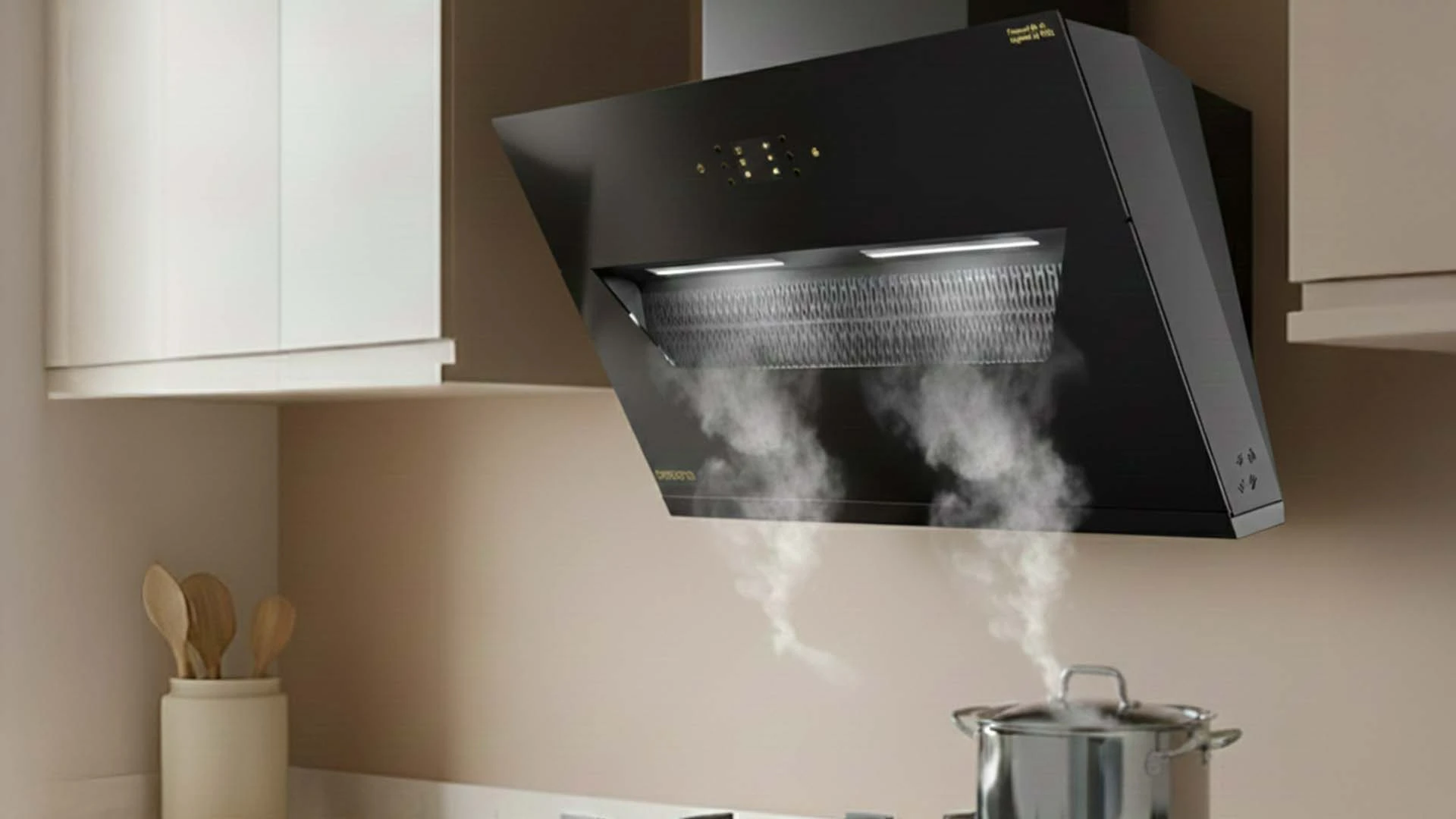
The kitchen chimney function operates on a simple yet effective principle of forced air circulation. When you turn on your chimney, an internal motor powers a centrifugal fan that creates suction force above your cooking area. This suction draws smoke, steam, grease particles, and odors upward through strategically positioned filters. The process begins when hot air and cooking vapors naturally rise from your stovetop. The chimney's motor amplifies this natural tendency by creating negative pressure that pulls contaminated air through multiple filtration stages. Smoke extraction methods vary between chimney types, but all follow this fundamental airflow principle.
First, the motor activates and spins the blower fan at speeds ranging from 800 to 1400 RPM. This creates immediate suction that captures rising vapors before they spread throughout your kitchen. The contaminated air then passes through primary filters that trap grease and larger particles.
Unlike natural ventilation that relies solely on hot air rising, kitchen chimneys use mechanical force to ensure complete air removal. The suction capacity, measured in cubic meters per hour (m³/hr), determines how effectively your chimney handles cooking emissions. Most residential chimneys offer suction rates between 400 to 1200 m³/hr.
The chimney working principle relies on several interconnected components working in harmony. Understanding these mechanisms helps you appreciate why proper installation and maintenance are crucial for optimal performance. The motor serves as the heart of any kitchen exhaust system. Most residential chimneys use motors ranging from 100 to 200 watts, providing sufficient power for effective ventilation without excessive energy consumption. The motor drives a centrifugal blower that creates the necessary airflow for smoke extraction.
Baffle filters represent the most advanced filtration technology available today. These stainless steel filters use curved panels that change airflow direction multiple times, separating grease particles through centrifugal force. Unlike traditional cassette filters, baffle filters require minimal maintenance and offer superior grease removal efficiency.
Modern chimneys feature multiple speed settings that allow you to adjust suction power based on cooking intensity. Touch controls and LED displays provide user-friendly operation, while some models include automatic sensors that detect smoke levels and adjust fan speed accordingly.
Selecting the appropriate chimney type depends on your kitchen layout, cooking habits, and installation possibilities. Types of kitchen chimneys fall into two main categories: ducted and ductless systems, each offering distinct advantages for different situations. Ducted chimneys, also called exhaust chimneys, remove contaminated air completely from your kitchen through external ducting. These systems provide superior air quality improvement but require proper ventilation pathways to the outside. Ductless or recirculating chimneys filter air through charcoal filters before returning it to the kitchen.
Wall-mounted chimneys attach directly to the wall above your cooking range, making them suitable for most kitchen layouts. Island chimneys suspend from the ceiling above kitchen islands, requiring robust mounting systems and careful positioning for optimal performance.
Chimney width should exceed your cooktop width by at least 6 inches on each side for effective capture. Standard sizes include 60cm chimneys for 2-3 burner stoves and 90cm models for 4-5 burner cooking surfaces. Suction capacity should match your cooking intensity, with 400-600 m³/hr suitable for light cooking and 800-1200 m³/hr for heavy, oil-based cooking.
Investing in quality kitchen ventilation delivers numerous kitchen ventilation benefits that extend far beyond simple smoke removal. Proper air circulation creates a healthier cooking environment while protecting your kitchen surfaces and appliances from damage. Healthy kitchen air quality becomes especially important for families with respiratory sensitivities or allergies. Cooking generates fine particulate matter that can aggravate breathing conditions. Effective ventilation removes these particles before they circulate throughout your home.
Odor removal in kitchen spaces prevents cooking smells from permeating furniture, curtains, and clothing. Grease vapor elimination protects kitchen cabinets, walls, and ceilings from sticky residue that attracts dust and becomes difficult to clean over time.
Proper ventilation reduces the load on your air conditioning system by removing hot air generated during cooking. This leads to lower cooling costs, especially during summer months when cooking can significantly increase indoor temperatures.
Successful chimney installation guide implementation requires careful planning and attention to safety standards. Proper installation ensures maximum efficiency while preventing potential hazards associated with electrical and ventilation work. Height positioning follows industry standards for optimal performance. Install your chimney 24-30 inches above gas cooktops and 18-24 inches above electric or induction surfaces. This positioning maximizes capture efficiency while providing adequate clearance for cooking activities.
Most kitchen chimneys require dedicated electrical connections with proper grounding. Ensure your electrical system can handle the motor's power requirements, typically 100-200 watts for residential models. Professional installation includes proper circuit protection and compliance with local electrical codes.
Ducted chimney installation requires creating ventilation pathways to building exteriors. Ductwork should be as straight as possible with minimal bends to maintain airflow efficiency. Use appropriate duct materials and sizes recommended by the manufacturer for optimal performance.
Regular maintenance keeps your chimney operating at peak efficiency while extending its lifespan. Following proper chimney maintenance tips prevents common problems and ensures consistent performance throughout years of use. Clean baffle filters monthly using warm water and mild detergent. These filters can be safely washed in dishwashers, making maintenance convenient for busy households. Replace charcoal filters in ductless models every 3-6 months, depending on cooking frequency and intensity.
Many modern chimneys feature auto-clean functions that use heat and steam to remove grease buildup from internal components. This technology reduces manual cleaning requirements while maintaining optimal suction performance. Auto-clean cycles typically consume 15-25% more electricity but significantly reduce maintenance effort.
Schedule professional servicing annually to inspect motor performance, electrical connections, and overall system integrity. Professional technicians can identify potential issues before they become costly repairs, ensuring reliable operation and safety compliance.
Yes, kitchen chimneys require electricity to power the motor and blower fan. Most residential models consume 100-200 watts during operation, similar to a bright light bulb. Auto-clean functions may increase consumption by 15-25% during cleaning cycles.
Chimney width should be 6 inches wider than your cooktop on each side. Choose 60cm chimneys for 2-3 burner stoves and 90cm models for 4-5 burner ranges. Suction capacity should range from 400-600 m³/hr for light cooking to 800-1200 m³/hr for heavy, oil-based cooking.
Clean baffle filters monthly with warm soapy water or in a dishwasher. Replace charcoal filters in ductless models every 3-6 months. Use auto-clean functions weekly if available, and schedule professional servicing annually for optimal performance.
Yes, ductless or recirculating chimneys filter air through charcoal filters before returning it to the kitchen. While these systems don't remove air completely, they effectively reduce odors and some grease particles, making them suitable for apartments or homes without external ventilation options.
Initial costs range from INR 15,000 to 80,000 depending on features and quality. Ongoing electricity consumption, filter replacement costs, and regular maintenance requirements add to ownership expenses. Some models generate noise during operation, and installation may require kitchen modifications.
Effective chimneys capture smoke and steam immediately above the cooking surface without allowing spread throughout the kitchen. You should notice reduced cooking odors, minimal grease buildup on nearby surfaces, and improved air quality during and after cooking.
Kitchen chimneys work through forced air circulation that captures and removes cooking emissions before they spread throughout your home. Understanding the basic principles helps you choose the right system for your needs and maintain it properly for optimal performance. Whether you select a ducted or ductless model, proper installation and regular maintenance ensure years of effective ventilation. The investment in quality kitchen ventilation pays dividends through improved air quality, reduced cleaning requirements, and a more comfortable cooking environment for your family.
