

How Chimneys Prevent Kitchen Grease Buildup Fast
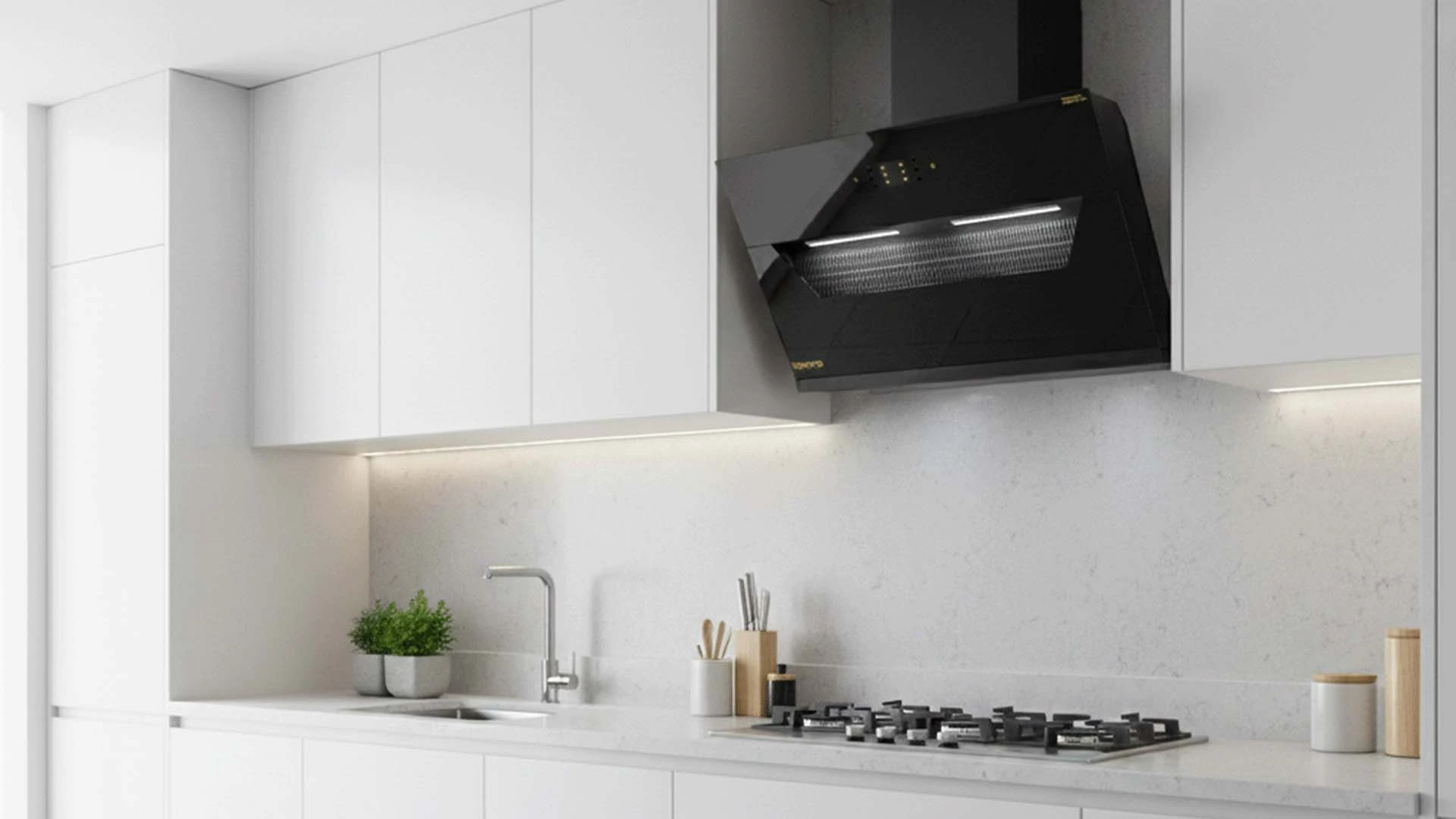
Cooking delicious meals shouldn't come at the cost of a greasy, unhealthy kitchen environment. Every time you fire up your stove, invisible grease particles escape into the air, settling on surfaces and creating a sticky film that's both unsightly and potentially harmful to your family's health. The good news? A properly functioning chimney system can dramatically reduce this problem, transforming your cooking space into a cleaner, healthier environment. Understanding how kitchen ventilation works and implementing the right strategies can save you hours of scrubbing while protecting your family's respiratory health.
Kitchen grease accumulation happens faster than most homeowners realize. When you cook, especially at high temperatures, oil molecules become airborne and spread throughout your kitchen. These microscopic particles are so small they remain suspended in the air for hours, eventually settling on every surface including walls, cabinets, and even inside your lungs. Poor air quality kitchen conditions can trigger respiratory issues, especially for family members with asthma or allergies. The sticky residue also attracts dust and bacteria, creating an unhygienic environment that requires constant cleaning. Without proper ventilation, kitchen grease build-up can damage your appliances, discolor paint, and create persistent odors that permeate your entire home. The economic impact extends beyond cleaning supplies. Grease-coated surfaces require specialized cleaners and more frequent maintenance. Your expensive kitchen appliances may suffer reduced efficiency and shorter lifespans when exposed to constant grease accumulation.
The answer is a resounding yes. A well-designed chimney system creates what's known as the chimney effect, which naturally draws air upward and out of your kitchen. This process captures grease particles before they can settle on surfaces throughout your cooking space. The physics behind grease prevention involves creating negative pressure above your cooking surface. As hot air rises, it carries cooking fumes and grease particles with it. A properly positioned chimney intercepts this airflow, channeling contaminated air through filters and out of your home. The key lies in maintaining adequate airflow velocity to capture particles before they escape into your kitchen. Temperature differentials play a crucial role in this process. Hot cooking surfaces create thermal currents that naturally lift grease particles upward. When combined with mechanical ventilation, this natural phenomenon becomes incredibly effective at preventing grease build-up. Modern chimney designs optimize this effect through strategic positioning and powerful extraction capabilities. The result is a dramatic reduction in airborne grease particles, leading to cleaner surfaces and better indoor air quality.
Effective kitchen ventilation requires more than just any old fan. The right system combines proper sizing, strategic placement, and adequate power to handle your cooking style and kitchen layout.
Ducted systems provide superior grease build-up prevention compared to ductless alternatives. They physically remove contaminated air from your home rather than simply filtering and recirculating it. For optimal performance, your range hood should be positioned 24-30 inches above gas cooktops and 20-24 inches above electric surfaces. CFM (cubic feet per minute) ratings determine how much air your system can move. For standard home cooking, aim for 100 CFM per linear foot of cooktop width. Heavy cooking or commercial-style appliances may require 150-200 CFM per foot.
Whole-house ventilation strategies work alongside your chimney system to maintain optimal air quality. Properly sized exhaust fan systems create balanced airflow throughout your home, preventing negative pressure that can interfere with chimney performance. Makeup air considerations become important in tightly sealed homes. Without adequate air replacement, powerful ventilation systems can create backdrafts or reduce efficiency.
Strategic window placement supports your mechanical ventilation system. Cross-ventilation helps remove residual cooking odors and maintains fresh air circulation even when your chimney isn't running.
Preventing grease accumulation starts before you begin cooking. Simple preparation techniques can dramatically reduce the amount of airborne grease your ventilation system needs to handle. Start your chimney system 5-10 minutes before cooking and let it run for 15 minutes after you finish. This ensures complete capture of lingering particles. Use appropriate cooking temperatures – excessive heat creates more grease splatter and airborne particles than necessary. Cover pots and pans when possible, and position them to minimize splatter. Strategic use of splatter screens reduces the amount of grease that becomes airborne while still allowing proper cooking. Regular maintenance of your ventilation system ensures optimal performance. Clean or replace filters monthly during heavy cooking periods. Inspect ductwork annually for grease accumulation that could reduce airflow efficiency. Monitor your kitchen's air quality by observing surfaces near your cooking area. If you notice grease film developing despite regular cleaning, your ventilation system may need adjustment or upgrade.
Recognizing when your current system isn't effectively managing cooking fumes helps you address problems before they become major issues. Persistent cooking odors, visible grease on nearby surfaces, or fogged windows during cooking all indicate inadequate ventilation. Noisy operation often signals dirty filters or obstructed ductwork. Clean filters should allow smooth airflow without excessive resistance. If cleaning doesn't resolve noise issues, professional inspection may reveal ductwork problems or motor wear. Seasonal adjustments help maintain optimal performance year-round. Cold weather can affect natural draft in ducted systems, while hot weather may reduce the temperature differential that drives the chimney effect. Integration with your home's HVAC system requires careful balancing. Oversized ventilation can create negative pressure that interferes with heating and cooling efficiency.
Smart range hood technology automatically adjusts fan speed based on cooking activity and air quality sensors. These systems optimize energy efficiency while ensuring adequate grease capture during peak cooking periods. Heat recovery ventilation captures energy from exhausted air, reducing the cost of conditioning makeup air. This technology makes powerful ventilation systems more economical to operate year-round. Commercial-grade solutions bring restaurant-level performance to home kitchens. These systems handle high-heat cooking and frequent use while maintaining quiet operation suitable for residential environments. UV light and electrostatic precipitation systems provide additional grease capture beyond traditional filtration. These technologies break down grease molecules and capture ultrafine particles that might escape conventional filters.
Consistent maintenance ensures your ventilation system continues providing effective grease build-up prevention for years to come. Establishing regular routines prevents small issues from becoming expensive problems.
Inspect and clean visible surfaces of your chimney system weekly. Wipe down the exterior housing and check that vents aren't obstructed by cooking residue. Remove and clean washable filters according to manufacturer recommendations.
Professional ductwork cleaning every 2-3 years removes accumulated grease that regular filter changes can't address. This service also includes performance testing to ensure your system operates at peak efficiency. Upgrade timing depends on cooking habits and system age. Modern energy-efficient models often pay for themselves through reduced operating costs and improved performance.
Clean washable filters every 2-4 weeks depending on cooking frequency. Replace disposable filters monthly during heavy use periods. Deep clean the entire unit quarterly, including interior surfaces and ductwork connections.
A kitchen chimney typically refers to a complete ventilation system including the hood, filters, and ductwork. An exhaust fan is just the motor component that moves air. Quality chimney systems integrate multiple components for optimal grease capture.
Yes, inadequate ventilation allows grease particles and cooking fumes to accumulate, potentially triggering respiratory issues and allergies. Proper ventilation maintains healthier indoor air quality for your entire family.
Calculate 100 CFM per linear foot of cooktop width for standard cooking. High-heat cooking or commercial-style appliances may require 150-200 CFM per foot. Consult with ventilation professionals for custom recommendations.
Persistent cooking odors, visible grease on surfaces near the stove, fogged windows during cooking, or excessive noise during operation all indicate potential problems requiring attention.
Ductless systems filter and recirculate air rather than removing it completely. While they reduce some grease particles, ducted systems provide superior grease removal by physically exhausting contaminated air outside.
Effective grease prevention requires understanding how kitchen ventilation works and implementing comprehensive strategies beyond just installing any ventilation system. The right chimney system, properly maintained and correctly sized for your cooking habits, can dramatically reduce grease accumulation while improving your family's health and reducing cleaning time. Remember that prevention is always more effective and economical than dealing with extensive grease buildup after it occurs.
