

Essential Chimney Oil Collector Maintenance Guide
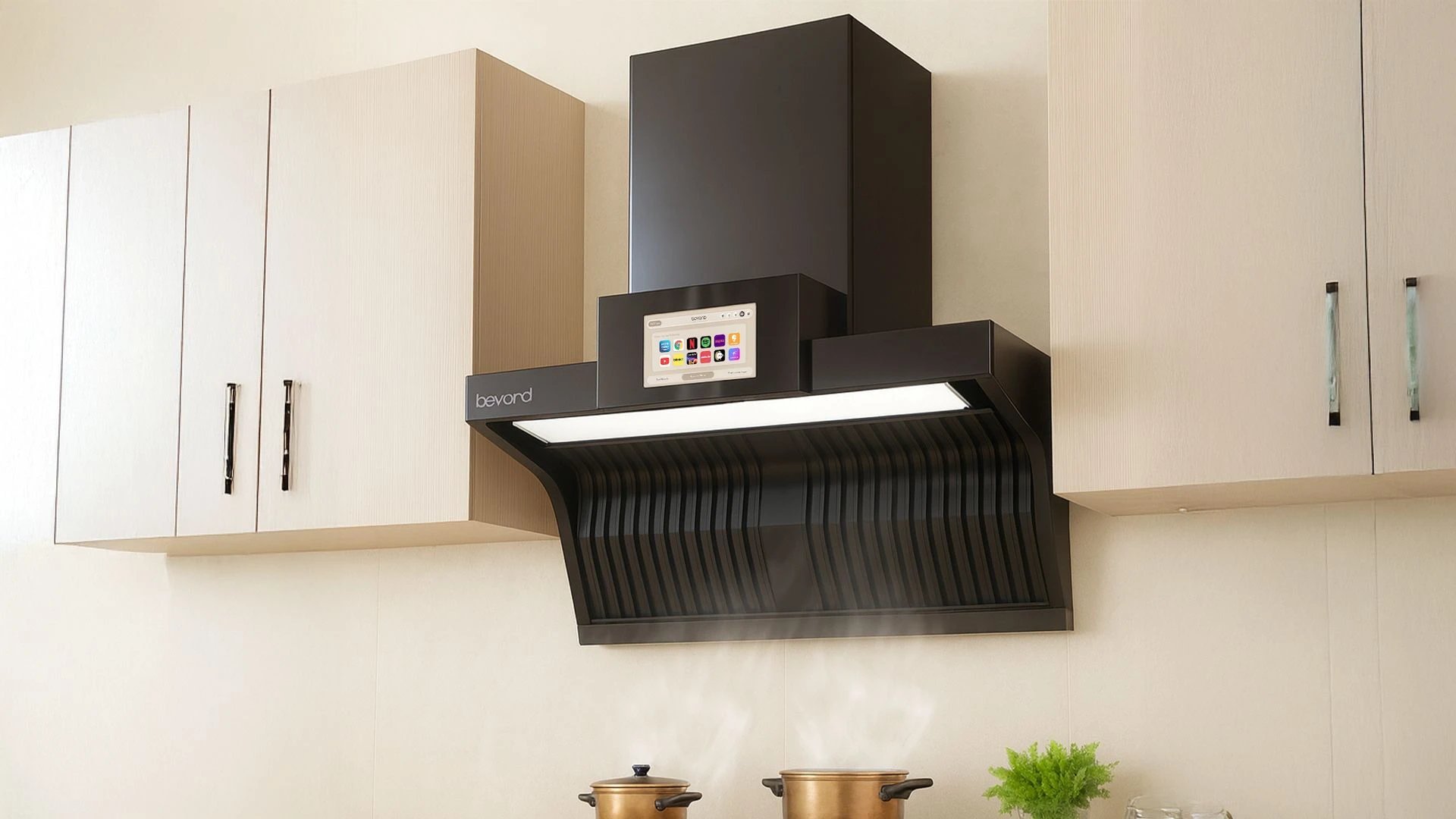
Your kitchen chimney works tirelessly to keep your cooking space clean and healthy, but its oil collector system needs regular attention to perform at its best. Understanding how your chimney filter oil collector works and maintaining it properly can save you thousands in repairs while protecting your family's health. This comprehensive guide covers everything you need to know about keeping your kitchen ventilation system running smoothly, from basic cleaning to troubleshooting common problems.
A chimney oil collector is the heart of your kitchen's grease management system. It captures oil particles and cooking fumes before they can escape into your home or clog your ventilation ducts. The system uses a combination of centrifugal force, gravity separation, and specialized filters to trap grease and oil from cooking vapors.
Your oil filtration system works through a multi-stage process. First, the exhaust fan draws cooking fumes upward at high speed. As the air moves through the collection chamber, heavier oil particles separate from lighter air molecules due to centrifugal force. These particles then condense on specially designed surfaces and drain into collection trays.
Modern kitchen exhaust filter systems include several critical parts. Baffle filters use angled metal plates to change airflow direction multiple times, forcing oil particles to stick to surfaces. Mesh filters trap smaller particles through dense weaving. Collection chambers store separated oil until cleaning, while drainage systems channel waste away from cooking areas.
Traditional range hood filter systems often struggle with heavy Indian cooking styles. Advanced chimney systems handle high-heat cooking better, with stronger suction power and larger collection capacities. They also offer easier maintenance access and more efficient oil separation technology.
Proper cooking fumes removal protects both your health and your home investment. Without effective filtration, oil particles settle on surfaces throughout your kitchen, creating cleaning nightmares and potential fire hazards. A well-maintained system ensures your healthy kitchen environment stays that way.
Poor ventilation leads to indoor air pollution that can trigger respiratory problems. Oil particles in the air create sticky residues that trap dust and bacteria. Effective cooking fumes removal eliminates these health risks while reducing cooking odors that can spread throughout your home.
Grease buildup in ventilation systems causes thousands of kitchen fires annually. A properly functioning grease trap for chimney systems prevents dangerous accumulation. Regular maintenance reduces fire risk by up to 80% compared to neglected systems. Insurance companies often require proof of regular chimney maintenance for coverage.
Oil particles damage kitchen surfaces, cabinets, and appliances over time. Proper filtration protects these investments while maintaining your home's value. Clean ventilation systems also run more efficiently, reducing energy costs and extending equipment life.
Different cooking styles require different filtration approaches. Understanding your options helps you choose the most effective grease trap for chimney applications. Each system type offers unique advantages for specific kitchen configurations and cooking patterns.
Baffle filters excel at handling heavy-duty cooking with high oil content. They use curved metal plates to create turbulent airflow that separates grease particles effectively. These systems work best for frequent frying and traditional Indian cooking methods. Maintenance involves removing filters for dishwasher cleaning every two weeks.
Combination systems use multiple filtration stages for comprehensive air cleaning. Mesh filters capture larger particles while activated charcoal eliminates odors. These systems suit moderate cooking styles and smaller kitchens. Replace charcoal filters every three months and clean mesh filters weekly for optimal performance.
Commercial-grade systems handle much higher grease volumes and operate continuously. Residential systems focus on efficiency and quiet operation. Choose commercial-style systems for large families or frequent entertaining. Standard residential systems work well for typical household cooking patterns.
Regular chimney maintenance prevents costly repairs and ensures optimal performance. Following a structured maintenance schedule keeps your system running efficiently while extending its lifespan. Proper chimney cleaning techniques protect both the equipment and your safety.
Check collection trays for oil buildup and empty when half full. Inspect visible filter surfaces for excessive grease accumulation. Listen for unusual noises during operation that might indicate problems. Wipe down external surfaces with appropriate cleaning solutions to prevent grease buildup.
Remove all filters according to manufacturer instructions. Soak baffle filters in hot, soapy water for 30 minutes before scrubbing. Clean collection chambers thoroughly with degreasing agents. Inspect all seals and gaskets for wear or damage. Check drainage systems for clogs or leaks.
Schedule professional inspections for motor and electrical components. Have ductwork cleaned and inspected for damage. Replace worn parts before they cause system failures. Update any outdated components with modern, more efficient alternatives.
Even well-maintained systems occasionally develop issues. Recognizing problems early prevents minor issues from becoming expensive repairs. Most range hood filter problems have simple solutions when addressed promptly.
Clogged filters cause most suction problems. Remove and clean all filters thoroughly before testing performance. Check for obstructions in ductwork or collection chambers. Verify that the exhaust fan motor operates at full speed without unusual vibrations.
Loose mounting hardware creates vibration and noise issues. Tighten all accessible bolts and screws according to manufacturer specifications. Balance fan blades if accessible, or contact professionals for motor issues. Replace worn mounting isolators that reduce vibration transmission.
Overflowing collection trays indicate inadequate maintenance schedules. Empty trays more frequently during heavy cooking periods. Check drainage connections for clogs or disconnections. Replace damaged seals that allow oil to leak onto kitchen surfaces.
Optimizing your oil filtration system involves both proper maintenance and smart cooking practices. Small adjustments to cooking methods can significantly reduce filter workload while maintaining food quality. Understanding system capabilities helps you use ventilation more effectively.
Start ventilation before heating cooking oil to capture vapors from the beginning. Use appropriate heat levels for different cooking methods to minimize excess smoke production. Cover pans when possible to reduce airborne grease particles. Allow systems to run for several minutes after cooking to clear remaining vapors.
Modern chimneys offer smart features like automatic speed adjustment and filter cleaning reminders. Energy-efficient motors reduce operating costs while providing superior performance. Consider upgrading older systems that struggle with current cooking demands or consume excessive energy.
Regular maintenance costs approximately INR 2,000-5,000 annually but prevents repairs costing INR 15,000-30,000. Energy-efficient operation saves INR 3,000-8,000 yearly on electricity bills. Proper maintenance extends system life from 8-10 years to 15-20 years, representing significant long-term savings.
Clean collection trays weekly during heavy cooking periods and bi-weekly during normal use. Deep clean filters monthly and schedule professional maintenance annually.
Yes, hot soapy water works well for most filters. For heavy grease buildup, use specialized degreasing agents designed for kitchen equipment.
Replace collectors when cleaning no longer restores performance, when structural damage appears, or when parts become unavailable for your model.
Professional maintenance typically costs INR 3,000-8,000 annually, depending on system complexity and local service rates.
While possible, professional installation ensures proper electrical connections, adequate ventilation, and compliance with local building codes.
Maintaining your chimney oil collector system protects your health, safety, and investment. Regular cleaning prevents costly repairs while ensuring optimal performance. Understanding how your system works helps you use it more effectively and recognize problems early. Professional maintenance complements your regular care routine, ensuring long-term reliability and efficiency.
