

Essential Chimney Filter Material Checklist
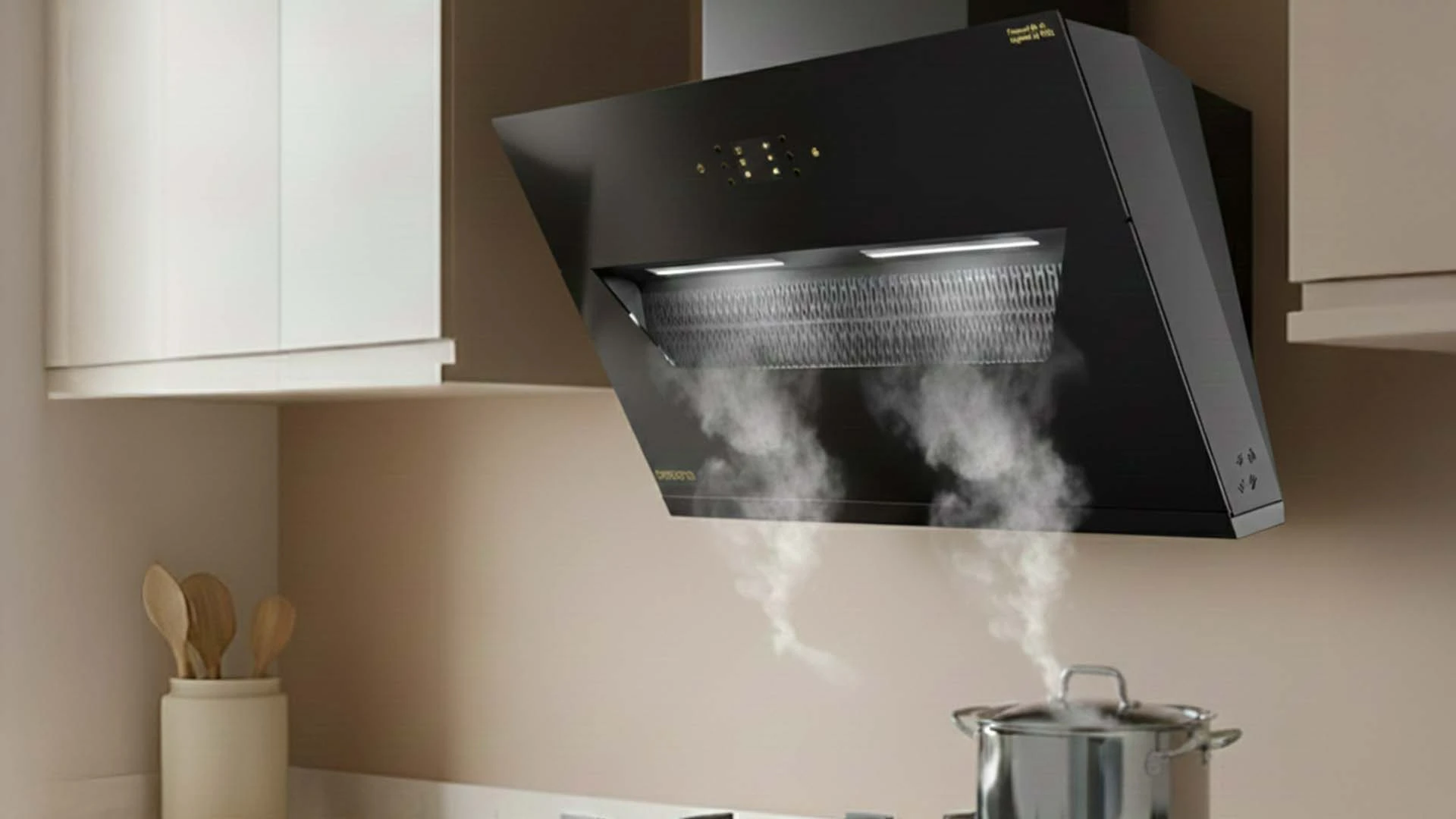
Choosing the right chimney filter material can make or break your kitchen's air quality and cooking experience. With Indian kitchens producing heavy smoke, grease, and strong odors from spice-rich cooking, your filter choice directly impacts performance, maintenance costs, and long-term satisfaction. This comprehensive checklist covers everything you need to know about selecting the best chimney filter material for your specific cooking needs and budget.
Modern kitchen exhaust systems use different filter technologies to tackle grease, smoke, and odors. Each material type offers distinct advantages depending on your cooking style and maintenance preferences.
Baffle filters feature stainless steel or aluminum construction with curved pathways that trap grease effectively. These metal mesh filters work by forcing air through multiple direction changes, separating oil particles from the airstream. Cassette filters use multi-layer mesh design with replaceable components. They offer good initial performance but require regular replacement to maintain efficiency. Activated carbon filters excel at odor control through charcoal technology. These work best as secondary filters combined with primary grease filters. Filterless systems use heat auto-clean technology to collect oil without traditional filters. They require minimal filter replacement but have limitations in odor control.
Heat resistance capabilities determine how well your filter handles high-temperature cooking. Quality filters should withstand temperatures above 200°C without warping or degrading. Grease absorption efficiency varies significantly between materials. Stainless steel baffle filters achieve 85-90% grease capture rates, while basic mesh filters may only reach 60-70%. Durability and longevity affect your total cost of ownership. Premium materials like food-grade stainless steel last years with proper maintenance, while cheaper alternatives need frequent replacement.
Baffle filters represent the gold standard for Indian kitchen ventilation. Their unique design and material composition make them ideal for heavy oil cooking and spice-rich preparations.
Stainless steel advantages include superior corrosion resistance and high-temperature tolerance. Grade 304 stainless steel handles acidic cooking vapors without degrading, making it perfect for Indian cuisine preparation. Aluminum benefits center on lightweight construction and cost-effectiveness. While less durable than stainless steel, quality aluminum filters still outperform basic mesh alternatives. Food-grade material standards ensure safety for kitchen use. Both stainless steel and aluminum meet food safety requirements when properly manufactured. The maze-like structure efficiency of baffle filters comes from their curved pathway design. This forces air through multiple direction changes, allowing gravity to separate grease particles effectively.
Oil and spice handling capacity becomes crucial for Indian kitchens. Baffle filters excel at capturing heavy oil vapors from deep frying and tempering processes. Suction power optimization works better with baffle filters due to their aerodynamic design. They maintain airflow while maximizing grease capture. Long-term durability testing shows stainless steel baffle filters lasting 8-10 years with proper maintenance, compared to 2-3 years for cassette filters.
Understanding the differences between filter types helps you make an informed decision based on your specific cooking needs and maintenance preferences.
Best for heavy oil and spice usage, baffle filters handle the demands of traditional Indian cooking. Their robust construction withstands high heat and acidic vapors. Efficiency rating of 85-90% grease capture makes baffle filters the top choice for serious home cooks. This high performance reduces kitchen odors and maintains air quality. Maintenance involves dishwasher safe cleaning, making upkeep simple and convenient. Monthly cleaning keeps filters performing at peak efficiency. Cost analysis shows higher initial investment but lower replacement costs. Quality baffle filters pay for themselves through longevity and performance.
Ideal usage covers light to moderate cooking scenarios. Cassette filters work well for minimal oil cooking and basic meal preparation. Replacement frequency every 3-6 months creates ongoing costs. This makes cassette filters expensive over time despite lower upfront prices. Cost considerations include both initial purchase and replacement expenses. Calculate 5-year total costs before deciding.
Auto-clean mechanism uses heat-based oil collection to minimize maintenance. The system heats collected oil until it drains into a collection cup. Maintenance requirements include minimal filter replacement but regular oil cup cleaning. This appeals to users who prefer low-maintenance solutions. Performance limitations include reduced odor control compared to carbon filter systems. Filterless chimneys excel at grease removal but struggle with smell elimination.
Use this comprehensive checklist to evaluate filter materials and ensure you choose the best option for your kitchen setup and cooking style.
• Heat resistance: Minimum 200°C tolerance for Indian cooking temperatures • Corrosion resistance: Stainless steel grade 304 or higher for longevity • Food safety: Non-toxic, food-grade materials certified for kitchen use • Structural integrity: Multi-layer construction for maximum grease capture • Aerodynamic design: Optimized airflow patterns for efficient ventilation • Easy maintenance: Dishwasher safe or simple cleaning requirements
Standard dimensions include 60cm, 75cm, and 90cm options to match common chimney sizes. Measure your existing setup before ordering replacement filters. Custom sizing availability helps with non-standard installations. Some manufacturers offer custom filter dimensions for unique kitchen layouts. Brand compatibility requirements vary between manufacturers. Check specifications to ensure proper fit and performance. Installation specifications include mounting mechanisms and clearance requirements. Proper installation ensures optimal performance and safety.
Advanced filtration systems combine multiple technologies to address both grease capture and odor control for comprehensive kitchen ventilation.
Baffle design efficiency relies on curved pathway technology that forces air through directional changes. This allows gravity to separate grease particles naturally. Mesh density optimization provides micron-level filtration for fine particle capture. Higher mesh density improves filtration but may reduce airflow. Multi-stage filtration uses primary and secondary layers for maximum efficiency. This approach captures both large grease droplets and fine particles.
Odor control capabilities include VOC absorption for comprehensive air purification. Carbon filters excel at eliminating cooking smells and chemical odors. Replacement schedules typically range from 6-12 month intervals depending on usage. Heavy cooking requires more frequent carbon filter changes. Combination systems pair baffle filters with carbon technology for complete air treatment. This setup handles both grease and odors effectively. Cost-benefit analysis weighs enhanced air purification against ongoing filter replacement expenses. Calculate long-term costs for budget planning.
Proper maintenance extends filter life and maintains peak performance. Follow these guidelines to maximize your investment and ensure optimal air quality.
Baffle filter maintenance requires monthly dishwasher cleaning using hot water and degreasing detergent. This removes accumulated grease and maintains efficiency. Cassette filter care involves gentle hand washing techniques to avoid damaging delicate mesh layers. Use warm soapy water and soft brushes. Carbon filter replacement follows manufacturer schedules based on usage patterns. Monitor odor control effectiveness to determine replacement timing. Professional servicing includes annual deep cleaning and performance checks. This ensures optimal operation and identifies potential issues early.
Efficiency indicators include suction power reduction signs like increased cooking odors or visible smoke. These symptoms suggest filter cleaning or replacement needs. Filter saturation symptoms include increased noise levels and reduced airflow. Monitor these changes to maintain optimal performance. Replacement timing strategies balance performance with cost optimization. Replace filters before efficiency drops significantly to maintain air quality.
Baffle filters made of stainless steel are considered the best chimney filter material for Indian kitchens. They offer superior grease capture efficiency of 85-90% and exceptional durability for heavy oil cooking. Their curved pathway design effectively separates grease particles while maintaining optimal airflow.
Baffle filter chimneys provide better long-term value with 90% grease capture efficiency and easy maintenance routines. Auto-clean filterless systems require less maintenance but have limited odor control capabilities. For Indian cooking with heavy spices and oils, baffle filters deliver superior performance.
Stainless steel and aluminum are the most common materials for baffle filters. Stainless steel grade 304 is preferred for its excellent corrosion resistance and high-temperature tolerance. It handles acidic cooking vapors and extreme heat without degrading, making it ideal for Indian cooking conditions.
Baffle filters are superior for Indian cooking with 85-90% grease capture efficiency and longer lifespan of 8-10 years. Cassette filters suit light cooking but require replacement every 3-6 months, making them more expensive over time. Baffle filters offer better value and performance for serious home cooking.
Selecting the best chimney filter material requires balancing performance, maintenance, and cost considerations. Stainless steel baffle filters emerge as the clear winner for Indian kitchens, offering superior grease capture, durability, and long-term value. While the initial investment may be higher, their 8-10 year lifespan and 90% efficiency make them cost-effective over time. Consider your cooking style, maintenance preferences, and budget when making your final decision. Remember that proper maintenance and timely cleaning are essential regardless of filter type to ensure optimal performance and air quality in your kitchen.
