
Essential Checklist: Maximize Your Cooktop Lifespan
Cart
Your cart is empty
Your cooktop is the heart of your kitchen, working tirelessly to help you create delicious meals for your family. Whether you're simmering a gentle curry or searing vegetables at high heat, this essential appliance deserves proper care to serve you well for years to come. Understanding how to maximize your cooktop lifespan isn't just about saving money—it's about ensuring consistent cooking performance and maintaining a safe, efficient kitchen environment.
The average cooktop lifespan ranges from 10 to 15 years, but with proper care and maintenance, quality units can serve your kitchen for up to 20 years. Several factors influence cooktop durability, including the brand quality, frequency of use, and most importantly, your maintenance habits.
High-quality cooktops with robust construction typically outlast budget models by several years. Heavy usage patterns, such as cooking multiple meals daily or frequent high-heat cooking, can reduce lifespan. However, consistent maintenance and proper care can significantly extend your appliance's life, making it a worthwhile investment for your kitchen.
Warning signs that your cooktop is approaching its end include uneven heating, frequent repairs, visible wear on surfaces, and decreased energy efficiency. Recognizing these indicators early helps you plan for replacement and avoid unexpected breakdowns during important cooking moments.
Different types of cooktops offer varying lifespans and durability characteristics. Understanding these differences helps you make informed decisions about maintenance and replacement timing.
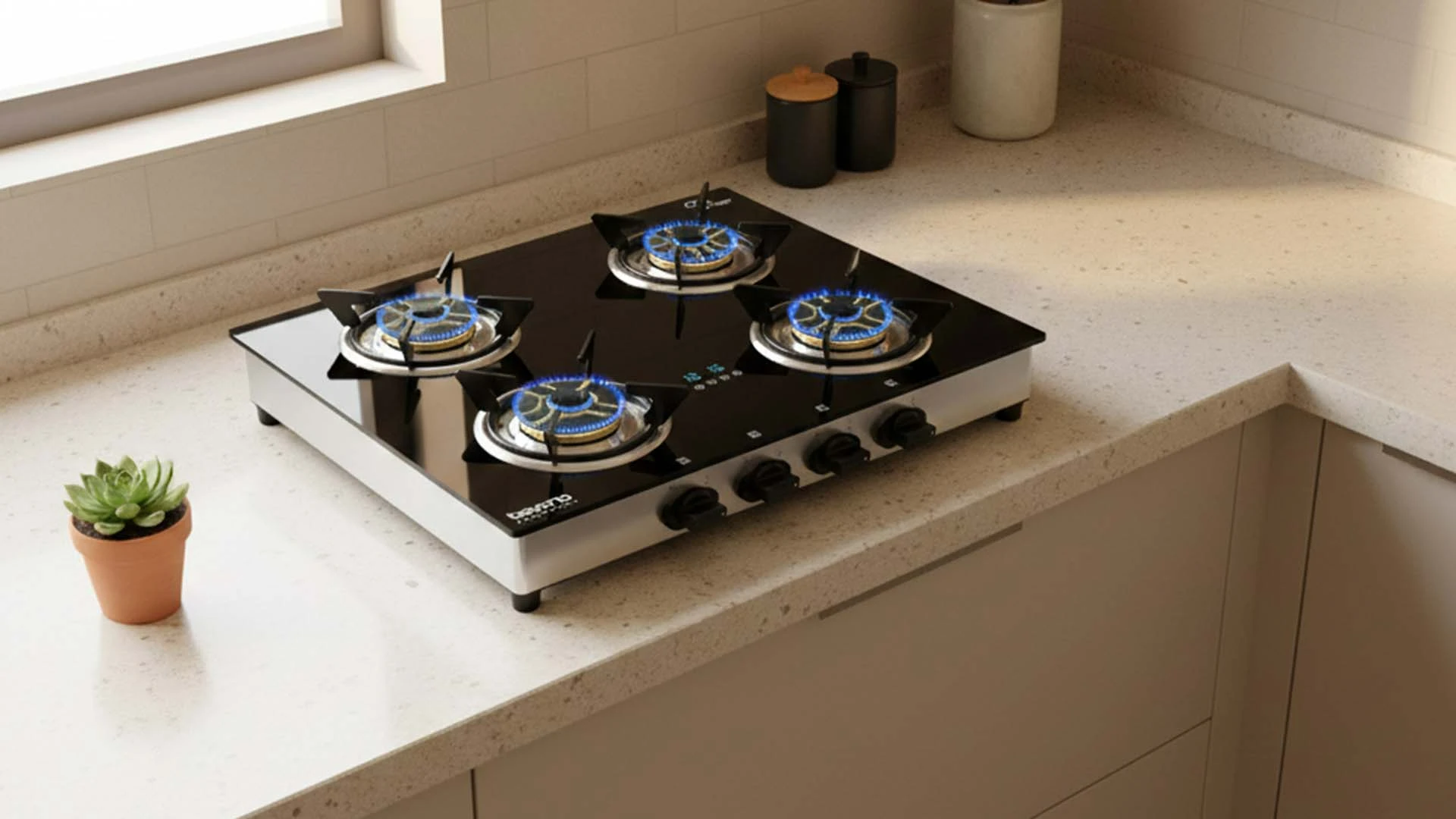
Gas cooktops typically offer the longest gas cooktop lifespan of 15 to 20 years. Their robust construction with fewer electronic components makes them naturally durable. The main failure points include burner grates, ignition systems, and gas valves, which are often repairable rather than requiring full replacement.
Electric cooktops average 10 to 15 years, with electric cooktop lifespan varying between coil and smooth-top models. Coil elements can be easily replaced, extending the unit's life. Smooth-top electric cooktops may require more careful handling to prevent surface damage, but offer easier cleaning and maintenance.
Modern induction cooktops can achieve 15 to 20 years with proper care. The induction cooktop lifespan depends heavily on protecting the glass surface and ensuring compatible cookware usage. Electronic components are generally reliable, and the precise temperature control reduces wear on internal systems.
Proper cooktop maintenance is the key to maximizing your appliance's lifespan. Following a structured maintenance routine prevents minor issues from becoming major problems and keeps your cooktop performing at its best.
Clean spills immediately while the surface is still warm but safe to touch. This prevents food residue from burning onto the surface and becoming difficult to remove. Allow the cooktop to cool completely before deep cleaning, and always use appropriate cleaning products for your specific cooktop type.
Remove burner grates and drip pans on gas models for thorough cleaning. For electric and induction cooktops, use specialized glass cleaners to maintain surface clarity and prevent scratches. Check and clean ventilation areas to ensure proper airflow and prevent overheating.
Inspect gas connections for leaks using soapy water solution. Check electrical connections for signs of wear or damage. Monitor heating performance across all burners or elements to identify early signs of malfunction that could affect cooktop durability.
Knowing when to invest in cooktop repair versus replacement saves money and ensures kitchen safety. The decision depends on the age of your appliance, repair costs, and overall condition.
Uneven heating often results from clogged burner ports or worn elements, both easily fixable. Minor electrical problems like faulty switches or loose connections are typically cost-effective to repair. Surface scratches on glass cooktops can sometimes be polished out, restoring appearance and function.
Replace your cooktop when repair costs exceed 50% of a new unit's price. Safety hazards like gas leaks, yellow flames, or electrical shorts require immediate attention and often indicate the need for replacement. Age-related efficiency decline becomes noticeable after 15 years, making replacement more economical than continued repairs.
Choosing healthy cooking appliances impacts not only your food quality but also your kitchen's overall longevity. Well-maintained cooktops contribute to better indoor air quality and energy efficiency throughout their lifespan.
Gas cooktops require proper ventilation to maintain healthy air quality, while induction models offer precise temperature control that preserves nutrients in food. Electric cooktops provide consistent heat distribution, supporting healthy cooking techniques. Regular maintenance of any cooktop type ensures optimal performance and contributes to a healthier cooking environment.
Professional installation and ongoing care are essential for extending cooktop life well beyond average expectations. These advanced strategies help achieve maximum value from your investment.
Ensure adequate ventilation clearances around your cooktop to prevent overheating. Proper electrical or gas supply installation prevents stress on internal components. Follow manufacturer spacing guidelines to allow for thermal expansion and safe operation.
Schedule professional maintenance annually for gas models and every two years for electric or induction units. Use appropriate cookware sizes to prevent overworking heating elements. Implement seasonal deep cleaning schedules that address areas often overlooked in daily maintenance.
The average cooktop lasts 10-15 years, but with proper maintenance and quality brands, lifespans can extend to 20 years. Induction and gas cooktops typically last longer than basic electric models.
Replace when repair costs exceed 50% of replacement value, safety issues arise like yellow flames or gas leaks, or the unit is over 15 years old with frequent problems.
Gas and induction cooktops typically last 15-20 years, while electric cooktops average 10-15 years. Proper maintenance is the key factor regardless of type.
Key indicators include uneven heating, frequent repairs, decreased efficiency, safety concerns, and age over 15 years with declining performance.
Clean spills immediately, use appropriate cookware, schedule regular professional maintenance, and follow manufacturer guidelines for cleaning and operation.
Maximizing your cooktop lifespan requires consistent maintenance, proper usage, and timely repairs when needed. Whether you own a gas, electric, or induction model, following these essential care practices will help you achieve 15-20 years of reliable cooking performance. Remember that investing in quality maintenance today prevents costly replacements tomorrow, keeping your kitchen running smoothly for years to come.
