

Essential Checklist: Manage Indian Kitchen Fumes
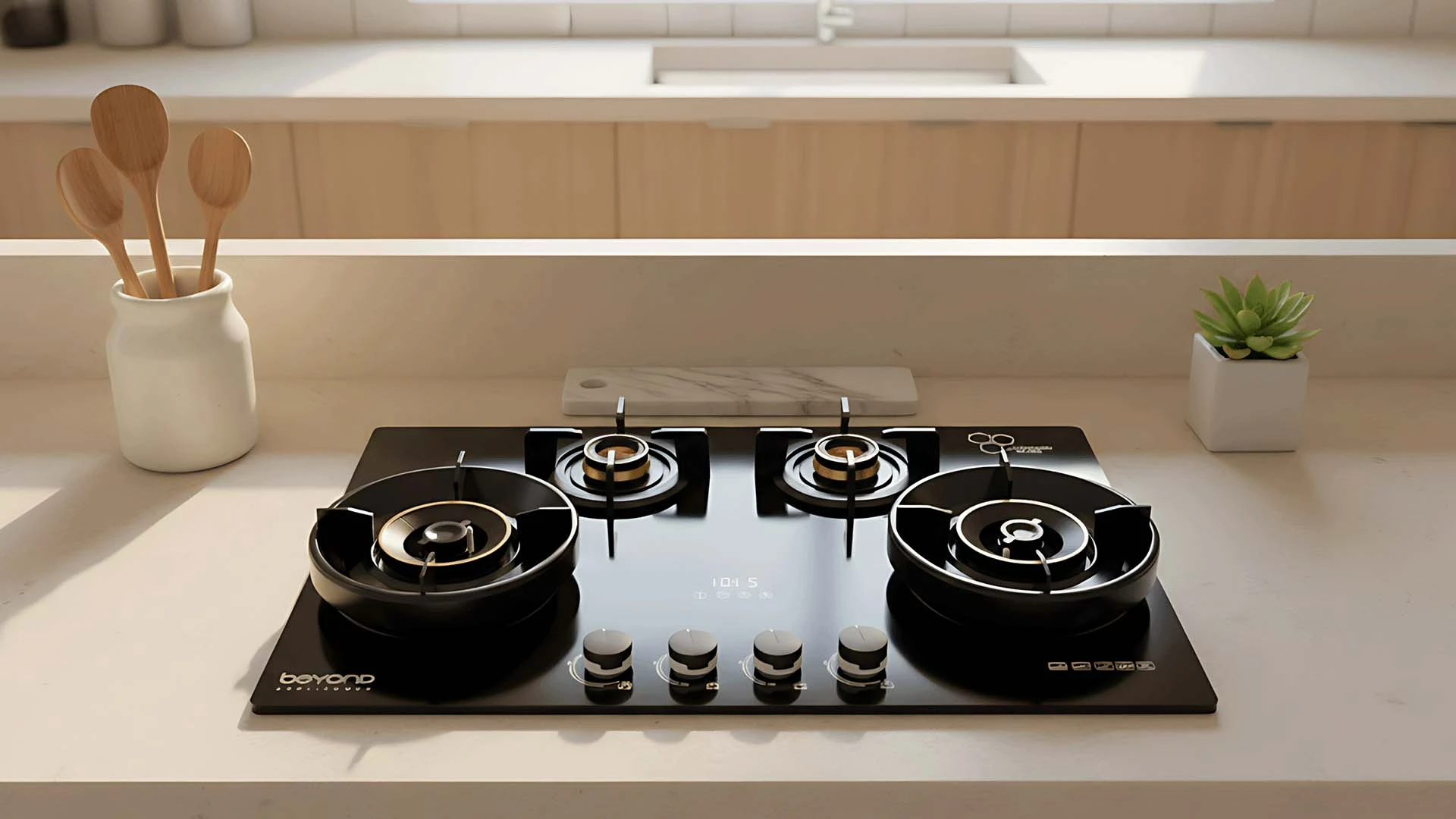
Indian kitchens are known for their aromatic spices and rich flavors, but they also produce significant amounts of cooking fumes that can affect your home's air quality. From oil smoke during tempering to spice particles that linger in the air, managing these fumes requires a strategic approach. Poor ventilation can lead to persistent odors, greasy surfaces, and even health concerns from prolonged exposure to cooking smoke. This comprehensive checklist will help you create a healthier kitchen environment while preserving the authentic flavors of Indian cuisine.
Indian cooking generates more fumes than most other cuisines due to specific cooking techniques and ingredients. The high-heat tempering of spices, deep frying, and extensive use of oils create dense smoke that contains oil particles, spice dust, and aromatic compounds. These cooking fumes removal challenges stem from traditional methods like tadka (tempering), where spices are heated in oil until they release their flavors. This process, while essential for authentic taste, produces concentrated smoke that can quickly fill your kitchen. Additionally, the variety of spices used in Indian cooking creates complex odor molecules that tend to stick to surfaces and fabrics. Prolonged exposure to these fumes can cause respiratory irritation, especially for individuals with asthma or allergies. The oil particles in the air can also settle on kitchen surfaces, creating a sticky film that attracts dust and bacteria. Understanding these unique challenges is the first step toward implementing effective solutions for indian cooking odors management.
Proper ventilation forms the backbone of any effective fume management system. The key is creating adequate airflow that captures and removes cooking fumes before they spread throughout your home.
A powerful kitchen smoke extractor is essential for Indian cooking. Look for chimneys with a minimum suction capacity of 1000 cubic meters per hour for heavy cooking. Ductable chimneys that vent outside are more effective than ductless models for removing oil particles and persistent odors.
For kitchens without chimneys, window-mounted exhaust fans serve as excellent exhaust fan alternatives. Position the fan directly above or adjacent to your cooking area to capture fumes at their source. Ensure the fan has adequate CFM rating for your kitchen size.
Create natural airflow by opening windows on opposite sides of the kitchen. This natural kitchen ventilation method helps push contaminated air out while drawing fresh air in. Even in small spaces, strategic window opening can significantly improve air circulation.
While ventilation removes fumes, air purifiers clean the remaining particles from your kitchen air. Modern purification systems offer targeted solutions for cooking-related air quality issues.
Choose an air purifier for cooking with both HEPA and activated carbon filters. HEPA filters capture fine oil particles, while carbon filters absorb odor molecules. Place the purifier near your cooking area but away from direct heat and steam.
UV-C sterilization and ionizer features help break down odor molecules and eliminate bacteria that can cause persistent smells. These technologies work particularly well for maintaining healthy kitchen air in homes with frequent cooking.
Natural odor absorption methods complement mechanical ventilation systems and provide chemical-free solutions for maintaining fresh kitchen air.
Place bowls of baking soda near cooking areas to absorb odors naturally. White vinegar in small dishes also neutralizes cooking smells effectively. For immediate odor control, simmer a pot of water with lemon slices and cinnamon sticks after cooking.
Coffee grounds placed in open containers absorb strong cooking odors overnight. Essential oils like eucalyptus or tea tree can be diffused after cooking to freshen the air naturally. These methods help reduce kitchen odors without masking them with artificial fragrances.
Modifying your cooking approach can significantly reduce fume production without compromising flavor. Smart cooking techniques minimize smoke generation while maintaining authentic taste profiles. Control oil temperature carefully during tempering to prevent excessive smoking. Use oils with higher smoke points like refined sunflower or rice bran oil for high-heat cooking. Cover pans partially during spice tempering to contain fumes while allowing steam to escape. Pressure cooking reduces overall cooking time and contains most fumes within the cooker. When possible, prepare spice pastes in advance to minimize grinding and tempering time. These preventive measures reduce the overall fume load on your ventilation system.
When cooking produces unexpected amounts of smoke, immediate action prevents fumes from spreading throughout your home. Quick response techniques can contain the situation effectively. Open all available windows and doors to create maximum airflow. Turn on ceiling fans to help circulate air and push fumes toward exhaust points. Place a wet towel under doors leading to other rooms to prevent odor migration. After cooking, wipe down surfaces with a vinegar solution to remove oil particles that contribute to lingering odors. Wash fabric items like curtains and dish towels that may have absorbed cooking smells. Run the chimney or exhaust fan for at least 15 minutes after cooking to clear residual fumes.
Open windows on opposite sides of the kitchen to create cross-ventilation. Turn on your chimney or exhaust fan at maximum speed and keep it running for 15-20 minutes after cooking. Place bowls of white vinegar around the kitchen to absorb odors immediately.
Install a high-capacity chimney with at least 1000 CMH suction power. Clean your kitchen exhaust system regularly and replace filters as needed. Use natural odor absorbers like activated charcoal or baking soda in strategic locations throughout the kitchen.
Combine mechanical and natural ventilation methods. Install a powerful chimney directly above your cooking area, add window exhaust fans for additional airflow, and ensure adequate fresh air intake through windows or vents.
A combination approach works best: a high-suction chimney for immediate fume removal, an air purifier with carbon filters for residual odors, and natural absorbers like baking soda for ongoing odor control.
Ductless chimneys can handle light to moderate Indian cooking but may struggle with heavy frying or extensive spice tempering. For best results with Indian cuisine, ductable chimneys that vent outside are more effective.
Managing Indian kitchen fumes requires a multi-layered approach combining proper ventilation, air purification, and smart cooking techniques. The key is creating adequate airflow to capture fumes at their source while using natural methods to address residual odors. Regular maintenance of your ventilation system ensures optimal performance, while preventive cooking techniques reduce the overall fume load. By implementing these strategies systematically, you can enjoy authentic Indian flavors while maintaining a fresh, healthy kitchen environment for your family.
