

Essential Checklist: Eliminate Kitchen Odors Fast
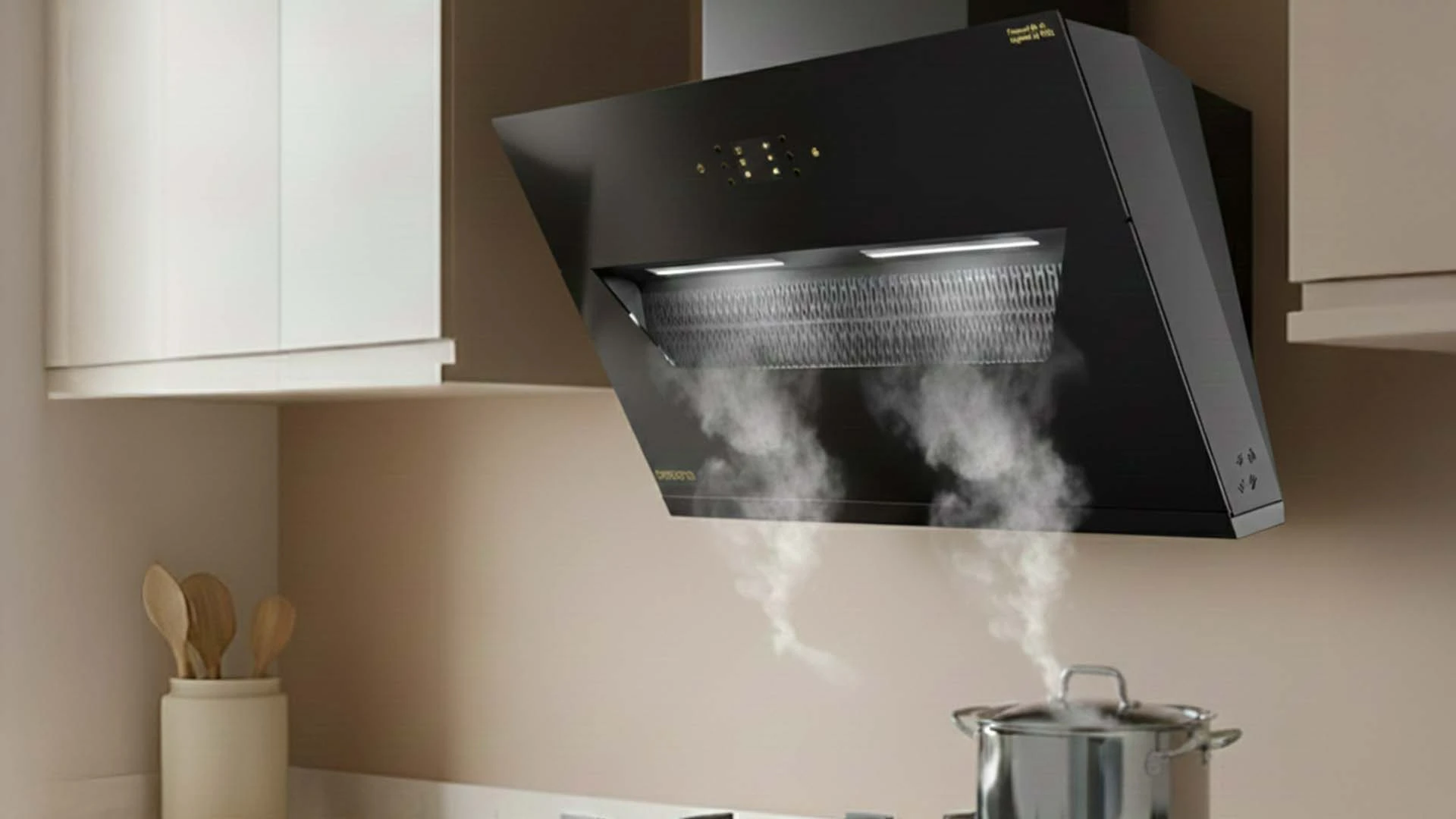
Kitchen odors can transform your home from a welcoming space into an uncomfortable environment. Persistent cooking smells don't just affect comfort—they signal poor air quality that can impact your family's health. Trapped grease particles, smoke, and food residues create breeding grounds for bacteria while compromising respiratory wellness. The best chimney to remove odors becomes essential for maintaining a fresh, healthy kitchen environment. This comprehensive checklist provides immediate solutions and long-term strategies to eliminate cooking smells effectively, ensuring your kitchen remains a pleasant space for family gatherings and daily meal preparation.
Effective odor elimination starts with understanding what creates persistent kitchen smells. Indian cooking presents unique challenges with heavy frying, aromatic spices, and high-heat cooking methods that generate substantial smoke and grease particles.
Heavy frying creates the most persistent odors, as oil particles become airborne and settle on surfaces throughout your kitchen. Spice-based cooking releases volatile compounds that can linger for hours without proper ventilation. Grease accumulation in poorly ventilated spaces leads to bacterial growth, creating musty odors that worsen over time.
Modern chimney odor removal systems use powerful suction motors measured in CFM (Cubic Feet per Minute) ratings. Higher CFM ratings mean stronger suction power to capture smoke and grease before they spread. Multi-layer filtration systems trap particles while activated carbon filters neutralize odor molecules effectively.
This systematic approach addresses immediate odor problems while establishing long-term prevention strategies. Follow these steps to transform your kitchen's air quality within days.
Open all windows and doors to create cross-ventilation that pushes stale air outside. Place bowls of white vinegar or baking soda near cooking areas to absorb existing odors naturally. Run your existing exhaust fan at maximum speed for 30 minutes after cooking to remove cooking smells before they settle. • Turn on ceiling fans to improve air circulation • Wipe down all surfaces with vinegar solution • Remove any food waste from garbage bins • Clean stovetop and surrounding areas thoroughly
Deep clean your existing ventilation system by removing and washing exhaust fan covers and filters. Check for kitchen exhaust fan odors caused by grease buildup in motor housing or ductwork. Schedule professional duct cleaning if odors persist despite surface cleaning efforts. • Replace or clean exhaust fan filters • Inspect ductwork for blockages or damage • Clean range hood interior surfaces • Test suction power at different speed settings
Evaluate your current ventilation capacity against your cooking habits and kitchen size. Research kitchen ventilation solutions that match your specific needs and budget. Implement healthy kitchen air quality monitoring to track improvement progress.
Selecting the right chimney involves understanding your kitchen's specific requirements and cooking patterns. Different chimney types offer varying levels of odor elimination effectiveness.
Minimum suction power should range from 400-1200 CFM depending on kitchen size and cooking intensity. Odor absorbing chimney systems feature multiple filter layers including baffle filters for grease and carbon filters for smell neutralization. Auto-clean mechanisms maintain consistent performance by preventing filter clogging. • Suction power: 400-600 CFM for small kitchens • Filter types: Baffle, charcoal, and HEPA combinations • Noise levels: Below 58 dB for comfortable operation • Installation flexibility: Ducted or ductless options
Small apartments benefit from ductless solutions with 400-600 CFM capacity that recirculate filtered air. Medium kitchens require hybrid systems with 600-900 CFM for effective smoke capture. Large cooking spaces need high-capacity units exceeding 900 CFM to handle multiple burners and heavy cooking.
The most effective chimney for kitchen smell elimination combines powerful suction with advanced filtration technology. Beyond Appliances offers T-shaped, curved, and slant chimneys designed for different kitchen layouts. Price-to-performance ratios favor models with auto-clean features that reduce maintenance requirements while ensuring consistent odor removal.
Prevention proves more effective than remediation when managing kitchen odors. Proper chimney usage and complementary air quality solutions create comprehensive odor control systems.
Start your chimney 5 minutes before cooking and run it 15 minutes after finishing to capture all airborne particles. Use appropriate speed settings—low for simmering, high for frying or grilling. Follow seasonal maintenance schedules to eliminate chimney odors caused by filter saturation or motor wear.
Place activated carbon filters in cabinets near cooking areas for additional odor absorption. Optimize natural ventilation by opening windows on opposite sides of your kitchen during cooking. Smart home integration allows automated chimney operation based on cooking detection or air quality sensors.
Even well-maintained chimneys can develop odor issues requiring specific solutions. Understanding common problems helps maintain optimal performance.
Persistent grease odors after cleaning often indicate filter replacement needs or internal component contamination. Backdraft problems occur when outdoor wind pressure exceeds chimney suction power. Chimney smell removal requires checking damper operation and duct sealing integrity.
Adjust suction power based on cooking methods—use maximum settings for deep frying and moderate settings for regular cooking. Balance noise reduction with effectiveness by selecting chimneys with sound dampening technology. Improve energy efficiency through variable speed controls and automatic shut-off features.
Quality chimneys with adequate CFM ratings and proper filtration can eliminate 90-95% of cooking odors when used correctly. Complete elimination depends on suction power, filter quality, and proper installation.
Heavy frying requires minimum 600-800 CFM suction power for effective odor capture. Larger kitchens or frequent frying may need 900+ CFM capacity.
Baffle filters need cleaning every 2-3 weeks, while carbon filters require replacement every 3-6 months depending on cooking frequency and intensity.
Ductless chimneys with quality carbon filters can effectively reduce cooking odors by 80-85%, making them suitable for apartments without external ducting options.
Odor removal targets specific smell molecules through filtration, while air purification addresses broader air quality including allergens, dust, and bacteria.
Auto-clean chimneys offer convenience and consistent performance but cost more initially. Manual cleaning models require regular maintenance but provide better long-term value for budget-conscious buyers.
Effective kitchen odor elimination requires combining immediate action steps with long-term ventilation solutions. The best chimney to remove odors matches your kitchen size, cooking habits, and installation requirements. Regular maintenance and proper usage ensure consistent performance and healthy air quality. Beyond Appliances offers comprehensive chimney solutions with free installation and extended warranty options, making professional-grade odor elimination accessible for every kitchen. Start with immediate cleaning steps, then invest in quality ventilation equipment for lasting results.
