

Essential Checklist: Choosing Your Kitchen Air Purifier
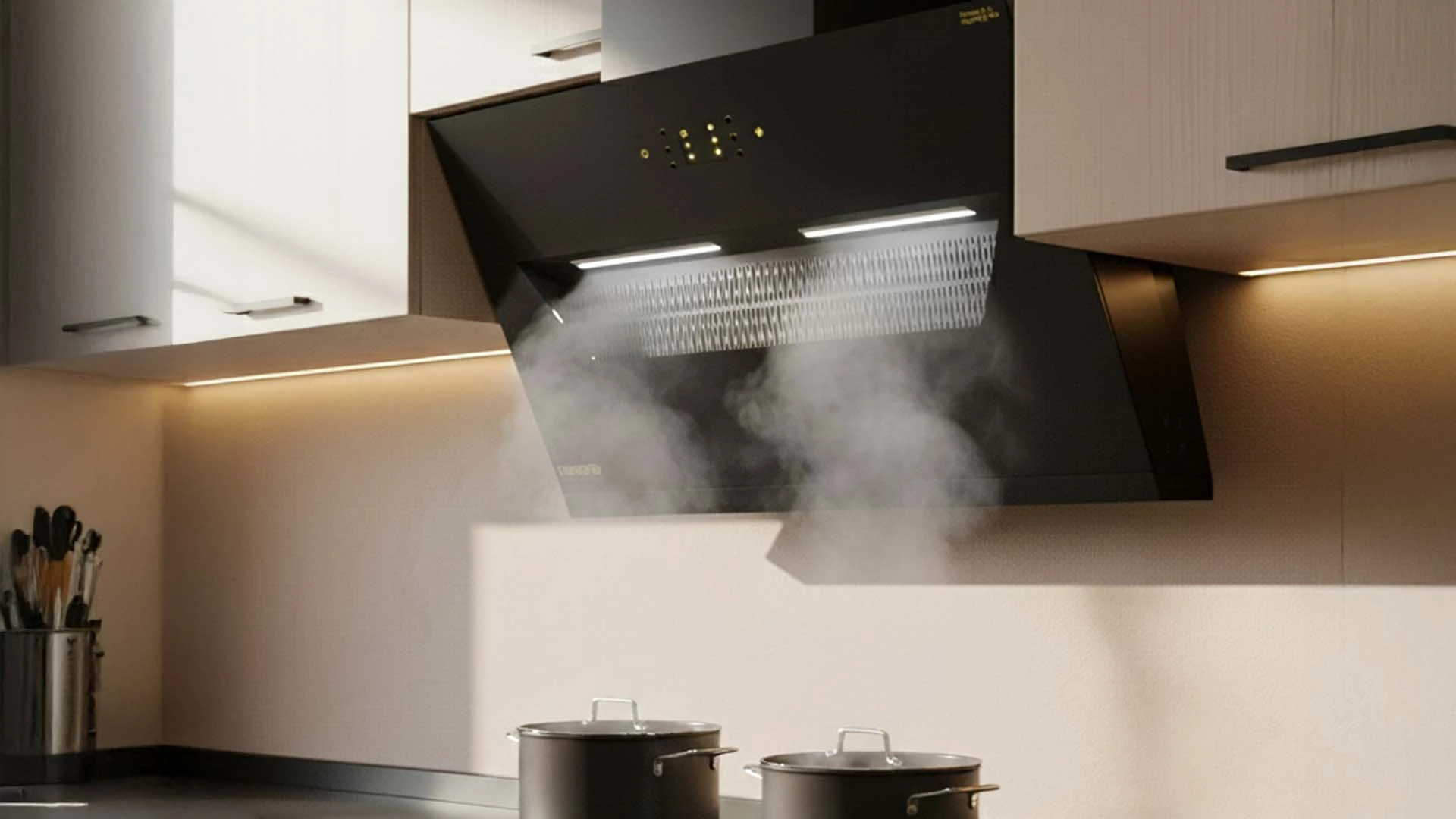
Cooking in your kitchen should be a joy, not a health hazard. Yet many Indian homes struggle with smoke, grease particles, and persistent food odors that linger long after meals. While traditional kitchen ventilation helps, an affordable kitchen air purifier can transform your cooking space into a cleaner, healthier environment. With rising concerns about indoor air quality and the specific challenges of Indian cooking styles, choosing the right air purification system has become essential for modern kitchens. This comprehensive checklist will guide you through every consideration, from budget constraints to performance requirements, ensuring you make an informed decision that protects your family's health without breaking the bank.
Kitchen environments face unique air quality challenges that standard home air purifiers often cannot handle effectively. Cooking generates fine particulate matter, volatile organic compounds, and grease particles that can remain airborne for hours. These pollutants don't just create unpleasant odors; they can trigger respiratory issues, especially for family members with asthma or allergies. Indian cooking, with its rich use of spices and high-heat techniques, produces particularly challenging air quality conditions. The combination of oil heating, spice roasting, and steam generation creates a complex mixture of airborne contaminants. Studies show that kitchen air can contain particle concentrations up to five times higher than outdoor pollution levels during active cooking periods. A dedicated kitchen air purifier addresses these specific challenges by targeting cooking-related pollutants. Unlike general room air purifiers, kitchen-specific units are designed to handle higher particle loads, grease content, and temperature variations. They work alongside your existing kitchen ventilation to create a comprehensive air cleaning solution.
Selecting the right technology is crucial for effective kitchen air purification. Different filter systems excel at removing specific types of cooking-related pollutants, and understanding these differences helps you choose the most suitable option for your cooking habits.
HEPA filters excel at capturing fine particles, including smoke and grease droplets, with 99.97% efficiency for particles 0.3 microns or larger. However, they cannot eliminate odors or gases. Carbon filters specialize in absorbing cooking smells, volatile organic compounds, and gaseous pollutants but are less effective against particles.
Compact units fit seamlessly into smaller kitchens without occupying valuable counter space. Portable models offer flexibility, allowing you to move the purifier closer to active cooking areas or relocate it when entertaining guests.
Advanced models include cooking-specific modes that automatically adjust fan speeds and filtration intensity when detecting increased particle levels or cooking odors. These features optimize performance while minimizing energy consumption.
Before purchasing any air purifier for cooking, evaluate these critical features to ensure optimal performance and value. Each factor directly impacts the unit's effectiveness in your specific kitchen environment.
Measure your kitchen's square footage and ceiling height to determine the required air changes per hour. Most kitchens benefit from units capable of processing the entire room volume 4-6 times hourly during active cooking.
Look for multi-stage filtration combining pre-filters, HEPA filters, and activated carbon layers. This combination effectively captures both particles and odors. Some models include specialized odor eliminator technologies like photocatalytic oxidation for enhanced performance.
Kitchen air purifiers often run at higher speeds than standard units, potentially creating noise issues in open floor plans. Seek models operating below 50 decibels on medium settings to maintain comfortable conversation levels.
Calculate annual filter replacement costs, as kitchen environments require more frequent changes than typical room applications. Budget-friendly options should have reasonably priced replacement filters available locally.
Look for Energy Star certified models or units with low wattage consumption. Kitchen air purifiers often run continuously, making energy efficiency crucial for long-term affordability.
Finding an effective yet affordable kitchen air purifier requires balancing essential features with cost considerations. The Indian market offers several excellent options that deliver reliable performance without premium pricing.
Compact units ranging from INR 3,000 to INR 6,000 offer basic HEPA and carbon filtration suitable for kitchens up to 200 square feet. These models typically feature 2-3 fan speeds and manual controls.
Units priced between INR 6,000 and INR 10,000 often include additional features like air quality sensors, automatic mode adjustments, and enhanced carbon filtration for superior odor control.
Consider models offering the best feature-to-price ratio rather than the lowest upfront cost. Units with longer filter life, better warranties, and proven reliability often provide better long-term value.
Kitchen air purifiers face unique challenges that distinguish them from standard room air cleaners. Understanding these factors helps you select a smoke air purifier capable of handling your cooking environment's specific demands.
Kitchen air contains larger particles and higher concentrations than typical indoor environments. Effective units should demonstrate proven performance against cooking-generated particles, including fine oil droplets and combustion byproducts.
Spice-heavy Indian cooking creates complex odor molecules that challenge standard carbon filters. Look for units with substantial activated carbon capacity or specialized odor-fighting technologies.
Kitchen environments subject air purifiers to temperature fluctuations and elevated humidity levels. Choose models designed to operate reliably in these conditions without performance degradation.
Proper placement significantly impacts your air cleaner for kitchen effectiveness. Strategic positioning ensures optimal air circulation and maximum pollutant capture during cooking activities.
Place the unit within 6-8 feet of your primary cooking area but away from direct heat sources. Position it to capture rising cooking vapors while maintaining safe clearance from stovetops and ovens.
Coordinate your air purifier with existing exhaust fans and range hoods for comprehensive air cleaning. The purifier should complement, not compete with, your primary ventilation system.
Countertop models offer convenience but consume workspace. Wall-mounted units save space but require installation. Portable options provide flexibility for different cooking scenarios.
The best kitchen air purifier combines HEPA and activated carbon filtration, operates quietly, and handles the specific challenges of cooking environments. Look for models designed specifically for kitchen use rather than general room air purifiers.
Budget-friendly options under INR 5,000 with basic HEPA and carbon filtration can effectively handle light to moderate cooking activities. Focus on models with good filter availability and reasonable replacement costs.
Yes, kitchen air purifiers significantly improve indoor air quality by removing cooking-related pollutants that traditional ventilation might miss. They're particularly beneficial for homes with open kitchen layouts or limited exhaust ventilation.
Affordable air purifiers can effectively reduce cooking smoke if they include proper HEPA filtration. However, very cheap models without adequate filtration or airflow may provide limited benefits.
Kitchen environments typically require filter replacement every 3-6 months, depending on cooking frequency and intensity. Heavy cooking may necessitate more frequent changes.
While air purifiers significantly reduce cooking odors, complete elimination depends on the unit's carbon filter capacity, room size, and odor intensity. Most quality units reduce odors by 80-90%.
Choosing an affordable kitchen air purifier requires careful consideration of your specific cooking habits, kitchen size, and budget constraints. Focus on units that combine effective particle and odor removal with reasonable operating costs. Remember that the cheapest option isn't always the most economical if it requires frequent filter replacements or fails to address your kitchen's air quality needs. Proper placement and integration with existing ventilation systems maximize effectiveness, while regular maintenance ensures long-term performance. With the right choice, you can enjoy healthier cooking environments without compromising your budget or kitchen functionality.
