

Cooktop Maintenance Guide India: Step-by-Step Tutorial
Maintaining your cooktop properly is essential for safe cooking and extending appliance life in Indian kitchens. With heavy daily use and diverse cooking styles, cooktops face unique challenges from oil splatter, spice stains, and high-heat cooking methods. Regular maintenance prevents costly repairs, ensures optimal performance, and keeps your kitchen hygienic. This comprehensive cooktop maintenance guide India covers everything from daily cleaning routines to troubleshooting common issues, helping you care for gas stoves, induction cooktops, and other cooking surfaces effectively.
Understanding your cooktop type and establishing proper maintenance habits forms the foundation of effective appliance care. Indian cooking demands robust maintenance routines due to frequent use of oils, spices, and high-temperature cooking methods that can quickly build up residues and affect performance.
Gas stoves remain the most popular choice in Indian households, offering instant heat control and compatibility with traditional cooking vessels. These require regular burner cleaning and gas line inspections for safe operation.
Induction cooktops are gaining popularity for their energy efficiency and precise temperature control. They need specialized cleaning methods to maintain their glass surfaces and electronic components. These cooktops work only with magnetic cookware and require gentle handling to prevent scratches.
Implementing simple daily routines prevents major cleaning challenges later. Wipe spills immediately after cooking while surfaces are still warm but safe to touch. This prevents food particles from hardening and becoming difficult to remove.
Ensure proper ventilation during and after cooking to prevent moisture buildup. Clean control knobs and handles daily with a damp cloth to prevent grease accumulation that can affect functionality.
Gas stoves require specific maintenance approaches to ensure safe operation and optimal performance. Regular cleaning and inspection of gas components prevents safety hazards and maintains efficient fuel consumption. Proper gas stove maintenance extends appliance life and ensures consistent cooking results.
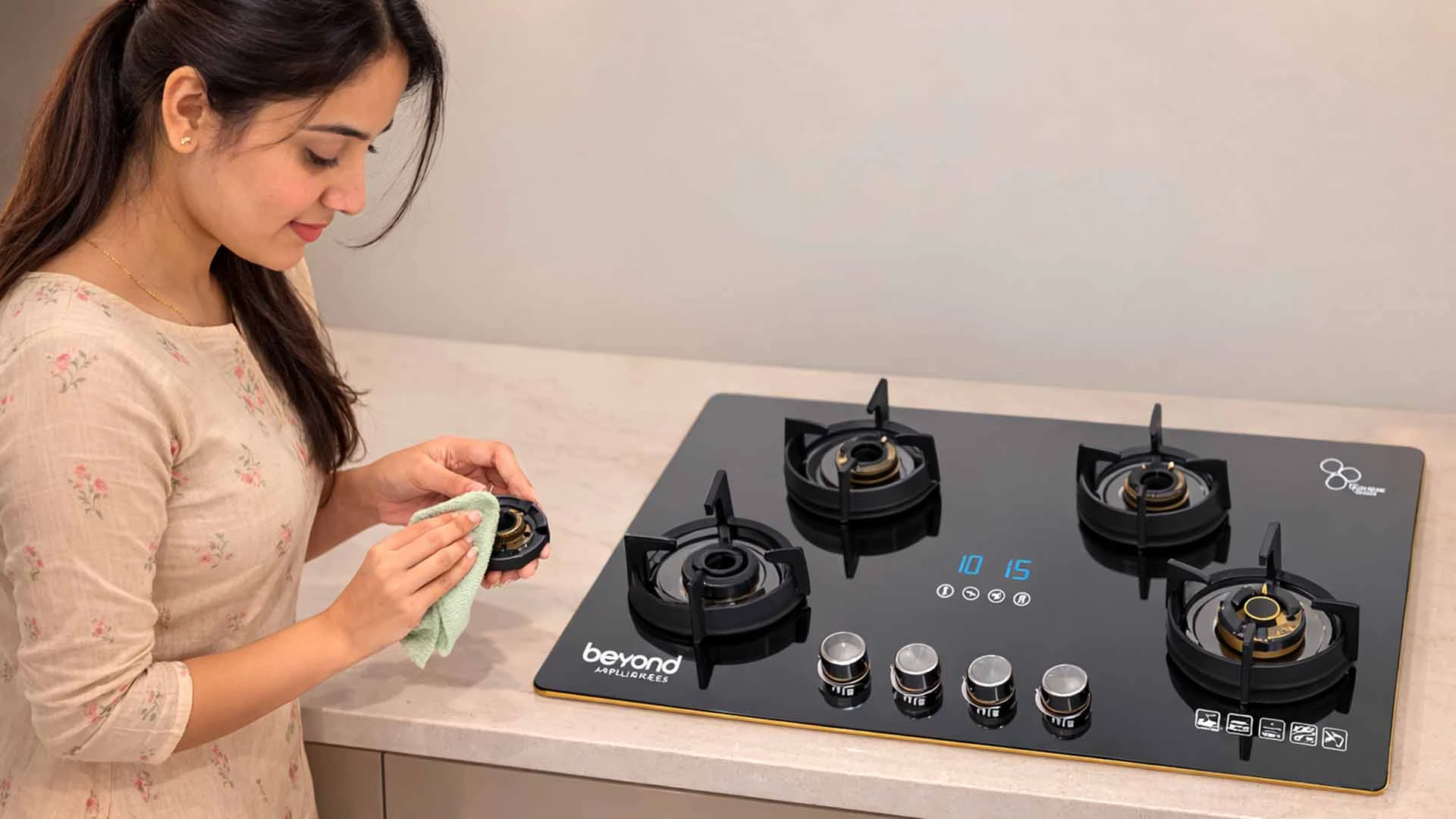
Remove burner grates after each cooking session and wash with warm soapy water. Scrub gently with a soft brush to remove food particles without damaging the coating. Dry thoroughly before replacing to prevent rust formation.
Clean drip pans daily to prevent grease buildup that can cause unpleasant odors and potential fire hazards. Use baking soda paste for stubborn stains, letting it sit for 15 minutes before scrubbing gently.
Disassemble removable parts including grates, drip pans, and burner caps for thorough cleaning. Soak components in warm water with dish soap for 30 minutes to loosen dried food residues.
Clean burner ports using a thin wire or toothpick to remove clogs that can cause uneven flames. Ensure all ports are clear for proper gas flow and efficient combustion.
Check for gas leaks monthly by applying soapy water to connections and watching for bubbles. Never ignore the smell of gas - turn off the supply immediately and ventilate the area before investigating.
Monitor flame color regularly - blue flames indicate proper combustion while yellow flames suggest incomplete burning and potential carbon monoxide production. Schedule professional service annually for comprehensive safety checks.
Induction cooktops require specialized care to maintain their smooth glass surfaces and sensitive electronic components. These modern appliances offer precise cooking control but need gentle handling and appropriate cleaning methods. Understanding proper induction cooktop care prevents damage and ensures long-term reliability.
Clean the glass surface after each use with a soft cloth and mild detergent solution. Avoid abrasive cleaners or scrubbers that can scratch the delicate surface. Use circular motions for even cleaning without leaving streaks.
Remove spills immediately to prevent them from burning onto the surface during subsequent cooking. Keep the cooktop dry to prevent water spots and maintain optimal touch control sensitivity.
Create a paste using baking soda and water for burnt-on food residues. Apply the paste, let it sit for 20 minutes, then gently scrub with a soft cloth. This natural method effectively removes stains without damaging the glass surface.
For extremely stubborn burns, use a specialized glass cooktop cleaner following manufacturer instructions. Apply the cleaner, cover with plastic wrap, and let it work for the recommended time before wiping clean.
Error codes on the display usually indicate specific problems like overheating or incompatible cookware. Consult your manual for code meanings and appropriate responses. Most issues resolve by turning off the unit and allowing it to cool completely.
If the cooktop doesn't respond to touch controls, ensure the surface is completely clean and dry. Moisture or residue can interfere with the sensitive touch sensors, causing erratic behavior.
Implementing systematic maintenance schedules prevents major problems and extends appliance lifespan significantly. Regular preventive care costs less than emergency repairs and ensures consistent cooking performance. Developing good maintenance habits protects your investment and maintains kitchen safety standards.
Perform deep cleaning of all removable components including grates, drip pans, and control knobs. Inspect gas connections for signs of wear or corrosion, and check electrical connections on induction units for any loose contacts.
Test all safety features including automatic shut-off functions and flame failure devices. Clean ventilation areas around the cooktop to ensure proper airflow and heat dissipation.
During monsoon season, increase cleaning frequency to combat humidity-related issues like rust formation on metal components. Use moisture absorbers near gas stoves to prevent condensation buildup that can affect ignition systems.
In summer, ensure adequate ventilation to prevent overheating of electronic components in induction cooktops. Clean air vents regularly to maintain optimal cooling performance during high-temperature months.
Understanding when to attempt DIY repairs versus calling professionals saves money and prevents safety hazards. Simple maintenance tasks can be handled at home, but complex electrical or gas-related issues require expert attention. Knowing the difference protects both your appliance and your family's safety.
Ignition problems in gas stoves often result from dirty burner ports or faulty spark electrodes. Clean ports with a thin wire and wipe electrodes with a dry cloth to restore proper function. Replace batteries in electronic ignition systems if clicking occurs without sparking.
Uneven heating typically indicates clogged burner ports or warped grates. Clean all components thoroughly and check for proper alignment. Replace damaged grates to ensure even heat distribution across cookware.
Contact professionals immediately for gas leaks, electrical malfunctions, or any safety-related concerns. These issues require specialized tools and expertise to resolve safely. Never attempt repairs on gas lines or electrical systems without proper training.
Consider professional service when warranty coverage applies or when repair costs approach replacement value. Experienced technicians can diagnose complex problems quickly and provide lasting solutions.
Using safe, food-grade cleaning products protects your family's health while maintaining appliance performance. Natural cleaning solutions often work as effectively as harsh chemicals without leaving harmful residues. Choosing appropriate cleaning methods ensures both cleanliness and safety in food preparation areas.
Turmeric stains respond well to lemon juice and salt paste applied for 15 minutes before scrubbing gently. This natural combination breaks down the pigments without harsh chemicals that might contaminate food surfaces.
Oil residues dissolve effectively with white vinegar solution mixed with warm water. The acidic properties cut through grease while being completely food-safe for kitchen use.
Steam cleaning using plain water effectively loosens food residues without any chemical additives. Heat a bowl of water on the cooktop, let steam work for several minutes, then wipe surfaces clean with a soft cloth.
Essential oil-based cleaners provide pleasant fragrances while offering antimicrobial properties. Mix a few drops of tea tree or lavender oil with water for a natural, effective cleaning solution.
Deep clean your gas stove weekly, including removing and washing all grates, drip pans, and burner caps. Daily maintenance involves wiping surfaces and cleaning spills immediately after cooking.
Avoid regular glass cleaners as they may contain ammonia or other chemicals that can damage the cooktop surface. Use specialized cooktop cleaners or mild dish soap with water for safe cleaning.
Yellow flames indicate incomplete combustion, usually caused by clogged burner ports or improper air mixture. Clean the burner ports thoroughly and ensure proper ventilation. If the problem persists, contact a professional technician.
Use cookware with smooth, flat bottoms and avoid sliding pots across the surface. Clean the cooktop regularly to remove abrasive particles, and use protective mats if necessary during heavy cooking sessions.
Check power connections and circuit breakers first. For gas stoves, ensure the gas supply is on and pilot lights are functioning. If basic checks don't resolve the issue, contact professional repair services for diagnosis.
Proper cooktop maintenance requires consistent daily habits, weekly deep cleaning, and monthly safety inspections. Understanding your specific cooktop type helps you choose appropriate cleaning methods and identify potential problems early. Natural cleaning solutions work effectively while maintaining food safety standards in Indian kitchens.
Regular maintenance prevents costly repairs and extends appliance life significantly. When safety concerns arise, especially with gas appliances, always prioritize professional service over DIY attempts. Investing time in proper maintenance ensures reliable cooking performance and protects your family's safety for years to come.
