

Cooktop Controls: Front vs Side Placement Guide
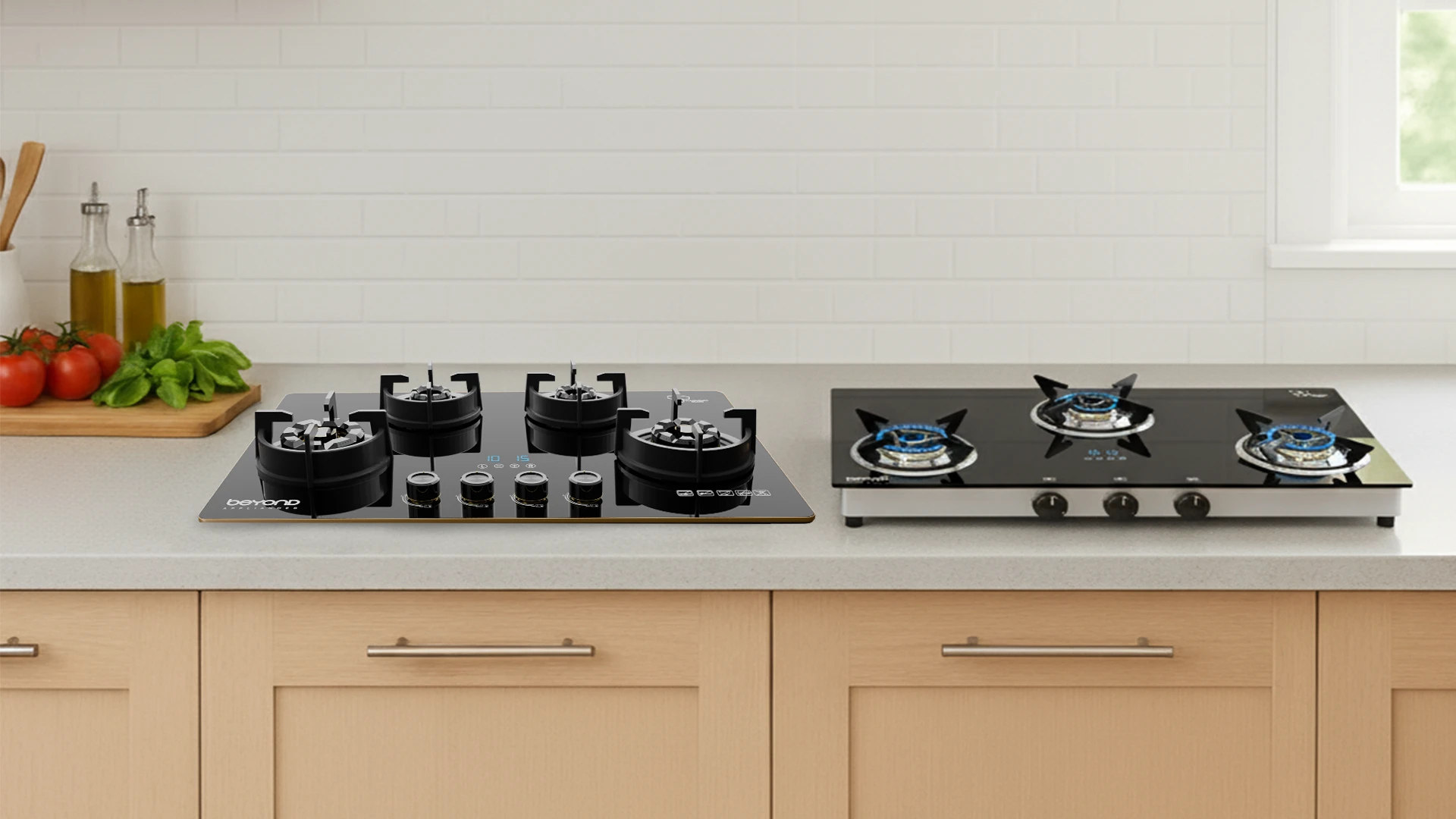
Choosing the right cooktop control placement is one of the most important decisions you'll make when designing your kitchen. The position of your controls affects everything from safety to cooking efficiency. Whether you're installing a new gas stove, electric cooktop, or modern induction unit, understanding the differences between front and side control placement will help you create a kitchen that works perfectly for your family's needs. This comprehensive guide explores both options to help you make an informed decision that enhances your cooking experience while prioritizing safety and functionality.
Cooktop control placement has evolved significantly over the years, with manufacturers offering various configurations to meet different user needs and kitchen designs. The two primary placement options each offer distinct advantages and considerations that impact daily cooking routines.
Front-mounted controls are positioned along the front edge of the cooktop, typically below the cooking surface. This traditional design places knobs or touch controls within easy reach without requiring you to reach over hot burners. Most conventional ranges feature this configuration, making it familiar to many home cooks. The controls are usually arranged in a linear pattern that corresponds to the burner layout above.
Side-mounted controls are positioned along the right or left edge of the cooktop, parallel to the cooking surface. This modern design approach draws inspiration from professional kitchens where safety and efficiency are paramount. The controls are typically integrated into the cooktop's frame or positioned on an adjacent control panel. This placement keeps controls away from the direct cooking area while maintaining accessibility.
Gas cooktop controls traditionally use rotary knobs that provide tactile feedback and precise flame adjustment. These controls work well in both front and side positions, though side placement often provides better protection from spills and heat. Electric cooktop controls may feature knobs, touch panels, or slider controls, with side placement offering better protection for electronic components. Induction cooktop controls typically use digital interfaces with touch controls or knobs, and side placement helps protect sensitive electronics from cooking splatter and heat exposure.
Safety should be your top priority when choosing cooktop control placement. Different configurations offer varying levels of protection for family members and create different risk scenarios during cooking activities.
Side-mounted controls typically provide better child safety because they're positioned away from the cooking surface where children might accidentally lean or reach. The controls are less likely to be accidentally activated during normal kitchen activities. Front-mounted controls may be more accessible to curious children, though many modern units include safety locks and require deliberate action to activate. Consider your family situation and the height of your cooktop when evaluating child safety features.
Side control placement significantly reduces the risk of burns because you don't need to reach over hot burners to make adjustments. This is particularly important when cooking with large pots or when multiple burners are in use simultaneously. Front controls require careful positioning to avoid accidental contact with hot cookware or steam. The distance between controls and cooking surfaces varies by model, affecting heat exposure levels.
Both placement options should provide quick access to emergency shut-off, but side controls often offer better visibility and access during high-stress situations. You can quickly reach side controls without navigating around hot cookware or steam. Front controls may be partially obscured by large pots or cooking activities, potentially slowing emergency response times.
The ergonomic design of your cooktop controls directly impacts your cooking experience and long-term comfort. Consider how different placements affect your natural cooking movements and daily kitchen workflow.
Side-mounted controls often provide more natural hand movements during cooking, allowing you to adjust heat levels without interrupting your cooking rhythm. You can maintain visual contact with your food while making adjustments. Front controls may require you to lean forward or step back from the cooking surface, potentially disrupting your workflow. Consider how you typically move around your kitchen and interact with your cooking surfaces.
Different family members may have varying preferences and physical needs. Side controls can be easier for shorter users to reach without stretching over the cooking surface. Left-handed cooks may prefer controls on the left side, while right-handed users might favor right-side placement. Consider the primary users of your kitchen and any mobility considerations that might affect control accessibility.
Your overall kitchen layout influences which control placement works best. Side controls may interfere with adjacent counter space or cabinet placement in smaller kitchens. Front controls typically require less lateral space but may affect the visual flow of your countertop. Consider how your cooktop integrates with surrounding healthy cooking appliances and storage solutions.
The placement of your cooktop controls can affect both immediate performance and long-term functionality. Understanding these differences helps you choose the option that best supports your cooking style and maintenance preferences.
Side-mounted controls often provide better precision because they're positioned away from heat and steam that might affect your grip or visibility. You can make fine adjustments without worrying about hot surfaces nearby. Front controls may be affected by heat rising from the cooking surface, potentially making precise adjustments more challenging during intensive cooking sessions.
Side controls typically accumulate less grease and cooking splatter because they're positioned away from the primary cooking area. This placement makes regular cleaning easier and may extend the life of control mechanisms. Front controls are more exposed to cooking byproducts and may require more frequent cleaning to maintain optimal function and appearance.
Modern cooktops often include smart features and digital displays that benefit from side placement protection. Electronic components last longer when shielded from heat and moisture. Side-mounted controls can accommodate larger displays and more sophisticated interfaces without interfering with cooking activities.
Selecting the ideal control placement requires careful consideration of your specific needs, cooking habits, and kitchen environment. The right choice enhances your cooking experience while providing long-term satisfaction.
Frequent cooks who use multiple burners simultaneously often prefer side controls for easier access and better safety. If you primarily use one or two burners, front controls might provide adequate functionality. Consider the types of cooking you do most often and how control placement might affect your efficiency and comfort.
Smaller kitchens may benefit from front controls that don't require additional lateral space. Larger kitchens can accommodate side controls more easily and may benefit from the improved workflow they provide. Consider how your cooktop placement affects traffic flow and integration with other kitchen appliance controls.
Side-mounted controls may cost slightly more due to additional engineering and materials required. However, they often provide better long-term value through improved safety and functionality. Consider your budget alongside the features that matter most to your family's cooking needs and safety requirements.
Yes, side controls are generally safer for families with children because they position controls away from the cooking surface where children might accidentally reach or lean. The controls are less accessible to curious hands and reduce the risk of accidental activation.
Side control placement significantly reduces burn risk because you don't need to reach over hot burners to make adjustments. This is especially important when using large cookware or cooking on multiple burners simultaneously.
Side controls often provide better workflow efficiency by allowing natural hand movements without interrupting cooking activities. You can maintain visual contact with food while making adjustments, leading to better cooking results and increased safety.
Retrofitting control placement typically requires replacing the entire cooktop unit, as controls are integrated into the appliance design. However, when upgrading your kitchen, you can choose a new unit with your preferred control configuration.
Front controls require minimal additional space beyond the cooktop footprint. Side controls may need additional lateral clearance, typically 2-4 inches on the control side, depending on the specific model and installation requirements.
Side controls typically last longer because they're protected from heat, steam, and cooking splatter that can affect control mechanisms over time. This protection often results in better long-term reliability and reduced maintenance needs.
Choosing between front and side cooktop control placement depends on your specific needs, cooking habits, and kitchen layout. Side controls generally offer superior safety, ergonomics, and long-term durability, making them ideal for active cooking households and families with children. Front controls remain a practical choice for smaller kitchens or users who prefer traditional layouts. Consider your priorities carefully, and don't hesitate to visit showrooms to experience different control placements firsthand before making your final decision.
