

Complete Tutorial: Gas Valve Leak Detection Guide
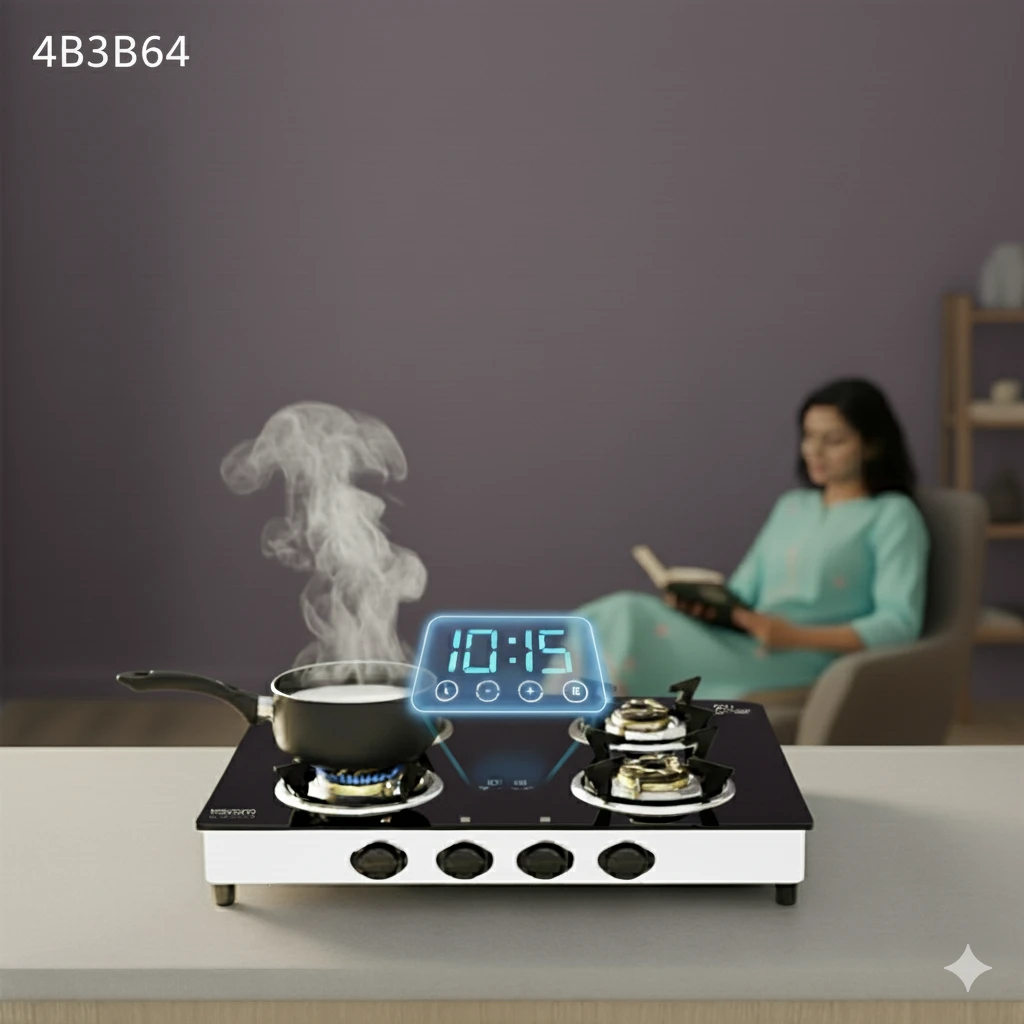
Gas valve leaks pose serious safety risks in any home with gas appliances. Whether you have a gas stove, cooktop, or other gas-powered equipment, knowing how to detect potential leaks can protect your family and property. This comprehensive guide will walk you through proven methods to identify gas valve leaks, from simple visual checks to advanced detection techniques. Understanding these steps to check if gas valve is leaking empowers you to maintain a safe kitchen environment while enjoying the convenience of gas appliances.
Recognizing the early signs of gas leak can prevent dangerous situations before they escalate. Gas companies add a chemical called mercaptan to natural gas, creating that distinctive rotten egg smell that alerts you to potential leaks.
The most obvious indicator is the strong sulfur odor near your gas appliances or connections. However, natural gas leak symptoms extend beyond smell alone. Listen for unusual hissing or whistling sounds around gas lines, valves, or appliance connections. These sounds often indicate gas escaping under pressure.
Physical symptoms can also signal gas exposure. Headaches, dizziness, fatigue, or nausea when near gas appliances may indicate a leak. Additionally, dead vegetation around outdoor gas meters or unexplained increases in your gas bills warrant immediate investigation.
Visual clues include dirt or dust blowing from underground gas lines, white clouds or vapor near gas appliances, and corrosion or damage around valve connections. These warning signs require prompt attention to ensure your safety.
Gas leak safety must be your top priority before attempting any detection methods. Never use open flames, matches, lighters, or electrical switches when you suspect a gas leak. These ignition sources can trigger explosions in gas-rich environments.
Immediately ventilate the area by opening windows and doors. Avoid using exhaust fans or electrical equipment that might create sparks. If you detect a strong gas odor, evacuate the premises immediately and call your gas utility company from a safe location.
For minor leak suspicions, ensure adequate ventilation before proceeding with detection methods. Keep emergency contact numbers readily available, including your gas utility company and local fire department. Consider wearing safety glasses when applying soapy water solutions near gas connections.
Learning the proper steps to check if gas valve is leaking involves multiple detection methods. Start with the simplest approaches before moving to more advanced techniques. Always prioritize safety throughout the process.
Begin your gas valve leak test during daylight hours when visibility is optimal. Ensure all gas appliances are turned off before starting your inspection. This baseline helps you identify any gas that shouldn't be present.
Start with a thorough visual examination of all gas valve connections and fittings. Look for obvious signs of corrosion, rust, or physical damage around valve stems and connection points. Check for loose fittings or connections that appear misaligned.
Inspect the area around gas appliances for any discoloration or staining that might indicate previous leaks. Pay special attention to threaded connections where pipes join valves or appliances.
The bubble test remains the most reliable DIY method for checking for gas leaks. Mix one part liquid dish soap with three parts water in a spray bottle or small container. This solution creates visible bubbles when it contacts escaping gas.
Apply the soapy solution generously to all valve connections, pipe joints, and fittings. Watch carefully for bubble formation, which indicates gas escaping from the connection. Even small bubbles suggest a leak requiring immediate attention.
Electronic gas detectors provide precise leak detection capabilities. These devices can detect gas concentrations well below dangerous levels. Hold the detector near valve connections and move it slowly around all potential leak points.
Most detectors feature adjustable sensitivity settings and audible alarms. Follow manufacturer instructions for proper calibration and usage techniques to ensure accurate readings.
Professional gas leak detection employs advanced equipment and techniques beyond DIY capabilities. Certified technicians use specialized pressure testing equipment to identify even minor leaks throughout gas systems.
Professional detection methods include electronic sniffers with extreme sensitivity, thermal imaging cameras that detect temperature variations caused by escaping gas, and pressure decay testing that measures system integrity over time. These techniques can locate leaks invisible to standard detection methods.
Schedule professional inspections annually or whenever you suspect system problems. The cost typically ranges from INR 2,000 to INR 5,000, depending on system complexity and local service rates. This investment ensures comprehensive safety assessment beyond DIY capabilities.
Different gas systems require specific testing approaches. Understanding these variations ensures thorough leak detection across all your gas appliances and connections.
Natural gas and propane systems have distinct characteristics affecting detection methods. Each system type presents unique challenges and safety considerations during leak testing.
Natural gas systems typically feature permanent installations with rigid piping and multiple appliance connections. Focus your inspection on appliance shut-off valves, flexible connectors, and main supply connections.
Check behind and around gas stoves, cooktops, and other kitchen appliances where connections may be hidden. Pay attention to basement or utility room connections where main lines enter your home.
Propane systems often involve portable tanks and flexible connections requiring different testing approaches. Propane leak check procedures include tank valve inspection, regulator examination, and hose connection testing.
Inspect tank valves for proper sealing and check regulators for signs of wear or damage. Flexible hoses connecting portable appliances need careful examination for cracks or deterioration.
When detecting gas smell or confirming a leak through testing, immediate action protects your safety. Stop using all gas appliances immediately and avoid creating any sparks or flames in the area.
For minor leaks detected during testing, turn off the gas supply at the appliance shut-off valve or main meter if necessary. Ventilate the area thoroughly and contact a qualified technician for repairs. Never attempt to repair gas leaks yourself.
For significant leaks or strong gas odors, evacuate immediately and call your gas utility company from a safe location. Do not re-enter the building until professionals declare it safe. Document the situation for insurance purposes and follow utility company guidance for re-entry procedures.
Perform basic visual inspections monthly and comprehensive bubble testing every six months. Schedule professional inspections annually or whenever you notice unusual odors or sounds around gas appliances.
Never use open flames to detect gas leaks. This extremely dangerous practice can cause explosions. Always use soapy water solutions or electronic detectors for safe leak detection.
Natural gas has a distinctive rotten egg or sulfur smell due to added mercaptan. The odor is intentionally strong and unpleasant to ensure easy detection even in small concentrations.
Professional gas leak detection typically costs between INR 2,000 to INR 5,000, depending on system complexity and local service rates. This investment ensures comprehensive safety assessment.
Electronic gas detectors provide valuable early warning capabilities, especially for households with multiple gas appliances. Quality detectors cost INR 3,000 to INR 8,000 and offer precise detection capabilities.
Natural gas is lighter than air and rises, while propane is heavier and settles in low areas. This affects where leaks accumulate and requires different detection approaches for each gas type.
Regular gas valve leak detection protects your family and property from serious safety hazards. By following these proven methods and maintaining vigilance for warning signs, you can enjoy the convenience of gas appliances with confidence. Remember that safety always comes first – when in doubt, contact qualified professionals for thorough inspection and repairs. Proper maintenance and regular testing ensure your gas systems operate safely for years to come.
