
Complete Guide: How Gas Hob Works Step by Step
Cart
Your cart is empty
Gas hobs remain the preferred choice for millions of home cooks worldwide, offering precise heat control and instant flame adjustment that electric alternatives struggle to match. Understanding how gas hob works helps you make better cooking decisions, maintain your appliance properly, and ensure safe operation in your kitchen. Whether you're considering a new gas hob purchase or want to maximize your current appliance's performance, this comprehensive guide breaks down every aspect of gas hob operation from basic mechanics to advanced troubleshooting techniques.
A gas hob is a cooking appliance that burns natural gas or LPG (liquefied petroleum gas) to create controlled flames for heating cookware. The gas hob mechanism operates on simple combustion principles where gas mixes with air to produce a clean-burning flame that transfers heat directly to your pots and pans. The primary gas stove function involves converting chemical energy stored in gas into thermal energy through controlled combustion. This process happens instantly when you turn the control knob, making gas hobs incredibly responsive compared to electric alternatives. Modern gas hobs feature multiple burners with varying heat outputs, allowing simultaneous cooking at different temperatures. Gas hobs differ from complete gas stoves in that they're typically built into countertops as standalone cooking surfaces. While gas stoves include ovens and storage compartments, gas hobs focus solely on surface cooking, making them ideal for modern kitchen designs where space efficiency matters.
Understanding gas hob components helps you appreciate the engineering behind safe and efficient cooking. Each component plays a crucial role in delivering controlled heat to your cookware. The gas supply system forms the foundation of hob burner operation. This includes the main gas line, pressure regulator, and individual burner valves that control gas flow to each cooking position. The regulator ensures consistent pressure regardless of demand from other gas appliances in your home.
The burner assembly consists of several precision-engineered parts. Gas jets control the fuel flow rate, while burner caps distribute gas evenly around the flame ring. Flame spreaders ensure uniform heat distribution, and pan supports provide stable platforms for cookware of various sizes.
Modern gas hobs feature either piezo ignition systems that create sparks electronically or pilot lights that maintain small flames for instant lighting. Safety features include thermocouples that detect flame presence and automatically shut off gas flow if flames extinguish unexpectedly.
The process of how hob ignites and operates follows a precise sequence that ensures safe and efficient cooking. Understanding this sequence helps you troubleshoot issues and operate your appliance correctly. When you turn a control knob, it opens the gas valve allowing fuel to flow through the supply pipe to the specific burner. The gas travels through carefully calibrated jets that mix it with air in optimal proportions for clean combustion. This gas hob mechanism ensures consistent flame characteristics regardless of gas pressure variations.
The ignition system generates a spark at the burner location, igniting the gas-air mixture to create a controlled flame. Once established, the flame becomes self-sustaining as long as gas flow continues and adequate air supply remains available.
The flame transfers thermal energy directly to cookware through conduction and convection. Control knobs allow precise flame adjustment from high heat for rapid boiling to low simmer settings for delicate cooking tasks. This immediate response makes gas hobs particularly valuable for techniques requiring quick temperature changes.
The variety of types of gas hobs available today caters to different cooking styles, kitchen designs, and budget considerations. Each type offers unique advantages while maintaining the fundamental gas combustion principles. Traditional cast iron gas hobs provide exceptional durability and heat retention. Their robust construction withstands heavy cookware and frequent use, making them popular in commercial kitchens and homes where longevity matters most. The substantial weight of cast iron components also contributes to stable cooking surfaces.
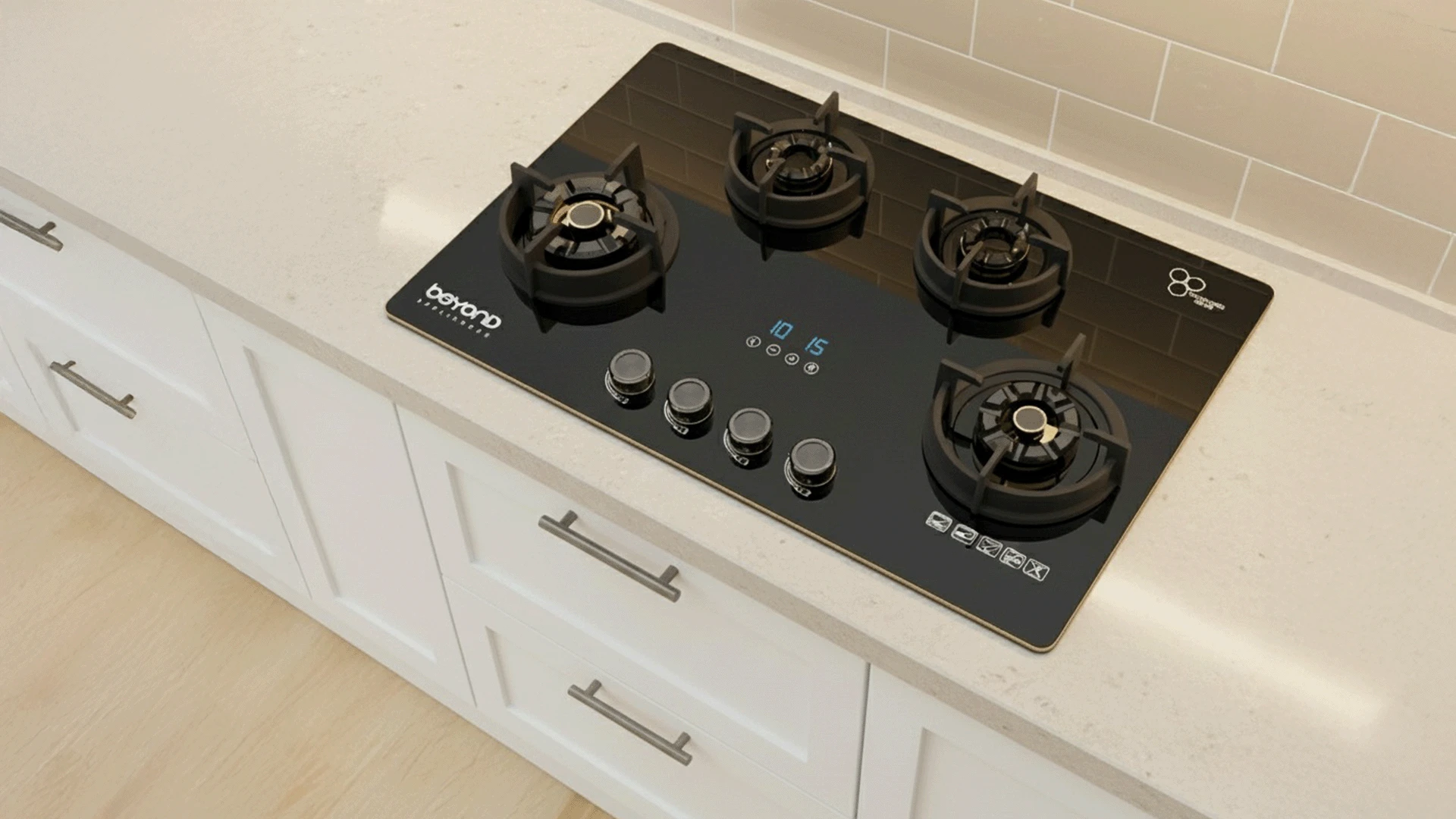
Stainless steel gas hobs combine contemporary aesthetics with practical benefits. They resist corrosion, clean easily, and complement modern kitchen designs while maintaining all the functional advantages of gas cooking. Glass-on-gas hobs represent the latest evolution in gas cooking technology. These models feature tempered glass surfaces with integrated gas burners, offering sleek appearances that rival electric cooktops while preserving gas cooking benefits.
Gas hobs come in various burner configurations from compact two-burner models for small kitchens to expansive five-burner units for serious cooking enthusiasts. Specialty burners like high-output wok burners and ultra-low simmer burners address specific cooking requirements.
Gas hob safety requires attention to proper installation, regular maintenance, and safe operating procedures. Following established safety guidelines protects your family while ensuring optimal appliance performance. Before cooking with gas hob, always check for gas leaks using soapy water around connections. Bubbling indicates leaks that require immediate professional attention. Ensure adequate ventilation in your cooking area to prevent gas accumulation and provide fresh air for complete combustion.
Always light gas hobs using proper techniques. Turn on the gas while simultaneously activating the ignition system to minimize unburned gas accumulation. Never leave cooking unattended, especially when using high heat settings or cooking foods that might boil over.
Know how to quickly shut off gas supply in emergencies. The main gas valve should be easily accessible and clearly marked. If you smell gas, immediately turn off all flames, avoid electrical switches, ventilate the area, and contact your gas supplier.
Maintaining gas hob components ensures safe operation, extends appliance life, and maintains cooking performance. Regular cleaning and inspection prevent most common problems while identifying issues before they become serious. Daily maintenance involves wiping surfaces clean and removing food spills promptly. Remove burner caps and drip trays for thorough cleaning with warm soapy water. Avoid harsh chemicals that might damage finishes or leave residues that could affect gas flow.
Troubleshooting gas hob problems often involves simple cleaning or adjustment procedures. Yellow flames typically indicate insufficient air supply or dirty burner components. Clean burner ports with fine wire or compressed air to restore proper gas flow patterns. Ignition problems usually stem from dirty spark electrodes or moisture around ignition components. Clean electrodes with dry cloth and ensure burner areas remain dry. If problems persist, professional service may be required to replace worn ignition components.
Schedule annual professional inspections to verify gas connections, test safety systems, and calibrate burner performance. Professional technicians can identify wear patterns and potential issues before they compromise safety or performance.
Gas hobs consist of gas supply lines, control valves, burner assemblies, ignition systems, safety devices like thermocouples, pan supports, and the main hob surface. Each component works together to provide safe and controlled cooking heat.
Most modern gas hobs use piezo ignition systems that generate electrical sparks when you press or turn the control knob. This spark ignites the gas-air mixture at the burner, eliminating the need for matches or pilot lights.
Yellow flames indicate incomplete combustion, usually caused by insufficient air supply or dirty burner components. Clean the burner ports and ensure adequate ventilation. Blue flames indicate proper combustion and optimal heat transfer.
Clean your gas hob after each use by wiping surfaces and removing spills. Perform deep cleaning weekly by removing and washing burner caps, drip trays, and pan supports. This prevents grease buildup and maintains optimal performance.
If you smell gas, immediately turn off all burners and the main gas supply. Don't use electrical switches or create sparks. Ventilate the area and contact your gas supplier or emergency services. Never ignore gas odors.
Gas hobs work with most cookware materials including stainless steel, cast iron, aluminum, and copper. Ensure cookware has flat bottoms for stable placement and efficient heat transfer. Avoid extremely lightweight pans that might tip easily.
Understanding how gas hob works empowers you to make informed decisions about cooking appliances and maintain your equipment properly. Gas hobs offer immediate heat control, work during power outages, and provide the precise temperature management that serious cooks prefer. Regular maintenance, proper safety practices, and understanding your appliance's components ensure years of reliable cooking performance. Whether you're upgrading your kitchen or troubleshooting existing equipment, this knowledge helps you maximize your gas hob's potential while maintaining safety standards.
