
Complete Guide: Chimney Installation in Modular Kitchens
Cart
Your cart is empty
Installing a kitchen chimney in your modular kitchen is one of the most important decisions for maintaining a healthy and comfortable cooking environment. Modern modular kitchens demand efficient ventilation systems that not only remove smoke and odors but also complement the sleek design aesthetics. A well-installed chimney transforms your cooking experience by ensuring proper air circulation and protecting your kitchen from grease buildup. Whether you're planning a new modular kitchen or upgrading your existing setup, understanding the installation process helps you make informed decisions that enhance both functionality and style.
A kitchen chimney serves as the heart of your kitchen ventilation system, designed to extract smoke, steam, and cooking odors directly from your cooking area. In modular kitchen design, chimneys play a dual role - they function as essential appliances while contributing to the overall aesthetic appeal of your kitchen space. Modular kitchens require specialized chimney solutions because of their streamlined layouts and integrated appliance systems. Unlike traditional kitchens, modular designs demand precise measurements and coordinated installation to maintain the seamless appearance. The kitchen exhaust system in modular setups must work efficiently within confined spaces while complementing the cabinet design and color schemes. Healthy kitchen living depends significantly on proper ventilation. Poor air quality from cooking fumes can lead to respiratory issues and create an uncomfortable environment. A well-functioning chimney removes harmful particles, excess moisture, and strong odors, ensuring your kitchen remains fresh and breathable. This becomes especially important in modern homes where kitchens often connect directly to living spaces. The benefits of installing a quality kitchen chimney extend beyond air purification. These appliances protect your modular kitchen cabinets from grease deposits, prevent wall discoloration, and maintain the longevity of your kitchen surfaces. Additionally, proper ventilation helps regulate temperature, making cooking more comfortable during hot weather.
Choosing the right type of kitchen chimney depends on your modular kitchen layout, cooking habits, and ventilation requirements. Understanding different chimney types helps you select the most suitable option for your specific needs.
Ducted chimneys connect to external venting systems, providing superior smoke and odor removal by directing air outside your home. These systems work best for heavy cooking and offer maximum efficiency in removing cooking fumes. However, ducted installations require external wall access and proper ductwork planning. Ductless chimney systems use advanced filtration technology to clean air before recirculating it back into your kitchen. These chimneys work well in apartments or homes where external ducting isn't feasible. Modern ductless models feature multiple filter layers, including charcoal filters for odor removal and baffle filters for grease separation.
Auto clean chimney models feature innovative technology that reduces maintenance requirements significantly. These chimneys use heat mechanisms to break down grease and oil particles, making cleaning effortless. The auto-clean function activates periodically, ensuring optimal performance without manual intervention. These advanced systems work particularly well in busy kitchens where regular maintenance might be challenging. The technology extends filter life and maintains consistent suction power, making them ideal for modular kitchen installations where accessibility might be limited.
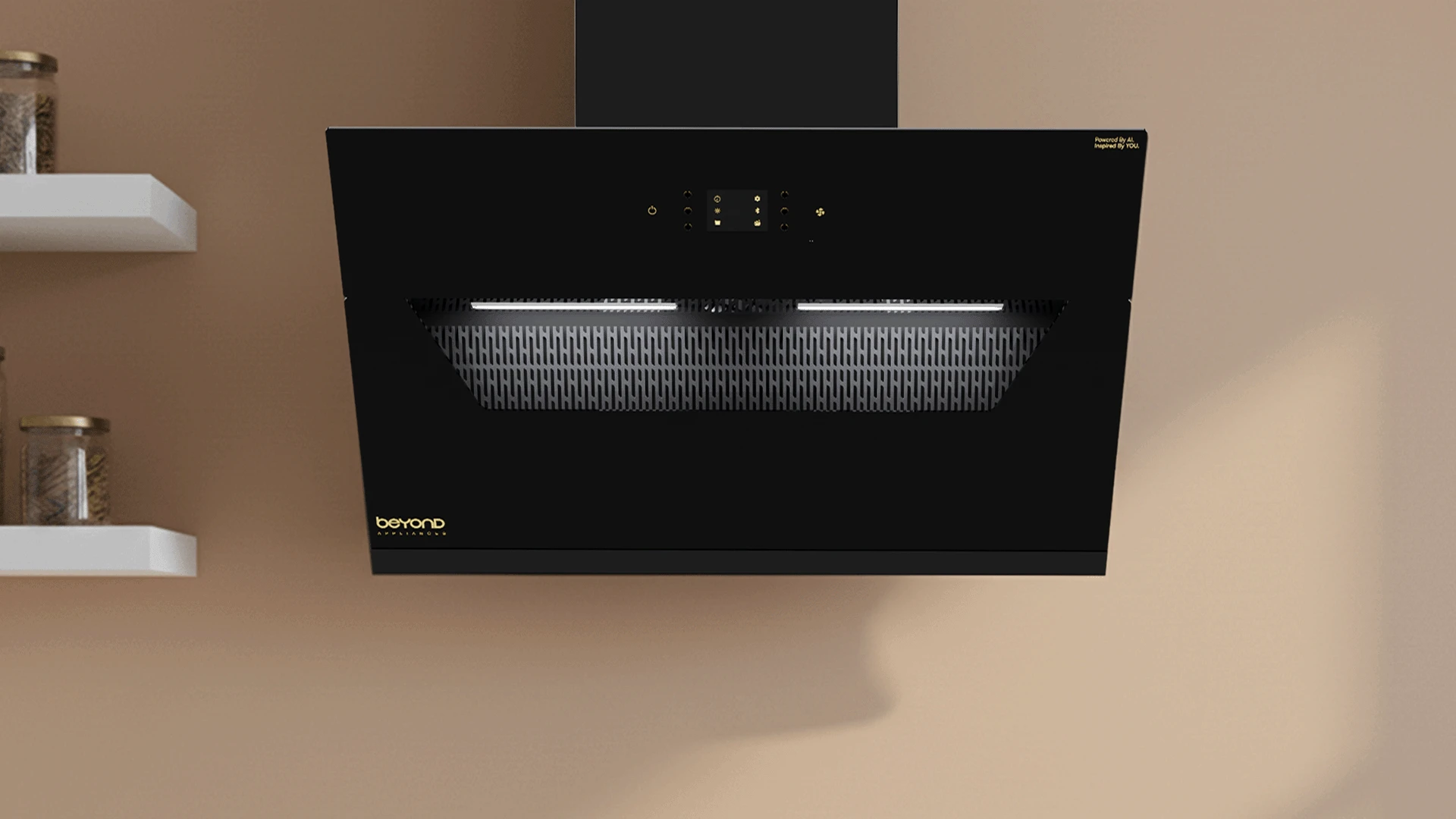
Wall-mounted chimneys attach directly to the wall above your cooktop, making them perfect for straight-line modular kitchen layouts. These models offer excellent suction power and come in various widths to match your hob size. Island chimneys suspend from the ceiling, ideal for kitchen islands or central cooking areas. These statement pieces combine functionality with dramatic visual appeal, becoming focal points in open-plan modular kitchens. Built-in chimneys integrate seamlessly into overhead cabinets, maintaining the clean lines essential to modular kitchen design. These models hide completely when not in use, preserving the minimalist aesthetic many homeowners prefer.
Understanding chimney installation costs helps you budget effectively for your modular kitchen project. Installation expenses vary based on chimney type, complexity, and additional requirements specific to your kitchen layout. Basic chimney installation typically costs between INR 700 to INR 2,000 for standard wall-mounted models in straightforward setups. This includes mounting brackets, basic electrical connections, and simple ductwork if required. Professional installation ensures proper alignment and safety compliance. Complex installations involving island chimneys, extensive ductwork, or electrical modifications can range from INR 2,500 to INR 5,000. These projects often require additional materials, specialized mounting systems, and more labor time. Ceiling-mounted installations generally cost more due to structural considerations and accessibility challenges. Additional expenses include ductwork materials (INR 500-1,500), electrical work for new circuits (INR 800-2,000), and specialized mounting hardware (INR 300-800). Some installations may require wall modifications or cabinet adjustments, adding to overall costs. Professional installation offers significant advantages over DIY approaches, including warranty coverage, safety compliance, and optimal performance. While DIY installation might save money initially, improper installation can lead to safety hazards and reduced chimney efficiency.
Proper chimney installation requires careful planning and precise execution to ensure optimal performance and safety. Following systematic installation procedures guarantees your chimney functions effectively within your modular kitchen design. Pre-installation planning begins with accurate measurements of your cooking area and available wall space. Measure the distance between your hob and overhead cabinets to determine optimal chimney placement. Check electrical requirements and plan circuit routing to avoid interference with existing kitchen systems.
Position your chimney 26 to 32 inches above your cooktop for maximum efficiency. This distance ensures effective smoke capture while providing adequate clearance for cooking activities. Mark mounting points on the wall, ensuring they align with wall studs for secure installation. Install mounting brackets using appropriate wall anchors rated for your chimney's weight. Most kitchen chimneys weigh between 8-15 kg, requiring robust mounting systems. Ensure brackets are level and properly spaced according to manufacturer specifications.
Connect electrical supply following local electrical codes and manufacturer guidelines. Most chimneys require dedicated 15-amp circuits with proper grounding. Install appropriate switches within easy reach of the cooking area for convenient operation. For ducted systems, install ductwork routing air to external vents. Use smooth, rigid ducting where possible to minimize airflow resistance. Seal all connections properly to prevent air leaks that reduce efficiency. Complete installation by testing all functions, including lighting, fan speeds, and auto-clean features if applicable. Verify proper airflow and check for unusual noises or vibrations that might indicate installation issues.
Regular maintenance ensures your kitchen chimney continues operating efficiently throughout its lifespan. Proper care prevents performance degradation and extends the life of your investment. Cleaning schedules depend on your cooking frequency and food types. Heavy cooking requires monthly filter cleaning, while moderate use allows quarterly maintenance. Auto clean chimney models require less frequent manual cleaning but still need periodic filter replacement.
Baffle filters require regular washing with warm soapy water to remove grease buildup. These metallic filters are dishwasher-safe and should be cleaned every 2-3 weeks for optimal performance. Inspect filters regularly for damage or excessive wear. Charcoal filters in ductless systems need replacement every 3-6 months depending on usage. These filters cannot be cleaned and must be replaced to maintain odor removal effectiveness. Keep spare filters available to ensure continuous operation.
Schedule professional maintenance annually to inspect internal components, motor performance, and electrical connections. Professional technicians can identify potential issues before they become costly problems and ensure your chimney operates at peak efficiency. Signs requiring immediate attention include unusual noises, reduced suction power, excessive vibration, or electrical issues. Address these problems promptly to prevent damage and maintain safe operation.
Place your kitchen chimney 26-32 inches above your cooktop for optimal performance. This distance ensures effective smoke capture while providing safe clearance for cooking activities. Align the chimney center with your hob center for maximum efficiency.
Chimney installation costs range from INR 700 for basic wall-mounted installations to INR 5,000 for complex setups requiring extensive ductwork or electrical modifications. Additional costs include materials, permits, and any necessary structural modifications.
Ducted chimneys vent air outside through ductwork, providing superior odor and smoke removal. Ductless chimneys filter and recirculate air using charcoal and baffle filters, making them suitable for apartments or homes without external venting options.
While possible, professional installation is recommended for safety and warranty coverage. DIY installation requires electrical knowledge, proper tools, and understanding of local building codes. Improper installation can create safety hazards and void manufacturer warranties.
Select chimney width based on your cooktop size. 60cm chimneys suit 2-4 burner hobs, while 90cm models work best with larger cooking surfaces. Consider your kitchen size and cooking habits when determining suction power requirements.
Regular maintenance includes cleaning filters every 2-3 weeks, replacing charcoal filters every 3-6 months, and annual professional inspections. Auto clean chimneys require less frequent manual cleaning but still need filter replacement and periodic professional service.
Successful chimney installation in modular kitchens requires careful planning, proper product selection, and professional installation. Understanding different chimney types helps you choose the best option for your specific needs and kitchen layout. Budget for installation costs ranging from INR 700 to INR 5,000 depending on complexity and additional requirements. Proper placement at 26-32 inches above your cooktop ensures optimal performance and safety. Regular maintenance, including filter cleaning and professional inspections, keeps your chimney operating efficiently for years. Whether you choose ducted or ductless systems, auto clean technology, or traditional models, proper installation and maintenance create a healthier, more comfortable cooking environment in your modular kitchen.
