

Chimney Installation: Complete Process Guide FAQ
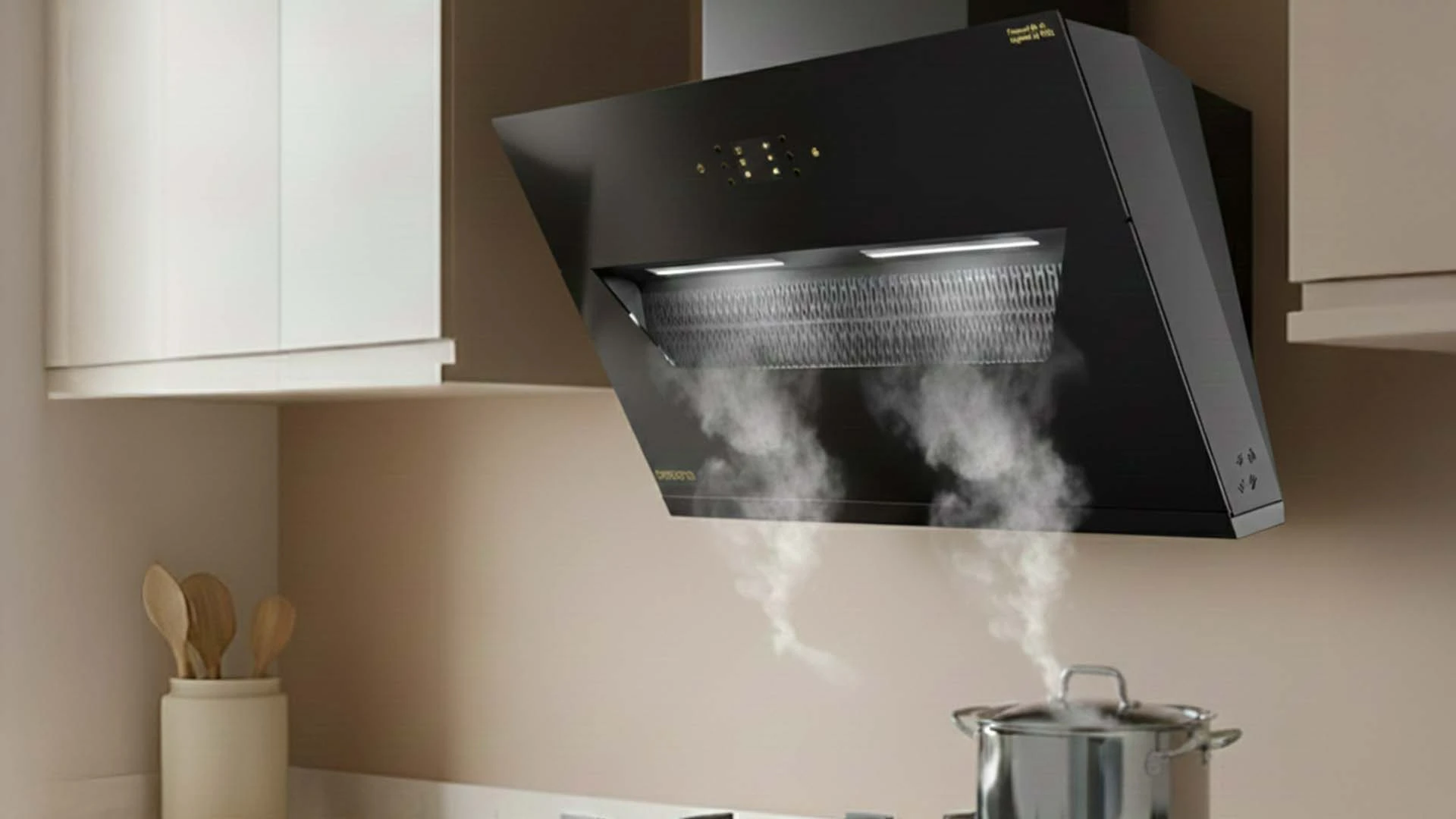
Installing a chimney requires careful planning, proper tools, and attention to safety standards. Whether you're setting up a kitchen chimney for cooking or a fireplace chimney for heating, understanding the complete chimney installation process steps ensures optimal performance and safety. This comprehensive guide covers everything from initial planning to final testing, helping you make informed decisions about your chimney installation project.
Chimney installation involves more than simply mounting a unit to your wall or roof. The process varies significantly between kitchen chimneys and fireplace chimneys, each requiring specific components and installation techniques. Kitchen chimneys, including Android chimneys, T-shaped chimneys, and curved chimneys, focus on removing cooking smoke, grease, and odors. These systems typically connect to external venting or use recirculation technology in ductless models. Fireplace chimneys require more complex chimney construction with proper flue installation and structural support.
Every chimney system includes essential components that work together for effective operation. The chimney flue serves as the main pathway for smoke and gases. A chimney liner protects the flue structure and improves draft efficiency. Proper chimney venting ensures adequate airflow and prevents backdraft issues.
Most areas require permits for chimney installation, especially for fireplace systems. Local building codes specify minimum clearances, height requirements, and structural support standards. Professional installation often provides warranty coverage and ensures compliance with safety regulations.
Successful chimney installation begins with thorough planning and preparation. Proper location selection affects both performance and aesthetics, while careful measurement prevents costly mistakes during installation. For kitchen chimney installation, consider the cooking area layout, cabinet placement, and available wall space. The chimney should be positioned directly above the cooking surface for maximum efficiency. Measure the distance between wall studs and mark mounting points accurately.
Fireplace chimney construction follows the 3-2-10 rule: the chimney must extend at least 3 feet above the roof penetration point and 2 feet higher than any structure within 10 feet horizontally. This ensures proper draft and prevents downdrafts.
Gather all necessary tools before beginning installation. Basic requirements include drill with masonry bits, level, measuring tape, screwdrivers, and safety equipment. Specific materials depend on your chimney type but typically include mounting brackets, ductwork, electrical connections, and weatherproofing materials.
Kitchen chimney installation follows a systematic approach that ensures proper mounting, ventilation, and electrical connections. The process typically takes 2-4 hours depending on complexity and ductwork requirements. Begin by selecting the appropriate chimney size for your cooking area. Standard widths range from 60cm to 120cm, with the chimney extending slightly beyond the cooktop edges for optimal coverage.
Mark mounting holes using the provided template, ensuring the chimney will be level and properly positioned. Drill holes into wall studs or use appropriate anchors for your wall type. Install mounting brackets securely, checking alignment with a level.
For ducted models, connect the chimney pipe installation to external venting. Route ductwork through the shortest path possible, minimizing bends that reduce airflow efficiency. Seal all connections with appropriate tape or clamps to prevent air leaks.
Connect electrical wiring according to manufacturer specifications and local electrical codes. Test all functions including fan speeds, lighting, and any smart features. Ensure proper grounding and circuit protection.
Fireplace chimney installation requires more extensive construction work compared to kitchen installations. The process involves structural modifications, proper flue sizing, and weatherproofing considerations. Chimney construction materials include traditional brick and mortar, metal prefabricated systems, or modern insulated chimney systems. Each option offers different benefits in terms of cost, installation complexity, and performance.
Proper flue sizing is critical for safe operation. The flue cross-sectional area should be approximately 1/10th of the fireplace opening area. Wood stove chimney installations require specific clearances and may need double-wall or insulated chimney pipe.
Roof penetration requires careful sealing to prevent water infiltration. Install proper flashing around the chimney base and use high-quality sealants designed for roofing applications. Consider adding a chimney cap to prevent rain and debris entry.
Chimney installation projects often encounter unexpected challenges that require creative solutions. Understanding common issues helps you prepare for potential complications and avoid costly delays. Structural limitations may prevent ideal chimney placement, requiring alternative routing or additional support. Ductwork routing problems occur when walls contain plumbing, electrical, or HVAC systems that block the intended path.
Insufficient electrical capacity may require circuit upgrades for high-powered chimney models. Poor ventilation can result from inadequate ductwork sizing, excessive bends, or blocked external vents. Regular maintenance prevents many performance issues.
Chimney installation costs vary significantly based on system type, complexity, and local labor rates. Kitchen chimney installation typically costs between INR 2,000 to INR 8,000 for professional installation, while fireplace chimney construction can range from INR 50,000 to INR 2,00,000 or more. DIY installation saves labor costs but requires proper tools, skills, and time investment. Professional installation provides warranty coverage, ensures code compliance, and often includes extended service support.
Basic kitchen chimney models start around INR 5,000, while premium units with advanced features cost INR 30,000 or more. Installation materials including ductwork, brackets, and electrical components typically add INR 1,000 to INR 5,000 to the total project cost.
Kitchen chimney installation typically takes 2-4 hours for standard installations. Complex ductwork or electrical modifications may extend the timeline. Fireplace chimney construction can take several days depending on the system type and structural requirements.
Kitchen chimney installation rarely requires permits unless electrical modifications are needed. Fireplace chimney installation typically requires building permits and inspections to ensure code compliance and safety standards.
Ductless chimney installation is generally easier than ducted models since no external venting is required. Basic electrical knowledge and proper tools allow most homeowners to complete the installation safely.
The 3-2-10 rule applies to fireplace chimneys: extend at least 3 feet above the roof penetration, 2 feet higher than any structure within 10 feet horizontally. This ensures proper draft and prevents downdrafts.
Regular cleaning of filters and external surfaces maintains optimal performance. Annual professional inspections for fireplace chimneys ensure safe operation. Replace filters as recommended and check ductwork connections periodically.
Basic tools include drill with appropriate bits, level, measuring tape, screwdrivers, and safety equipment. Specific requirements vary by installation type, with fireplace installations requiring more specialized tools.
Proper chimney installation requires careful planning, appropriate tools, and attention to safety standards. Kitchen chimney installation focuses on effective ventilation and secure mounting, while fireplace systems require more complex construction and code compliance. Professional installation ensures warranty coverage and optimal performance, though DIY installation is possible for simpler kitchen chimney projects. Regular maintenance and proper operation extend chimney life and maintain safety standards.
