

Chimney Filter Checklist: Baffle vs Cassette Guide
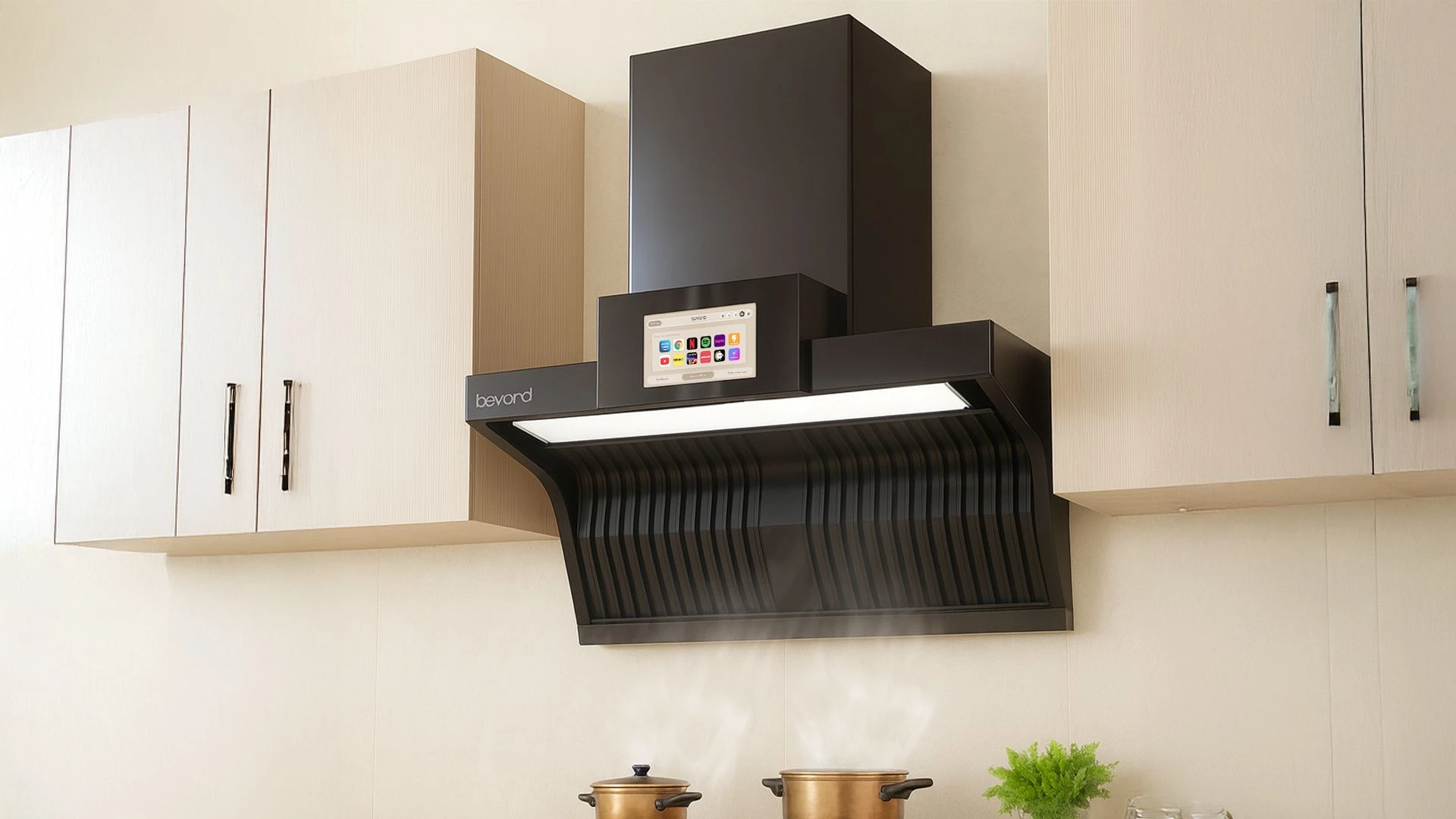
Choosing the right chimney filter can make or break your kitchen ventilation system. With grease, smoke, and cooking odors constantly challenging your range hood, understanding the difference between baffled filter vs cassette filter in chimneys becomes crucial for every homeowner. Modern kitchens demand efficient filtration that keeps air clean while handling daily cooking demands. The filter you choose affects everything from air quality to maintenance costs, making this decision more important than many realize.
Chimney filters serve as the first line of defense against grease, smoke, and cooking particles in your kitchen. These essential components determine how effectively your range hood removes contaminants from the air, directly impacting your cooking experience and indoor air quality.
Range hood filters capture grease particles and cooking vapors before they can circulate throughout your home. Without proper filtration, cooking residues settle on surfaces, creating cleaning challenges and potential health concerns. Quality filters also protect your chimney's internal components from grease buildup, extending the system's lifespan and maintaining optimal performance.
Baffle filters feature curved metal panels that create turbulent airflow patterns, while cassette filters use mesh or perforated materials for straightforward filtration. Baffle filters typically cost between INR 2,000-5,000, whereas cassette filters range from INR 500-1,500. Both types serve the same basic function but employ different technologies to achieve grease separation.
Baffle filters represent the premium standard in kitchen ventilation technology. Their sophisticated design makes them the preferred choice for serious home cooks and professional-grade installations.
The curved panels in baffle filters force air to change direction multiple times, creating centrifugal force that separates grease particles from the airstream. This multi-directional flow pattern ensures maximum contact between contaminated air and the filter surface. Stainless steel filters provide durability and resist corrosion, maintaining their effectiveness over years of use.
Baffle filters deliver superior performance with several key benefits: • Grease extraction efficiency reaches 85-95%, significantly higher than alternatives • Dishwasher-safe construction allows thorough, convenient cleaning • Long-term durability reduces replacement costs over time • Professional kitchen standard ensures reliable performance • Minimal airflow restriction maintains chimney suction power
Despite their advantages, baffle filters have some considerations. The higher initial investment may deter budget-conscious buyers. Heavy-use kitchens require more frequent cleaning to maintain peak performance. Proper installation becomes critical for achieving advertised efficiency levels.
Cassette filters offer an accessible entry point into effective chimney maintenance without breaking the budget. Their straightforward design appeals to homeowners seeking simple, functional filtration.
Mesh-based construction allows air to pass through while trapping larger grease particles. Available in aluminum or stainless steel variants, cassette filters rely on direct interception rather than complex airflow patterns. The simple design makes them compatible with most range hood models and easy to replace when needed.
Cassette filters provide practical advantages for many households: • Budget-friendly pricing makes them accessible to all homeowners • Easy replacement process requires no special tools or expertise • Lightweight design simplifies handling and installation • Wide compatibility works with most chimney models • Quick availability ensures minimal downtime during replacements
The trade-offs include lower filtration efficiency at 60-75% and more frequent replacement needs. Grease buildup occurs faster, potentially affecting chimney performance. Limited professional-grade capabilities make them less suitable for heavy cooking environments.
Direct comparison reveals significant differences between these chimney filter types. Understanding these distinctions helps homeowners make informed decisions based on their specific needs and cooking habits.
Baffle filters consistently outperform cassette alternatives in laboratory testing. Grease capture rates show baffle filters removing 85-95% of particles, while cassette filters achieve 60-75% efficiency. Particle size filtration capabilities favor baffle designs for smaller contaminants. Airflow resistance measurements indicate baffle filters maintain better suction over time.
Filter cleaning schedules vary significantly between types. Baffle filters need cleaning every 2-4 weeks but can be thoroughly cleaned in dishwashers. Cassette filters require replacement every 3-6 months, depending on usage intensity. Long-term maintenance costs often favor baffle filters despite higher initial investment.
Baffle filters typically last 3-5 years with proper maintenance, while cassette filters need replacement every 6-12 months. Material degradation affects cassette filters more rapidly due to their mesh construction. Cost per year calculations often show baffle filters providing better value over extended periods.
Selecting between baffle and cassette filters requires careful consideration of your specific kitchen environment and cooking patterns. The right choice depends on multiple factors beyond just initial cost.
Cooking frequency directly impacts filter performance requirements. Heavy frying and grease-intensive cooking favor baffle filters for superior capture efficiency. Family size and kitchen traffic influence how quickly filters become saturated. Consider your typical cooking methods when evaluating filtration needs.
Initial cost comparison shows cassette filters winning on upfront investment. However, long-term value analysis reveals baffle filters often cost less over 3-5 years. ROI calculations depend on cooking frequency and maintenance diligence. Consider total ownership costs rather than just purchase price.
Size and mounting considerations affect filter selection options. CFM requirements must match filter capabilities for optimal performance. Brand-specific compatibility issues may limit choices for certain chimney models. Verify dimensions and mounting systems before making final decisions.
Proper installation and maintenance ensure optimal performance from either filter type. Following manufacturer guidelines and establishing regular cleaning schedules maximizes filtration efficiency and extends component lifespan.
Step-by-step installation begins with powering off the chimney system. Remove old filters carefully to avoid dropping grease particles. Install new filters according to directional arrows or manufacturer markings. Common mistakes include incorrect orientation and inadequate securing mechanisms.
Weekly visual inspections help identify when cleaning becomes necessary. Monthly deep cleaning maintains optimal performance for baffle filters. Quarterly assessments determine replacement timing for cassette filters. Professional cleaning services offer thorough maintenance for busy households.
Reduced suction performance often indicates clogged or saturated filters. Unusual noise or vibration suggests improper installation or damaged components. Grease dripping and persistent odors signal immediate filter attention requirements. Address issues promptly to prevent damage to chimney components.
Baffle filters offer superior grease filtration with 85-95% efficiency and longer lifespan, making them ideal for frequent cooking. Cassette filters provide budget-friendly convenience with 60-75% efficiency, suitable for light to moderate cooking needs.
Clean baffle filters every 2-4 weeks using dishwasher or warm soapy water. Replace cassette filters every 3-6 months depending on cooking frequency and grease production levels.
Yes, stainless steel baffle filters are dishwasher-safe. Use normal cycle without heated dry to prevent potential damage. Hand washing with degreasing detergent also works effectively.
Baffle filters cost INR 2,000-5,000 initially but last 3-5 years. Cassette filters cost INR 500-1,500 but need replacement every 6-12 months, making long-term costs comparable.
Yes, baffle filters excel in high-grease environments due to their superior separation technology and durability. Their 85-95% efficiency handles heavy cooking demands more effectively than cassette alternatives.
The choice between baffled filter vs cassette filter in chimneys ultimately depends on your cooking habits, budget considerations, and performance expectations. Baffle filters provide superior filtration efficiency and long-term value for serious cooks, while cassette filters offer affordable functionality for lighter kitchen use. Consider your specific needs, maintenance preferences, and total ownership costs when making this important decision. Both filter types can provide effective kitchen ventilation when properly selected, installed, and maintained according to manufacturer guidelines.
