
Built-In Hobs: Your Complete Buying Guide Explained
Cart
Your cart is empty
Choosing the right built-in hob transforms your cooking experience and kitchen functionality. Modern homemakers face countless options when selecting from the best built in hob options available today. Whether you're renovating your kitchen or building a new home, understanding different hob technologies helps you make an informed decision. This comprehensive guide covers everything from induction precision to gas flame control, helping you find the perfect cooking solution for your lifestyle and budget.
Built-in hobs offer seamless integration with your kitchen countertop, creating a sleek and modern appearance. Each technology brings unique advantages for different cooking styles and preferences.
Induction technology uses electromagnetic fields to heat cookware directly, offering exceptional precision and safety. The cooktop surface remains relatively cool while your pan heats rapidly and evenly. This hob energy efficiency reaches up to 90% heat transfer, significantly higher than traditional gas or electric options. Safety features include automatic pan detection, child locks, and immediate heat cessation when cookware is removed.
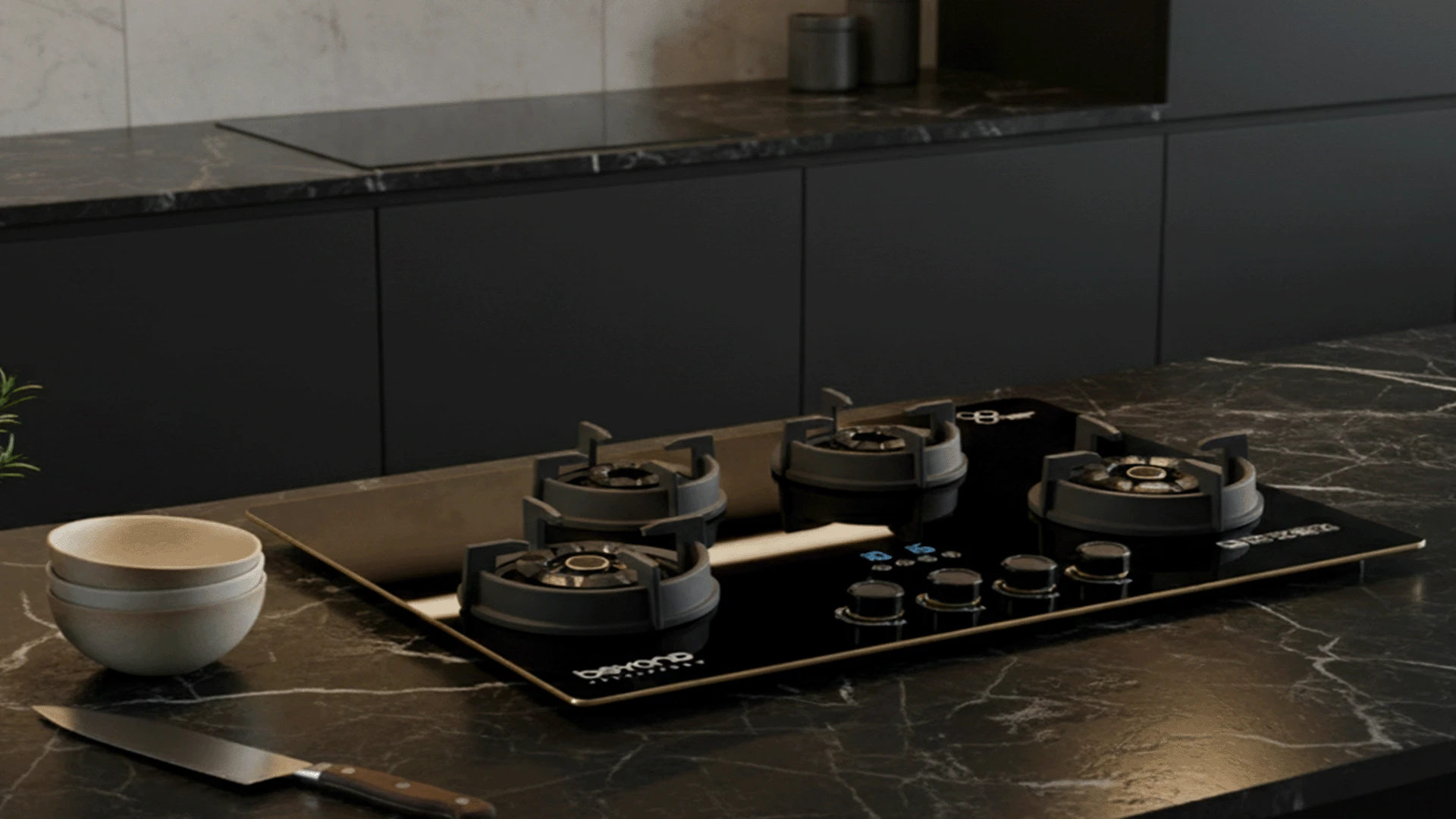
Gas hobs provide instant flame control and visual heat indication that many professional chefs prefer. The open flame allows for techniques like charring and wok cooking that other technologies cannot replicate. Gas hob installation requires proper ventilation and professional connection to gas lines, ensuring safety compliance with local regulations.
Ceramic hob benefits include smooth, easy-to-clean surfaces and consistent heat distribution. These hobs use radiant heating elements beneath tempered glass, offering precise temperature control. The flat surface integrates beautifully with modern kitchen designs while providing reliable cooking performance for everyday meals.
Selecting the right hob depends on your cooking habits, family size, and kitchen layout. Different configurations serve various household requirements effectively.
High-performance hobs feature powerful burners, precise controls, and durable construction materials. Professional-grade gas options offer BTU ratings exceeding 15,000 for rapid boiling and high-heat cooking. These modern kitchen cooktops often include specialized burners for different cooking techniques, from gentle simmering to intense searing.
Family kitchens benefit from hobs with comprehensive safety systems including child locks, residual heat indicators, and automatic shut-off functions. Multiple cooking zones accommodate simultaneous meal preparation while safety features provide peace of mind during busy cooking sessions.
Space-conscious designs maximize functionality within limited counter space. Two and three-burner configurations provide essential cooking capability while maintaining proportional aesthetics in smaller kitchens. These compact solutions often feature innovative layouts optimizing every inch of available space.
Energy-efficient hobs reduce utility costs while minimizing environmental impact. Understanding efficiency ratings helps you choose sustainable cooking solutions.
Induction hobs lead efficiency rankings with 85-90% energy transfer rates compared to gas hobs at 40-50% efficiency. Over five years, an efficient induction hob can save thousands of rupees in energy costs. Environmental benefits include reduced carbon emissions and lower overall energy consumption for household cooking needs.
Connected hobs offer Wi-Fi connectivity, smartphone controls, and preset cooking programs. Timer functions, automatic temperature adjustment, and energy monitoring help optimize cooking efficiency. These smart features align with modern lifestyle demands for convenience and precision.
Proper installation ensures safety, performance, and warranty compliance. Different hob types require specific technical requirements and professional expertise.
Gas installations must comply with safety regulations requiring certified technicians. Proper ventilation prevents gas accumulation while secure connections eliminate leak risks. Professional installation includes pressure testing, safety inspections, and compliance certification ensuring long-term safe operation.
Electric hobs require dedicated circuits with appropriate amperage ratings. Induction hobs typically need 32-amp circuits while ceramic hobs may require 25-30 amp capacity. Professional electricians ensure proper wiring, circuit protection, and safety compliance during installation.
Established manufacturers offer proven reliability, innovative features, and comprehensive warranty coverage. Brand reputation often reflects long-term satisfaction and service quality.
German and Italian brands lead innovation in hob technology, offering superior build quality and advanced features. These manufacturers typically provide extended warranties, comprehensive service networks, and cutting-edge design aesthetics that enhance kitchen value.
Reliable brands offer essential features without premium pricing, making quality hobs accessible to more households. These options provide dependable performance, basic safety features, and reasonable warranty coverage while maintaining affordability.
Regular maintenance extends hob lifespan while ensuring optimal performance. Different technologies require specific care approaches for best results.
Daily cleaning prevents buildup while protecting surfaces from damage. Induction hobs need gentle cleaning with non-abrasive products, while gas hobs require burner cap cleaning and flame port maintenance. Ceramic hob benefits include easy cleaning with specialized glass cleaners that maintain surface clarity.
Common problems include uneven heating, ignition failures, and control malfunctions. Simple troubleshooting often resolves minor issues while complex problems require professional service. Understanding warranty coverage helps determine when to seek professional assistance versus attempting DIY solutions.
Modern hobs support healthier cooking methods through precise temperature control and innovative features. Healthy cooking hob options promote nutritious meal preparation.
Precise heat control preserves vitamins and nutrients during cooking. Low-temperature techniques maintain food integrity while reducing oil requirements. Consistent heating prevents hot spots that can destroy nutritional content in vegetables and proteins.
Automatic shut-off prevents overcooking while even heat distribution reduces burning risks. Reduced emissions from efficient combustion or electric heating improve indoor air quality. Safety features create stress-free cooking environments supporting overall wellness.
Built-in hobs integrate seamlessly into countertops, offering a sleek appearance and space efficiency. Freestanding units include their own housing and can be moved more easily but may not match kitchen aesthetics as well.
Quality built-in hobs last 10-15 years with proper maintenance. Gas hobs often have longer lifespans due to simpler mechanisms, while induction hobs may require electronic component replacement after 8-12 years.
Electric hobs may allow DIY installation if you have electrical experience, but gas hobs always require professional installation for safety and legal compliance. Most manufacturers require professional installation to maintain warranty coverage.
Induction hobs offer the highest energy efficiency at 85-90% heat transfer. Gas hobs achieve 40-50% efficiency while ceramic hobs fall between 60-70%. Long-term energy savings often offset higher initial induction costs.
Standard hobs measure 60cm wide for most kitchens. Larger families or serious cooks may prefer 70-90cm models, while compact kitchens work well with 30-45cm units. Consider your cooking habits and available counter space.
Induction hobs require magnetic cookware including cast iron, stainless steel, and induction-compatible materials. Aluminum, copper, and glass cookware won't work unless they have magnetic bases. A simple magnet test determines compatibility.
Selecting from the best built in hob options requires balancing your cooking style, energy efficiency goals, and budget considerations. Induction hobs offer superior efficiency and safety, while gas provides traditional cooking control. Ceramic hobs balance modern aesthetics with reliable performance. Professional installation ensures safety and warranty compliance regardless of your choice. Consider long-term energy costs, maintenance requirements, and available features when making your final decision. The right hob investment enhances your cooking experience while adding value to your kitchen for years to come.
