
Baffle Filter vs Filterless Chimney: Pro Comparison
Cart
Your cart is empty
Choosing the right kitchen chimney for your home involves understanding the fundamental differences between baffle filter and filterless systems. Both technologies serve the same primary purpose of removing smoke, grease, and odors from your kitchen, but they achieve this through distinctly different mechanisms. For Indian kitchens, where heavy cooking with oils and spices is common, this choice becomes even more critical. The decision impacts not just your cooking experience but also long-term maintenance costs, cleaning efforts, and overall kitchen hygiene. Understanding these differences helps you make an informed choice that aligns with your cooking style, budget, and lifestyle preferences.
Modern kitchen chimneys use two primary filtration technologies, each designed to handle smoke and grease extraction differently. The choice between these systems significantly impacts your daily cooking experience and maintenance routine.
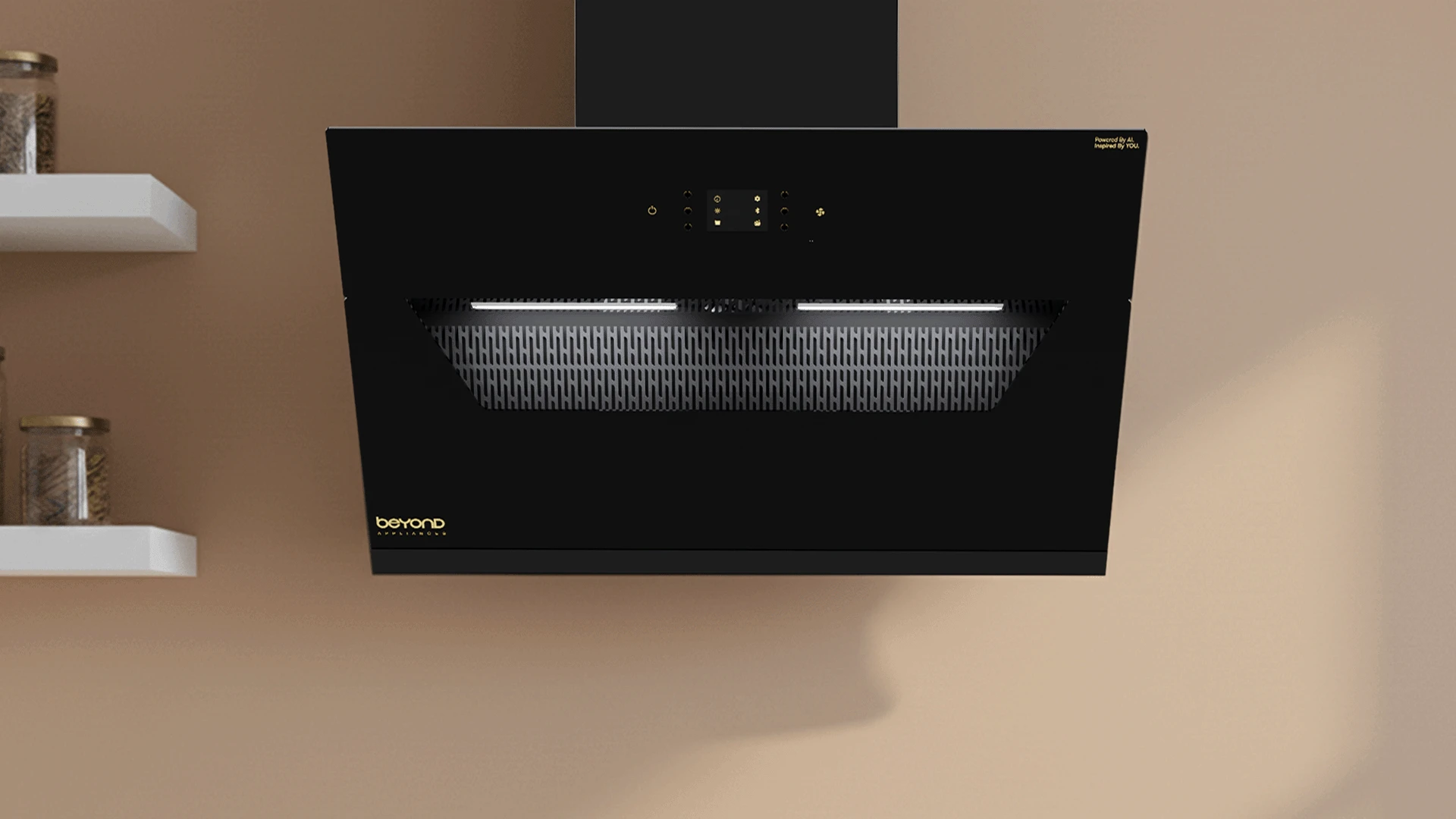
Baffle filter chimneys use a series of curved metal panels that create a maze-like path for air and grease particles. As air passes through these panels, the cut and splash technology separates grease from the airflow through centrifugal force. The curved design forces heavier grease particles to stick to the metal surfaces while allowing clean air to pass through. Most quality baffle filters are constructed from stainless steel, offering superior durability and corrosion resistance compared to aluminum alternatives.
Filterless chimneys eliminate traditional filters entirely, relying instead on high-speed motor rotation and centrifugal force to separate grease from air. The system directs grease particles into a collection tray while allowing clean air to exit. Many models feature auto-clean technology that periodically reverses motor direction to prevent grease buildup on internal components. This design protects the motor from direct grease contact while maintaining consistent suction power.
Baffle filter systems have long been the preferred choice for Indian kitchens due to their robust grease-handling capabilities. These systems excel in environments where heavy cooking with oils and spices occurs regularly.
Baffle filters offer superior grease trapping efficiency, often exceeding 95% effectiveness for heavy cooking applications. The multi-layered filtration provides excellent motor protection, preventing oil particles from reaching sensitive internal components. Cost-wise, baffle filter chimneys typically require lower initial investment compared to filterless alternatives. They work exceptionally well in ductless kitchen setups, making them versatile for various home configurations. The robust construction handles the demands of traditional Indian cooking methods, including high-heat frying and spice-intensive preparations.
The primary drawback involves manual cleaning requirements every 3-4 months for optimal performance. This maintenance process can be labor-intensive, requiring disassembly and thorough washing of filter components. Neglecting regular cleaning leads to reduced performance and potential motor strain. Over time, filter replacement costs add to the total ownership expense, though quality filters typically last 3-5 years with proper care.
Baffle filter chimneys prove ideal for households with heavy frying and spice-intensive cooking patterns. They excel in traditional Indian cooking environments where oil usage is substantial. Budget-conscious homeowners benefit from lower upfront costs and proven reliability. Commercial kitchen applications often prefer baffle systems for their durability and effective grease management.
Filterless technology represents the modern evolution of kitchen ventilation, prioritizing convenience and consistent performance. These systems appeal to homeowners seeking minimal maintenance solutions.
The most significant benefit is minimal maintenance requirements, typically involving only periodic oil tray emptying. Without filters to clog, these systems maintain consistent suction power throughout their lifespan. Auto-clean features reduce manual intervention, while the sleek design appeals to modern kitchen aesthetics. Long-term costs remain lower due to eliminated filter replacement needs. The technology dependency offers advanced features like timer controls and automatic operation modes.
Filterless systems require higher initial investment, often 30-50% more expensive than comparable baffle filter models. While maintenance is minimal, occasional motor cleaning may be necessary for optimal performance. These systems may struggle with very heavy cooking applications, particularly those involving excessive oil usage. The technology dependency can become a limitation if electronic components fail outside warranty periods.
Filterless chimneys suit households with light to moderate cooking patterns best. Modern kitchen designs benefit from their sleek appearance and advanced features. Convenience-prioritizing households appreciate the reduced maintenance burden. Tech-savvy users enjoy the automated features and smart controls available in premium models.
Direct comparison reveals distinct performance characteristics that influence the buying decision. Understanding these differences helps match the right technology to your specific needs.
Baffle filter systems demonstrate superior performance in heavy Indian cooking conditions, effectively handling high oil content and dense smoke. Their multi-stage filtration captures grease particles more effectively during intense cooking sessions. Filterless systems excel in moderate cooking environments but may allow some grease to reach the motor during extremely heavy usage. Both systems provide adequate smoke removal for typical household cooking, though baffle filters show slight advantages in challenging conditions.
Baffle filter maintenance involves quarterly cleaning sessions requiring 30-45 minutes of manual work. The process includes filter removal, washing, and reassembly. Filterless systems need only monthly oil tray emptying, taking 2-3 minutes. However, annual professional motor cleaning may be recommended for filterless units. Overall time investment favors filterless systems significantly, making them attractive for busy households.
Initial purchase prices show baffle filter chimneys costing INR 8,000-25,000, while comparable filterless models range from INR 12,000-35,000. Over five years, baffle systems may require filter replacement costing INR 2,000-4,000. Filterless systems eliminate replacement costs but may need professional servicing costing INR 1,500-3,000 annually. Energy consumption remains similar between both technologies. Total cost of ownership often balances out over extended periods, making initial budget and convenience preferences the deciding factors.
Selecting between baffle filter and filterless technology requires careful consideration of your specific cooking habits, kitchen setup, and lifestyle preferences. The right choice enhances your cooking experience while providing long-term value.
Evaluate your cooking frequency and intensity honestly. Heavy daily cooking with substantial oil usage favors baffle filter systems. Light to moderate cooking patterns work well with filterless technology. Consider your kitchen size and existing ventilation when determining capacity requirements. Indian cuisine cooking frequency directly impacts the optimal choice, with traditional cooking methods benefiting from baffle filter efficiency.
Balance upfront costs against long-term expenses when making your decision. Baffle filter systems offer lower initial investment but require ongoing maintenance costs. Filterless systems demand higher upfront payment but reduce long-term expenses. Consider your maintenance budget allocation and whether you prefer spreading costs over time or paying more initially for convenience.
Both technologies work effectively in ductless configurations, though ducted setups may enhance performance. Kitchen layout compatibility varies, with some designs favoring specific chimney types. Size and capacity selection should match your cooking area and typical usage patterns. Professional installation ensures optimal performance regardless of the chosen technology.
Proper maintenance extends chimney lifespan and ensures optimal performance throughout the ownership period. Understanding specific requirements for each technology helps maintain efficiency and prevents costly repairs.
Remove filters carefully and soak in warm water with degreasing detergent for 15-20 minutes. Use a soft brush to remove stubborn grease buildup, avoiding harsh scrubbing that might damage the metal surface. Rinse thoroughly and allow complete drying before reinstallation. Clean filters every 3-4 months for optimal performance, or more frequently during heavy cooking periods. Professional cleaning services can handle deep cleaning annually if preferred.
Empty the oil collection tray monthly or when it reaches 75% capacity. Clean the tray with warm soapy water and dry completely before reinstalling. Use the auto-clean function weekly to prevent grease accumulation on internal components. Schedule annual professional motor cleaning to maintain optimal performance and extend system lifespan. Monitor for unusual noises or reduced suction that might indicate maintenance needs.
Baffle filter chimneys excel in heavy Indian cooking due to superior grease trapping efficiency, while filterless systems offer convenience for moderate cooking patterns. Choose based on your cooking intensity and maintenance preferences.
Primary drawbacks include regular manual cleaning requirements every 3-4 months, labor-intensive maintenance, and potential performance reduction if cleaning is neglected. Filter replacement costs also add to long-term expenses.
Clean baffle filters every 3-4 months for optimal performance, or more frequently if you cook heavily with oils and spices. Regular cleaning prevents grease buildup and maintains suction efficiency.
Filterless chimneys justify higher costs through reduced maintenance time and elimination of filter replacement expenses. They're particularly valuable for busy households prioritizing convenience over initial savings.
Both systems offer similar lifespans of 8-12 years with proper maintenance. Baffle filter systems may require filter replacement every 3-5 years, while filterless systems need occasional motor servicing.
Filterless chimneys work adequately for moderate Indian cooking but may struggle with very heavy, oil-intensive preparations. Baffle filter systems handle extreme cooking conditions more effectively.
The choice between baffle filter and filterless chimney technology depends primarily on your cooking style, maintenance preferences, and budget considerations. Baffle filter systems excel in heavy cooking environments, offering superior grease management at lower initial costs but requiring regular maintenance. Filterless systems provide convenience and consistent performance with minimal upkeep, justifying higher upfront investment through reduced long-term maintenance needs. Consider your specific cooking patterns, available maintenance time, and budget allocation when making this important kitchen investment. Both technologies offer effective solutions when properly matched to user requirements and maintained according to manufacturer recommendations.
