

7 Ways Chimneys Enhance Your Cooking Comfort Zone
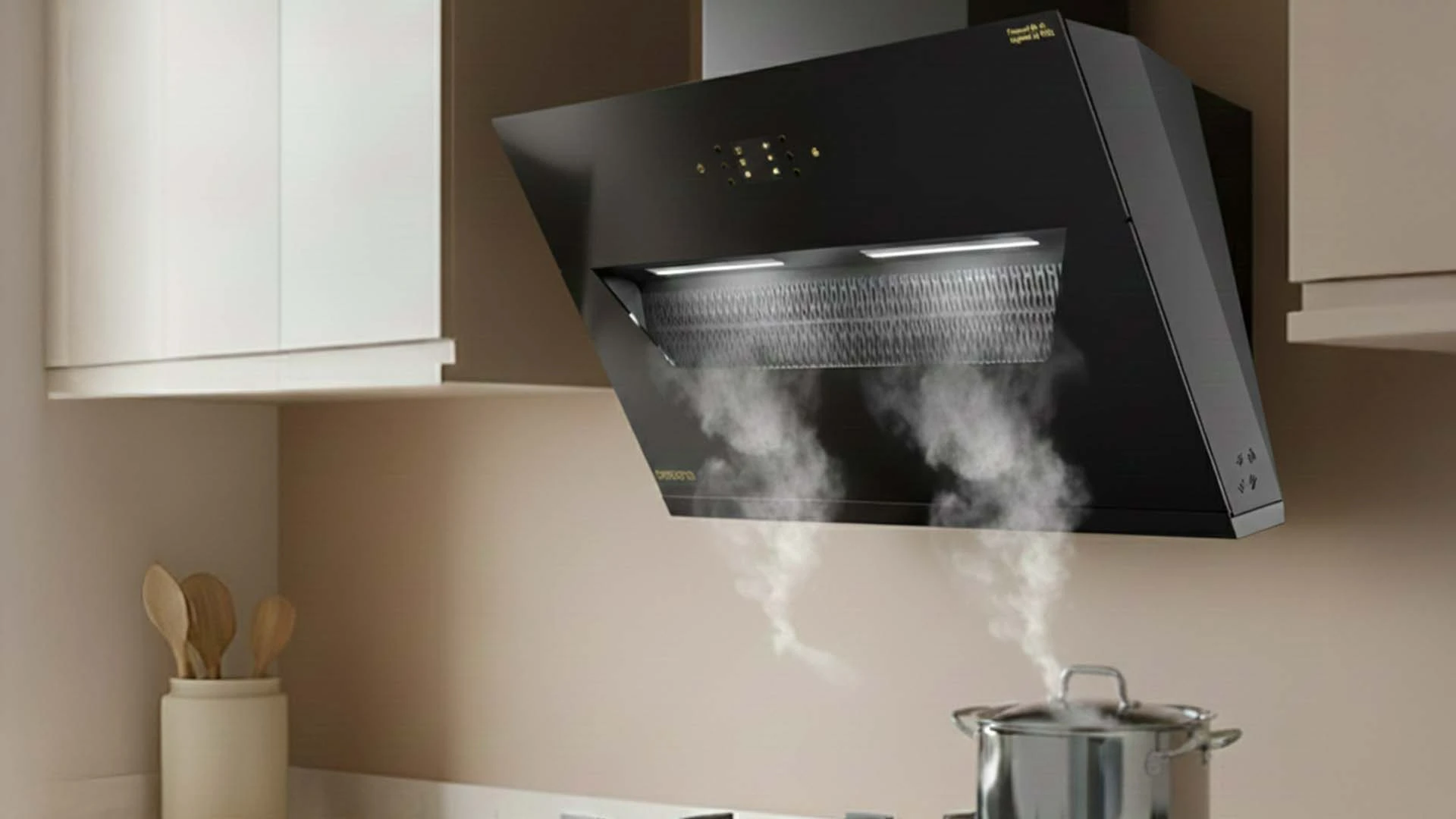
Modern kitchens have evolved far beyond basic cooking spaces into sophisticated culinary environments where comfort and functionality reign supreme. The question of can chimneys improve overall cooking comfort has become increasingly relevant as homemakers seek solutions that transform their daily cooking experience. A well-designed kitchen chimney serves as more than just a ventilation system—it creates a healthier, more enjoyable cooking environment that enhances every aspect of meal preparation. From eliminating stubborn cooking odors to maintaining optimal air quality, chimneys have proven to be game-changers in modern kitchen design.
Poor kitchen ventilation creates a cascade of problems that directly impact your cooking experience and overall well-being. When cooking generates steam, smoke, grease particles, and various airborne contaminants, these elements accumulate in your kitchen space, creating an uncomfortable and potentially unhealthy environment. Research indicates that indoor air pollution from cooking activities can be 2-5 times higher than outdoor pollution levels, particularly when frying or using high-heat cooking methods. The connection between proper ventilation and cooking performance extends beyond mere comfort. Without adequate air circulation, cooking becomes a challenging task where visibility decreases, temperatures rise uncomfortably, and lingering odors affect the entire home. A healthy kitchen environment requires consistent air exchange that removes harmful particles while maintaining optimal cooking conditions. Professional chefs understand this principle well—commercial kitchens invest heavily in ventilation systems because they recognize the direct correlation between air quality and culinary success.
Understanding how chimneys enhance cooking comfort requires examining specific benefits that directly impact your daily kitchen activities. Each advantage contributes to creating an environment where cooking becomes more enjoyable, efficient, and healthier for your family.
Cooking smoke removal represents one of the most immediate and noticeable benefits of installing a quality kitchen chimney. When smoke clouds your cooking area, it becomes difficult to monitor food preparation accurately, leading to overcooking, burning, or uneven results. Modern chimneys with powerful suction capabilities can remove up to 99% of cooking smoke within minutes, ensuring crystal-clear visibility throughout your cooking process. The effectiveness of smoke removal depends on chimney suction power, typically measured in cubic meters per hour. For average Indian cooking styles, chimneys with 1000-1200 m³/hr capacity provide excellent chimney benefits cooking by maintaining clear air even during heavy frying or grilling sessions.
Quality indoor air quality kitchen management extends far beyond removing visible smoke. Chimneys eliminate microscopic grease particles, steam, and various airborne contaminants that can accumulate in your respiratory system over time. This filtration process significantly reduces the risk of respiratory issues, allergies, and long-term health complications associated with prolonged exposure to cooking pollutants. Modern kitchen ventilation systems incorporate multi-layer filtration technology that captures particles as small as 0.3 microns. This comprehensive air cleaning ensures that your family breathes cleaner air while cooking and reduces the overall pollutant load in your home environment.
One of the most appreciated aspects of chimney installation is superior odor management. Quality chimneys eliminate 95-99% of cooking odors through a combination of powerful suction and advanced carbon filter technology. This capability becomes particularly valuable when preparing strong-smelling foods like fish, spices, or fried items that traditionally leave lingering aromas throughout the house. Reducing kitchen odors prevents these smells from migrating to living areas, bedrooms, and clothing, maintaining a fresh atmosphere throughout your home. This benefit proves especially important in open-plan homes where kitchen odors can quickly spread to other living spaces.
Understanding chimney draft for cooking involves recognizing how proper airflow dynamics enhance your cooking efficiency. Adequate chimney draft creates negative pressure that draws cooking byproducts away from your cooking surface, allowing for better heat distribution and more consistent cooking results. Proper chimney design for kitchens follows engineering principles that optimize airflow patterns. The ideal setup creates a smooth air current that captures cooking emissions at their source, preventing them from dispersing throughout the kitchen space.
Effective heat management represents a crucial but often overlooked benefit of quality kitchen ventilation. Chimneys help dissipate excess cooking heat, reducing kitchen temperatures by 5-10 degrees Celsius during intensive cooking sessions. This temperature control creates a more comfortable cooking environment, particularly during summer months or extended meal preparation periods. Cooking comfort solutions that address temperature management allow cooks to work longer without fatigue, improving both cooking quality and kitchen enjoyment. Professional-grade chimneys excel at managing heat loads from multiple burners operating simultaneously.
Controlling grease and moisture accumulation protects your kitchen surfaces, cabinets, and appliances from long-term damage. Without proper kitchen ventilation, grease particles settle on surfaces, creating sticky residues that attract dirt and require intensive cleaning efforts. Moisture control prevents mold and mildew growth, particularly important in humid climates where excess steam can create ideal conditions for fungal development. This protection extends the lifespan of kitchen materials and reduces maintenance requirements significantly.
Enhanced visibility directly correlates with improved cooking safety. When steam and smoke are efficiently removed, cooks can better monitor food preparation, reducing the risk of burns from hot vapors or accidents caused by poor visibility. This safety improvement becomes particularly important when working with high-temperature cooking methods or multiple dishes simultaneously. Quality kitchen ventilation systems create a professional cooking environment that supports better culinary techniques and safer food handling practices.
Selecting appropriate chimney design for kitchens requires understanding the differences between ducted and ductless systems, along with sizing considerations that match your cooking habits. Ducted chimneys provide superior performance by venting air outside, while ductless systems offer installation flexibility through recirculation and filtration. Size and suction capacity should align with your cooking frequency and methods. Heavy cooking requires higher capacity systems, typically 1200+ m³/hr, while moderate cooking needs can be met with 800-1000 m³/hr systems. Installation requirements vary significantly between chimney types, affecting both performance and cost considerations.
Yes, chimneys significantly enhance cooking comfort even in compact spaces. Modern slim-profile designs provide excellent ventilation without overwhelming small kitchens. The key lies in selecting appropriate suction capacity and installation type that matches your space constraints while delivering effective air quality management.
Kitchen chimney prices in India range from INR 8,000 for basic models to INR 50,000+ for premium systems. Mid-range chimneys offering excellent performance typically cost INR 15,000-25,000, providing optimal balance between features and affordability for most households.
Regular maintenance includes cleaning baffle filters monthly, replacing carbon filters every 3-6 months, and annual professional servicing. Proper maintenance ensures sustained performance and extends chimney lifespan while maintaining optimal cooking comfort solutions.
Modern chimneys accommodate various cooking styles, from light sautéing to heavy frying and grilling. Adjustable fan speeds allow customization based on cooking intensity, while powerful suction capabilities handle even the most demanding culinary techniques effectively.
The question of can chimneys improve overall cooking comfort has a resounding answer: absolutely. From superior smoke removal and odor control to enhanced air quality and temperature management, chimneys transform kitchens into comfortable, healthy cooking environments. The seven benefits outlined demonstrate how proper ventilation systems address multiple comfort factors simultaneously, creating spaces where cooking becomes more enjoyable and efficient. Investing in quality kitchen ventilation represents a commitment to both immediate cooking comfort and long-term family health, making it an essential component of any modern kitchen design.
