

7 Ways Chimneys Boost Indoor Air Quality Naturally
Modern homes face a growing challenge with indoor air pollution levels often exceeding outdoor air quality. While many homeowners invest in expensive air purifiers and complex ventilation systems, one of the most effective natural air purification methods has been quietly working in homes for centuries. Chimneys offer a powerful, energy-efficient solution that works around the clock to improve your home's air quality. Understanding how chimneys improve air quality can help you make informed decisions about your home's ventilation needs and create a healthier living environment for your family.
Chimneys function as sophisticated natural ventilation systems that harness basic physics principles to create continuous air exchange in your home. The science behind chimney air filtration involves the stack effect, where temperature differences between indoor and outdoor air create natural pressure differentials that drive air movement.
The stack effect occurs when warm indoor air rises through the chimney, creating negative pressure that draws fresh outdoor air into your home through windows, doors, and other openings. This natural circulation process operates continuously, providing fresh air exchange even when your fireplace is not in use. The height and design of your chimney directly influence the strength of this effect, with taller chimneys creating stronger draft forces.
Unlike mechanical systems that rely on filters and fans, chimneys use natural airflow patterns to separate particles from the air stream. The vertical design and internal structure create turbulence that causes heavier particles to settle out while lighter, cleaner air continues upward. This passive filtration system requires no electricity and operates silently, making it an ideal complement to other clean air solutions in your home.
The primary way chimneys enhance indoor air pollution control is through continuous natural draft creation. This process ensures that stale, contaminated air is constantly replaced with fresh outdoor air, preventing the buildup of harmful pollutants.
The chimney effect on air circulation begins with the basic principle that warm air is less dense than cool air. As indoor air heats up from cooking, body heat, and appliances, it naturally rises toward the ceiling and seeks an escape route through the chimney. This upward movement creates a vacuum effect that pulls fresh air into the home through lower openings, establishing a natural convection current that operates 24 hours a day.
Stagnant air becomes a breeding ground for bacteria, mold spores, and chemical pollutants. The continuous air movement created by chimney draft prevents air from becoming stagnant, reducing the concentration of harmful substances. This natural ventilation process is particularly effective at removing volatile organic compounds (VOCs) from household products, cooking odors, and excess moisture that can lead to mold growth.
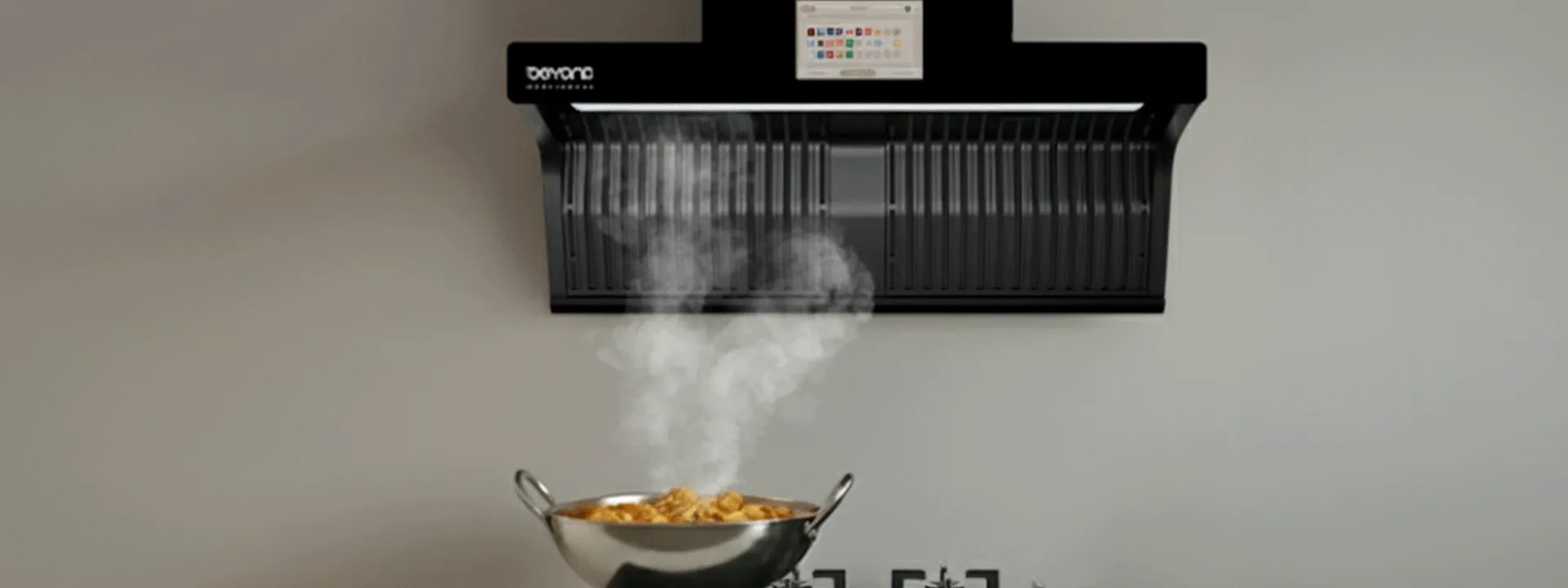
Kitchen ventilation represents one of the most critical applications for chimney-based air quality improvement. Cooking activities generate significant amounts of grease particles, smoke, steam, and chemical vapors that can severely impact indoor air quality without proper ventilation.
Strategically placed chimneys can capture cooking pollutants before they spread throughout your home. The natural updraft created by cooking heat enhances the chimney's effectiveness, creating a powerful extraction force that removes grease particles, combustion byproducts, and food odors directly from the cooking area. This source capture approach is far more efficient than trying to filter contaminated air after it has dispersed.
Beyond removing obvious cooking pollutants, chimney ventilation helps maintain optimal humidity levels in the kitchen by removing excess steam from cooking processes. This moisture control prevents condensation on surfaces, reduces the risk of mold growth, and creates a more comfortable cooking environment. The continuous air exchange also helps regulate kitchen temperatures, making the space more pleasant during extended cooking sessions.
Modern chimney designs incorporate sophisticated air purification methods that naturally filter airborne particles without requiring mechanical filters or electrical power. The internal structure and airflow patterns create multiple opportunities for particle separation and removal.
As air moves through the chimney system, changes in direction and velocity cause heavier particles to separate from the air stream through gravitational settling. The vertical design creates natural settling chambers where dust, pollen, and other particles can collect and be removed during regular maintenance. This passive filtration system is particularly effective for larger particles that pose respiratory risks.
For families dealing with allergies, chimney ventilation provides significant relief by continuously removing airborne allergens from the home environment. Pollen, pet dander, and dust mites are effectively captured and expelled, reducing the overall allergen load in your living spaces. This natural approach to allergen control works continuously without the noise and energy consumption of mechanical air purifiers.
Excess moisture in homes creates numerous health and structural problems, from mold growth to dust mite proliferation. Chimneys provide effective moisture control by facilitating continuous air exchange that prevents humidity buildup and maintains optimal indoor conditions.
Mold and mildew thrive in humid, stagnant environments. The continuous air movement created by chimney ventilation prevents these conditions by maintaining air circulation and removing excess moisture before it can condense on surfaces. This natural dehumidification process is particularly important in kitchens, bathrooms, and basements where moisture levels tend to be higher.
Proper humidity control through chimney ventilation contributes to overall respiratory health by maintaining indoor humidity levels between 30-50%, the optimal range for human comfort and health. This environment discourages the growth of bacteria, viruses, and other pathogens while preventing the dry air conditions that can irritate respiratory systems.
One of the most critical safety functions of chimney ventilation systems is the removal of toxic gases that can accumulate in homes. These invisible threats pose serious health risks and require continuous ventilation to maintain safe indoor air quality.
Carbon monoxide from gas appliances and volatile organic compounds from household products can reach dangerous concentrations without proper ventilation. Chimneys provide a natural escape route for these gases, preventing their accumulation to harmful levels. The continuous updraft ensures that even small amounts of these dangerous substances are quickly removed from living spaces.
Modern homes are built more tightly than ever before, which can trap pollutants inside without adequate ventilation. Chimneys provide a natural solution that works with your home's existing systems to maintain healthy air quality. This integration with other clean air solutions creates a comprehensive approach to indoor air management that addresses multiple pollution sources simultaneously.
Chimneys work synergistically with other ventilation systems to create comprehensive air quality management. Rather than competing with mechanical systems, chimneys enhance their effectiveness while reducing energy consumption and operating costs.
When properly integrated, chimneys can reduce the workload on HVAC systems by providing natural ventilation that supplements mechanical air exchange. This collaboration results in improved air quality, reduced energy consumption, and extended equipment life. The natural draft created by chimneys can also help balance air pressure throughout the home, improving the efficiency of forced-air systems.
While mechanical air purification systems require ongoing filter replacements and energy consumption, chimney-based ventilation operates without these recurring costs. The natural approach provides continuous operation without noise, maintenance requirements, or electrical consumption, making it an environmentally friendly and cost-effective long-term solution for air quality improvement.
Unlike seasonal ventilation solutions, chimneys provide consistent air quality benefits throughout the year. Understanding how to optimize chimney performance across different seasons helps maximize the improve indoor air potential of these natural systems.
During summer months, chimneys help remove hot air from upper levels of the home, reducing cooling costs and improving comfort. In winter, they continue to provide essential ventilation while working with heating systems to maintain air quality without excessive heat loss. Spring and fall transitions benefit from the natural air exchange that helps manage changing humidity levels and seasonal allergens.
To optimize chimney performance for air quality improvement, regular maintenance and proper operation are essential. This includes annual inspections, cleaning when necessary, and ensuring that dampers and other components function correctly. Professional assessment can identify opportunities to enhance performance and address any issues that might reduce effectiveness.
Yes, chimneys continue to provide ventilation benefits even when not actively used for fires. The natural draft effect operates continuously as long as there are temperature differences between indoor and outdoor air, providing ongoing air exchange and quality improvement.
Chimneys and air purifiers serve different but complementary functions. While air purifiers excel at filtering specific particles and contaminants, chimneys provide comprehensive air exchange that removes a broader range of pollutants while introducing fresh outdoor air. The combination of both systems often provides optimal results.
Chimney ventilation can significantly help with allergies by continuously removing airborne allergens like pollen, pet dander, and dust. The natural air exchange prevents these particles from accumulating indoors, reducing overall allergen exposure for sensitive individuals.
Regular chimney maintenance includes annual inspections, cleaning when necessary, and ensuring proper damper operation. Professional cleaning typically costs between INR 3,000-8,000 annually, depending on usage and local conditions. Proper maintenance ensures optimal air quality benefits and safe operation.
Potential drawbacks include heat loss during winter months and the possibility of introducing outdoor pollutants during high pollution days. However, these concerns can be managed through proper damper control and strategic operation based on outdoor air quality conditions.
Chimneys represent one of the most effective and sustainable approaches to improving indoor air quality naturally. Through continuous air exchange, natural filtration, moisture control, and toxic gas removal, these systems provide comprehensive air quality benefits that operate 24/7 without energy consumption or ongoing costs. Whether you're dealing with cooking pollutants, allergens, excess humidity, or general air quality concerns, understanding how chimneys improve air quality can help you create a healthier home environment. The integration of chimney ventilation with modern HVAC systems and other clean air solutions provides a holistic approach to indoor air management that benefits both your health and your wallet. Regular maintenance and proper operation ensure that these natural air purification systems continue to provide optimal benefits year-round, making them an invaluable component of any healthy home environment strategy.
