

7 Surprising Benefits of Kitchen Air Purifiers
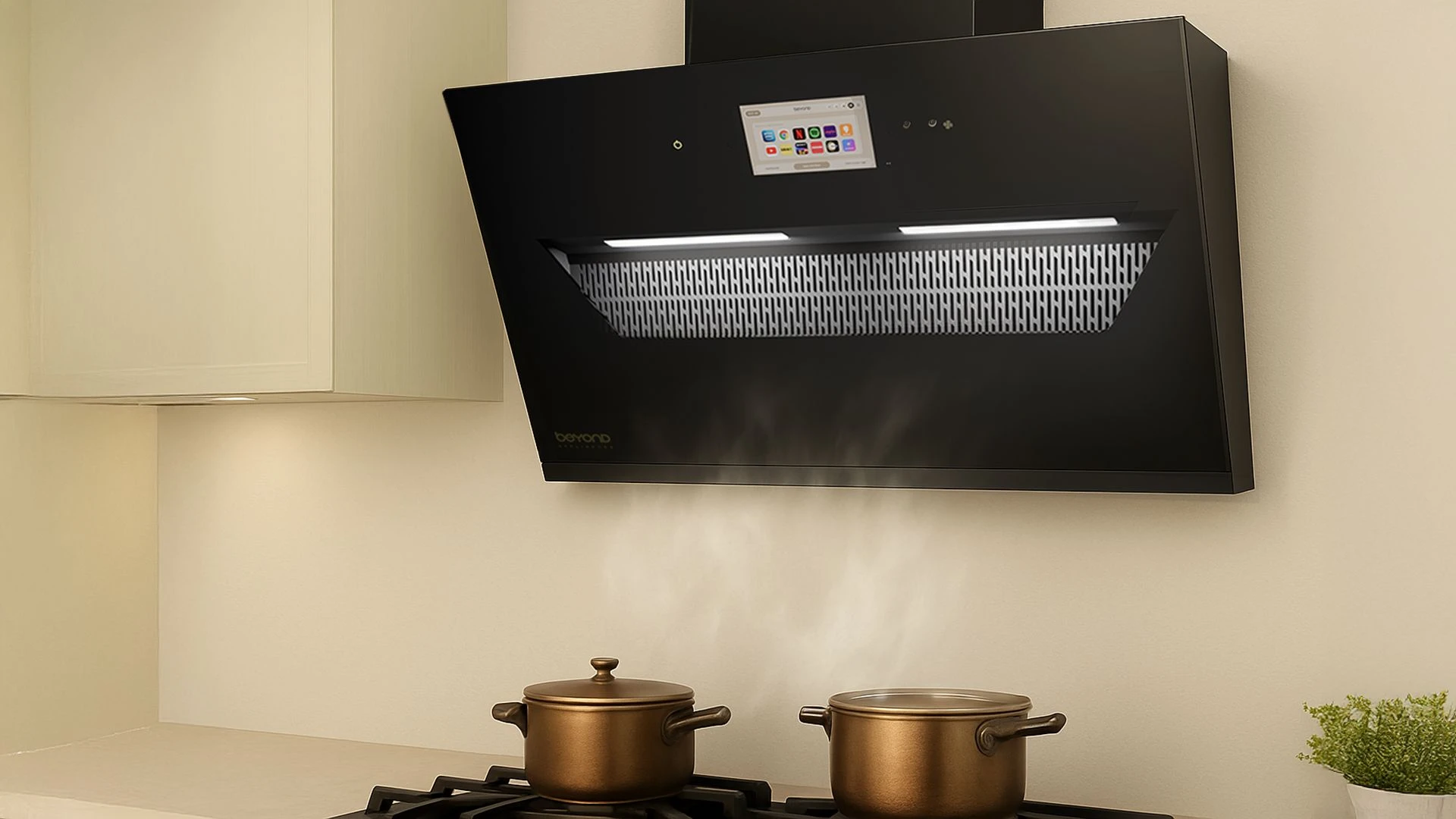
Your kitchen might look clean, but the air you breathe while cooking could be more polluted than busy city streets. Recent studies show that indoor air pollution in kitchens can be 2-5 times worse than outdoor air, with cooking activities releasing harmful particles, gases, and chemicals into your home environment. While most people focus on visible smoke and obvious odors, the real health impact comes from invisible pollutants that accumulate over time. Kitchen air purifiers offer surprising benefits that extend far beyond simple odor removal, protecting your family's health in ways you might never have considered.
Every time you cook, your kitchen becomes a source of various airborne contaminants that can impact your health. High-heat cooking methods like frying, grilling, and sautéing release fine particulate matter (PM2.5) that can penetrate deep into your lungs. Gas stoves emit nitrogen dioxide, carbon monoxide, and formaldehyde, while electric cooking surfaces can still produce harmful particles from heated oils and food. Cleaning products used in kitchens add another layer of chemical pollutants to the air. Oven cleaners, degreasers, and disinfectants release volatile organic compounds (VOCs) that can linger for hours after use. Even seemingly harmless activities like toasting bread or heating leftovers contribute to indoor air pollution through the release of acrolein and other aldehydes.
While most people think air purifiers only remove cooking odors, the benefits of kitchen air purifiers extend far beyond basic smell elimination. These devices can transform your kitchen environment and improve your family's overall health in unexpected ways.
Clean air in your kitchen directly impacts your brain function and cooking performance. Research shows that even moderate levels of indoor air pollution can reduce cognitive abilities by up to 15%. When you remove airborne pollutants with an air purifier, you'll notice improved concentration, better decision-making, and enhanced creativity while preparing meals. Many home cooks report feeling more energized and focused during long cooking sessions when using air purification systems.
Kitchen pollutants don't stay confined to cooking areas. Airborne particles and chemicals travel throughout your home, affecting air quality in bedrooms and living spaces. By using an air purifier in your kitchen, you prevent these pollutants from circulating to other areas, leading to better sleep quality for your entire family. Cleaner air reduces nighttime respiratory irritation and helps maintain optimal oxygen levels for restorative sleep.
Grease particles and cooking vapors can damage electronic components in your kitchen appliances. Refrigerators, microwaves, and other gadgets accumulate airborne contaminants that can clog vents, coat internal components, and reduce efficiency. An air purifier captures these particles before they settle on your appliances, extending their lifespan and reducing maintenance costs. This protection can save you hundreds of rupees in repair bills over time.
Beyond basic kitchen odor removal, air purifiers prevent flavor contamination between different cooking sessions. Strong spices, fish, and aromatic ingredients can leave lingering particles that affect the taste of future meals. Professional chefs understand this principle and use air filtration to maintain neutral cooking environments. Home cooks can achieve similar results with proper air purification systems.
Cooking releases airborne food particles that can trigger allergic reactions in sensitive family members. Flour dust from baking, protein particles from cooking meat, and spice allergens become airborne during food preparation. Air purifiers capture these particles before they can cause respiratory reactions or settle on surfaces throughout your home. This creates a safer environment for family members with food allergies or sensitivities.
Fine particulate matter from cooking has been linked to cardiovascular problems, including increased blood pressure and heart rhythm irregularities. Long-term exposure to cooking fumes can contribute to heart disease risk, especially for people who cook frequently. By removing these particles with an air purifier, you protect your cardiovascular system and reduce inflammation that can lead to serious health issues.
Cooking fumes contain compounds that can accelerate skin aging and cause respiratory irritation. Oil particles and chemical vapors can clog pores and contribute to skin problems, while inhaled pollutants irritate airways and worsen asthma symptoms. Clean air in your kitchen helps maintain healthier skin and reduces respiratory stress during daily meal preparation.
Choosing the right air purification system for your kitchen requires understanding specific environmental challenges. Kitchen air purifiers must handle high humidity, temperature fluctuations, and various types of pollutants simultaneously. Look for units with both HEPA filtration for particles and activated carbon filters for odors and chemical vapors. The size of your kitchen determines the air exchange rate needed for effective purification. Small kitchens may benefit from compact units that can be moved as needed, while larger cooking spaces require more powerful systems with higher cubic feet per minute (CFM) ratings. Consider models specifically designed for cooking environments, as they often include features like grease-resistant filters and heat-tolerant components.
Look for air purifiers with multiple filtration stages to address different types of kitchen pollutants. Pre-filters capture large particles like food debris, while HEPA filters remove fine particulates from cooking. Activated carbon layers absorb odors and chemical vapors, and some advanced models include UV sterilization for additional protection against bacteria and viruses.
Position your air purifier for small kitchen spaces near the primary cooking area but away from direct heat sources. Counter-mounted units work well for compact kitchens, while floor-standing models provide better coverage for larger spaces. Ensure adequate clearance around the unit for proper air circulation and easy filter access for maintenance.
Proper maintenance ensures your kitchen air purifier continues providing optimal benefits. Replace filters according to manufacturer recommendations, typically every 3-6 months for kitchen environments due to higher pollutant loads. Clean pre-filters monthly to maintain airflow and efficiency. Run your air purifier continuously during cooking and for at least 30 minutes afterward to capture all airborne particles. Many modern units include automatic sensors that adjust fan speed based on detected pollution levels. Combine air purification with proper ventilation from range hoods and exhaust fans for maximum effectiveness.
Users consistently report noticeable improvements in air quality within days of installing kitchen air purifiers. Cooking odors dissipate faster, and family members with respiratory sensitivities experience fewer symptoms during meal preparation. Many people notice improved energy levels and reduced eye irritation while spending time in the kitchen. Measurable benefits include reduced particulate matter levels, lower volatile organic compound concentrations, and improved overall indoor air quality scores. Kitchen air purifier reviews frequently mention unexpected benefits like better sleep, reduced allergy symptoms, and improved appliance performance as additional advantages of cleaner air.
Yes, air purifiers significantly improve kitchen air quality by removing cooking particles, odors, and chemical vapors. They're particularly effective when positioned near cooking areas and run continuously during food preparation.
Kitchen-specific air purifiers handle higher humidity, grease particles, and temperature fluctuations better than standard units. They often include specialized filters for cooking-related pollutants and more robust construction.
Most quality air purifiers can significantly reduce cooking odors within 15-30 minutes, depending on room size and pollutant levels. Continuous operation provides the best results for maintaining clean air.
Air purifiers complement but don't replace exhaust fans. Use both systems together for optimal air quality - exhaust fans remove steam and heat while air purifiers capture particles and odors that escape the hood.
The benefits of kitchen air purifiers extend far beyond simple odor control, offering surprising advantages for cognitive function, sleep quality, appliance protection, and overall health. By investing in proper air purification for your cooking space, you create a healthier environment that benefits your entire family. Clean air in your kitchen supports better cooking experiences, protects your investment in appliances, and contributes to long-term health and wellness. Consider your kitchen's specific needs when selecting an air purification system, and maintain it properly to enjoy these remarkable benefits for years to come.
