

7 Signs You Need to Clean Your Chimney Now
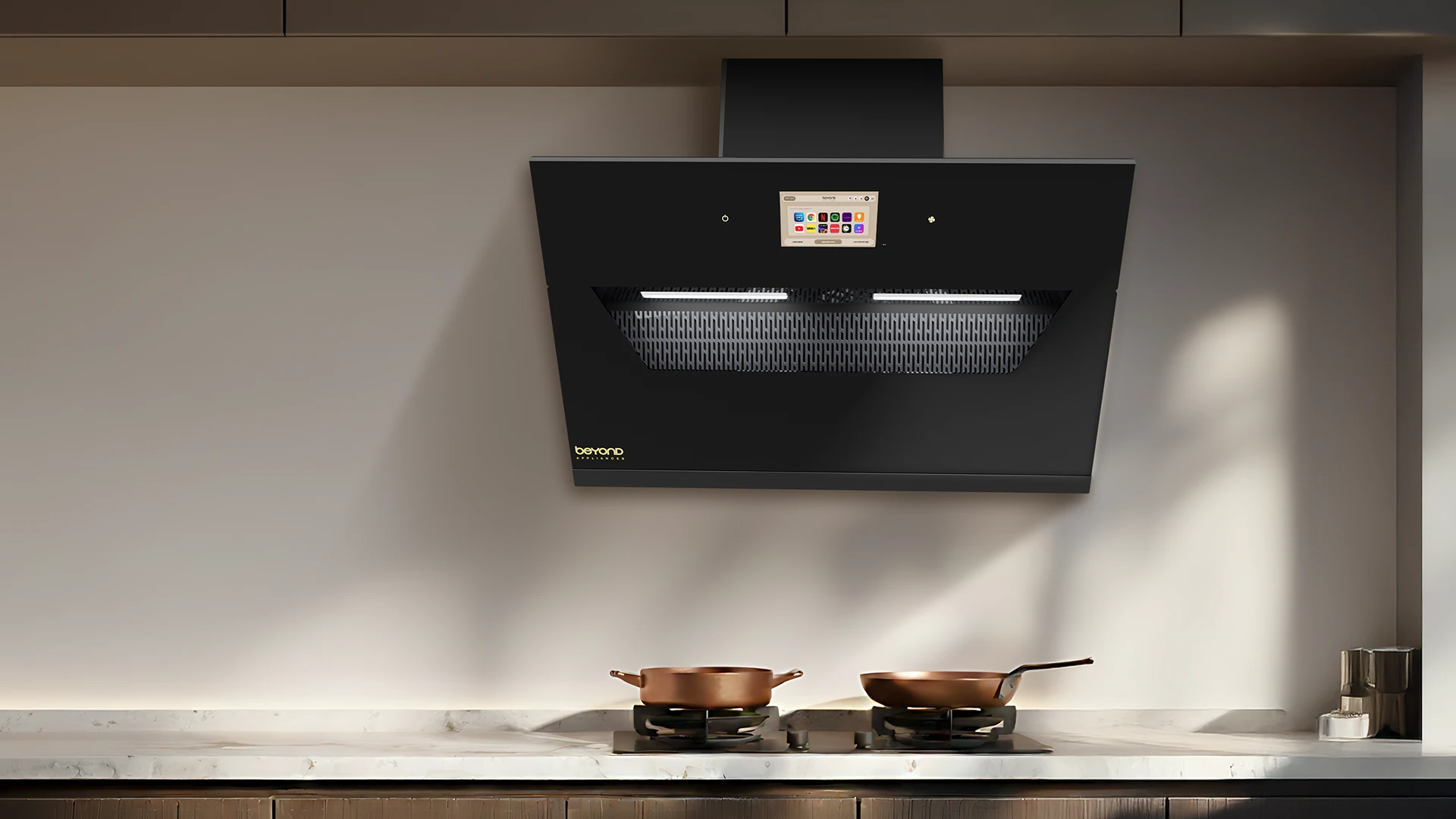
Your kitchen chimney works tirelessly to keep your home clean and smoke-free, but like any hardworking appliance, it needs regular maintenance. Many homeowners wonder how often to clean a chimney and what warning signs indicate immediate attention is needed. Ignoring these signals can lead to reduced efficiency, unpleasant odors, and even safety hazards. Whether you have a traditional fireplace or a modern kitchen chimney, recognizing when cleaning is overdue can save you from costly repairs and health risks. Let's explore the seven unmistakable signs that your chimney needs immediate cleaning and establish a proper maintenance schedule.
The question of how often to clean a chimney depends largely on usage patterns and the type of fuel or cooking you do. Different chimney types require varying maintenance schedules to ensure optimal performance and safety.
For kitchen chimneys, regular cleaning every 3-4 months is recommended for average cooking households. Heavy cooking families should consider monthly deep cleaning. The filters need attention weekly to bi-weekly, depending on cooking frequency and oil usage. Modern ductless chimneys like the innovative wall-mounted models require less frequent deep cleaning due to their advanced filtration systems.
Traditional fireplaces and wood-burning stoves follow different rules. Frequent users need twice-yearly professional cleaning, while occasional users can manage with annual maintenance. The fireplace cleaning schedule should align with seasonal usage patterns - typically before winter begins and after the heating season ends.
Recognizing dirty chimney signs early can prevent serious problems and ensure your family's safety. These indicators demand immediate attention and professional assessment.
When you notice thick, sticky residue coating your chimney's interior surfaces, it's time for immediate cleaning. This buildup reduces airflow efficiency and creates fire hazards. Use a flashlight to inspect accessible areas - if you see more than a thin film of residue, schedule cleaning immediately.
If smoke doesn't exit properly through your chimney and instead fills your cooking area, this indicates serious blockage or poor suction. This problem affects indoor air quality and can trigger respiratory issues. The effects of not cleaning chimney become immediately apparent when smoke infiltration occurs.
Noticeable decline in your chimney's ability to remove cooking odors and smoke signals filter saturation or motor strain. Even powerful 1250 CMH suction systems can lose effectiveness when filters become clogged with grease and particles.
Strange sounds like rattling, grinding, or excessive vibration indicate mechanical stress or debris accumulation. These noises often precede motor failure and require immediate professional attention to prevent costly repairs.
When cooking smells linger long after meal preparation, your chimney isn't functioning properly. Saturated filters can't absorb new odors effectively, and grease buildup actually traps and releases old smells.
Grease droplets falling from your chimney indicate severe filter saturation and potential fire hazard. This sign requires immediate cleaning and possible filter replacement to prevent dangerous accumulation.
A dirty chimney forces the motor to work harder, consuming more electricity. If you notice rising energy costs without increased usage, chimney inefficiency might be the culprit.
Understanding when to attempt DIY chimney cleaning versus calling a professional chimney sweep can save money while ensuring safety. Most kitchen chimney maintenance falls within homeowner capabilities, while complex repairs require professional expertise.
Basic filter cleaning, exterior wiping, and simple part replacement are safe DIY tasks. Modern ductless systems with easily accessible filters make routine maintenance straightforward. Some models feature auto-clean functions that reduce manual cleaning frequency.
Motor issues, electrical problems, or structural damage require professional intervention. Complex installations like T-shaped or curved chimneys need specialized knowledge for proper maintenance. Professional services typically cost between INR 1,500-3,000 for comprehensive cleaning and inspection.
The clean chimney benefits extend far beyond basic functionality. Regular maintenance ensures optimal performance, extends appliance lifespan, and maintains healthy indoor air quality. Proper maintenance prevents the effects of not cleaning chimney from impacting your home. These include reduced efficiency, increased fire risk, motor damage, and poor indoor air quality. Regular cleaning maintains warranty coverage and prevents costly emergency repairs.
Clean chimneys remove harmful cooking fumes, grease particles, and smoke effectively. This protection is especially important for families with respiratory sensitivities or allergies. Proper ventilation prevents carbon monoxide buildup in gas cooking environments.
Regular maintenance costs significantly less than emergency repairs or premature replacement. Clean systems operate more efficiently, reducing energy consumption and lowering utility bills. Proper care also maintains manufacturer warranty coverage.
Implementing these chimney maintenance tips will keep your system running smoothly between professional services. Simple daily and weekly habits can dramatically extend your chimney's lifespan. Clean filters weekly for heavy cooking households, bi-weekly for moderate use. Wipe exterior surfaces after each cooking session to prevent grease buildup. Check and clean the grease collection tray regularly to prevent overflow. For ductless systems, the active carbon filters can last up to 4 years with proper care, backed by comprehensive warranty coverage. These systems install quickly with just 2 screws and require no core cutting or ducting, making maintenance access simple.
Clean your kitchen chimney every 3-4 months for average cooking households. Heavy cooking families should consider monthly deep cleaning, while light users can extend to 4-6 months.
Neglecting chimney cleaning leads to reduced suction power, increased fire risk, motor damage, persistent odors, and higher energy bills. Grease buildup can also cause permanent staining and structural damage.
Basic maintenance like filter cleaning and exterior wiping are safe DIY tasks. However, motor issues, electrical problems, or deep internal cleaning should be handled by professionals.
Professional kitchen chimney cleaning typically costs between INR 1,500-3,000, depending on your location and service complexity. This investment prevents costly repairs and maintains optimal performance.
Immediate cleaning is needed if you notice smoke entering your kitchen, visible grease dripping, persistent odors, unusual noises, or significantly reduced suction power.
Recognizing these seven warning signs helps maintain your chimney's performance and your family's safety. Regular cleaning every 3-4 months, combined with weekly filter maintenance, prevents most serious problems. While basic maintenance is manageable for homeowners, don't hesitate to call professionals for complex issues. The investment in proper chimney cleaning frequency pays dividends in performance, safety, and longevity. Remember that modern ductless systems offer easier maintenance with features like 4-year filter life and simple installation, making regular care more convenient than ever.
