

7 Reasons Filterless Chimneys Outlast Traditional Vents
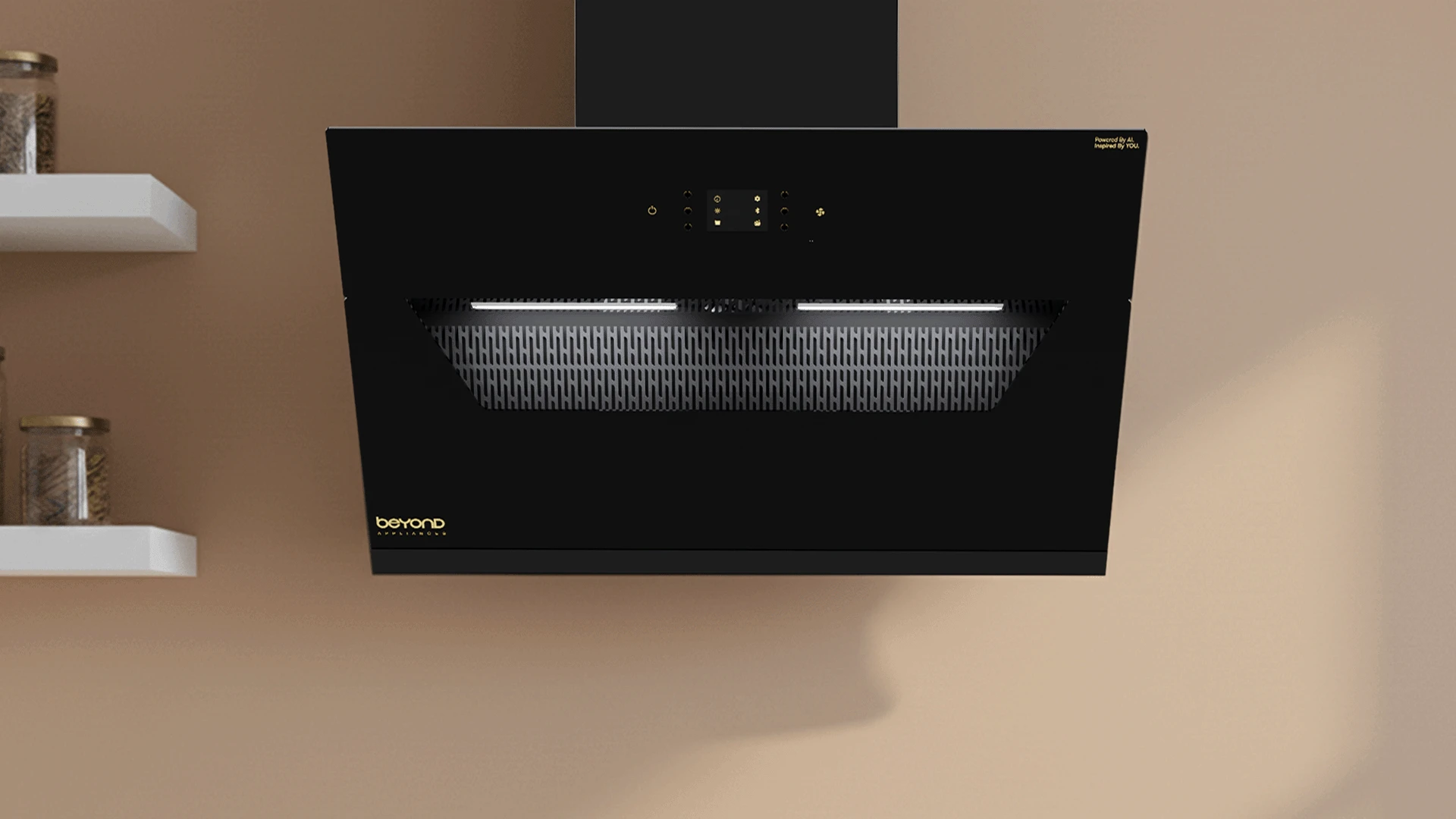
Modern kitchens demand ventilation solutions that combine efficiency with longevity. While traditional vented systems have served homeowners for decades, filterless chimneys are revolutionizing kitchen air quality with superior durability. These innovative systems eliminate the need for regular filter replacements while delivering consistent performance year after year. Understanding the durability advantages of filterless technology helps homeowners make informed decisions about their kitchen ventilation investments. The question isn't just about immediate performance—it's about which system will serve your kitchen better over the long term.
Filterless chimney durability stems from fundamental design differences that set these systems apart from conventional kitchen ventilation systems. Traditional chimneys rely on metal mesh or baffle filters to trap grease and particles, creating multiple points of potential failure. These filters require regular cleaning and eventual replacement, adding ongoing maintenance demands. Filterless technology, like the innovative Cube system, operates without these traditional filters. Instead, active carbon filters handle smoke absorption while removing oil, grease, and odors before returning clean air to your kitchen. This approach eliminates the mechanical stress associated with clogged filters and reduces the number of components that can wear out over time. The types of kitchen chimneys available today range from traditional ducted systems to modern ductless range hood options. Each design impacts chimney lifespan differently, with filterless models consistently demonstrating superior kitchen appliance longevity through reduced maintenance requirements and fewer failure points.
Simplified internal mechanisms give filterless chimneys a significant advantage in chimney performance and longevity. Traditional systems force motors to work harder when filters become clogged with grease and debris. This increased workload accelerates motor wear and reduces overall system lifespan. Filterless designs eliminate this mechanical stress by maintaining consistent airflow without filter obstruction. The Cube's 1250 CMH suction operates efficiently without fighting against blocked filters, preserving motor components and extending operational life. This design approach reduces vent hood maintenance requirements while improving reliability.
Motors in filterless systems experience less strain because they don't need to compensate for reduced airflow. This translates to lower operating temperatures and reduced electrical stress on motor windings.
With fewer components subject to regular wear, filterless chimneys require fewer replacement parts over their operational lifetime. This simplicity directly impacts both maintenance costs and system reliability.
Chimney cleaning frequency plays a crucial role in determining overall system durability. Traditional filter-based systems require weekly or bi-weekly cleaning to maintain performance, with filters needing replacement every few months. This frequent handling increases the risk of component damage and user error. Filterless systems dramatically reduce cleaning requirements. The Cube's active carbon filter lasts four years with proper use, eliminating the constant cycle of filter maintenance that characterizes traditional systems. This extended service interval means fewer opportunities for component damage during cleaning procedures.
Less frequent cleaning means internal components face reduced exposure to harsh cleaning chemicals and aggressive scrubbing that can damage delicate parts over time.
Longer intervals between major maintenance allow for more thorough professional servicing when needed, rather than frequent DIY cleaning that may miss critical issues.
Unobstructed airflow is fundamental to chimney performance and longevity. Traditional filters create resistance that increases as they accumulate grease and particles. This resistance forces the entire system to work harder, generating excess heat and mechanical stress. Filterless technology maintains consistent airflow patterns without the gradual performance degradation seen in filtered systems. The Cube's three-sided vents with multi-directional design ensure optimal air movement without the bottlenecks created by traditional filter arrangements.
Consistent airflow means motors operate at designed efficiency levels rather than struggling against increasing resistance. This efficiency translates to lower energy consumption and reduced heat generation.
Better airflow helps manage internal temperatures, preventing the thermal stress that can damage electronic components and motor windings in traditional systems.
Kitchen appliance longevity depends heavily on material quality and construction standards. Filterless chimneys typically incorporate advanced materials designed for extended service life. Stainless steel components resist corrosion better than the mixed materials often found in traditional systems. The construction quality of filterless systems reflects their premium positioning in the market. Manufacturers invest in better materials and more precise manufacturing processes, knowing that these systems must perform reliably without frequent filter changes to mask declining performance.
Advanced materials used in filterless construction provide superior resistance to the acidic compounds present in cooking vapors, extending component life significantly.
Better materials handle temperature fluctuations more effectively, preventing the expansion and contraction cycles that can loosen connections and damage components over time.
Grease accumulation is the primary enemy of chimney durability. Traditional systems trap grease in filters, but significant amounts still reach internal components. This grease becomes acidic over time, corroding metal parts and degrading electrical connections. Filterless systems handle grease differently, using active carbon technology to neutralize harmful compounds before they can damage internal components. This approach maintains healthy kitchen air quality while protecting the system's internal structure from corrosive damage.
Reduced grease exposure protects sensitive electrical connections and control circuits from corrosion that can cause intermittent failures or complete system breakdown.
Less grease accumulation means reduced acid exposure for structural components, maintaining the chimney's physical integrity over extended periods.
Performance consistency is a hallmark of durable kitchen ventilation systems. Traditional filters create a performance curve that starts high and gradually declines until replacement. This cycle repeats continuously, with periods of reduced effectiveness between cleanings. Filterless systems maintain steady performance throughout their service life. The Cube's four-year filter life eliminates the performance valleys associated with traditional filter maintenance cycles, providing reliable ventilation when you need it most.
Longer service intervals reduce opportunities for user error in maintenance procedures that could damage the system or reduce its effectiveness.
Consistent performance makes it easier to identify when professional service is needed, preventing minor issues from becoming major problems.
Chimney lifespan economics favor filterless systems when considering total cost of ownership. While initial investment may be higher, the elimination of regular filter replacement costs and reduced maintenance requirements create significant long-term savings. Traditional systems require filter replacements every 3-6 months, with quality filters costing INR 500-2000 each. Over a typical 10-year chimney lifespan, filter costs alone can exceed INR 20,000. Filterless systems eliminate this ongoing expense while providing superior performance.
Consistent efficiency means lower electricity consumption over the system's lifetime, adding to the total cost savings.
Fewer service calls and reduced cleaning requirements translate to lower maintenance costs throughout the chimney's operational life.
Proper maintenance ensures maximum durability from any kitchen ventilation system. Filterless chimneys require different care than traditional systems, focusing on periodic cleaning rather than frequent filter maintenance. Establish a monthly visual inspection routine to check for any obvious issues. Clean external surfaces regularly to prevent grease buildup that could affect performance. The Cube's simple one-button control makes operation straightforward, reducing user error that could impact longevity.
Schedule professional maintenance annually to ensure optimal performance and identify potential issues before they become problems.
Proper usage patterns, including appropriate speed settings for different cooking activities, help maximize system life and maintain healthy kitchen air quality.
Yes, filterless chimneys typically demonstrate superior durability due to simplified designs, reduced mechanical wear, and lower maintenance requirements. The absence of regular filter replacement cycles eliminates common failure points and reduces user error opportunities.
Filterless chimneys generally require professional maintenance annually, compared to monthly filter cleaning in traditional systems. The Cube's four-year filter life significantly extends service intervals while maintaining performance.
Usage patterns, installation quality, and adherence to manufacturer maintenance guidelines most significantly impact durability. Proper ventilation and avoiding overloading the system during heavy cooking also contribute to extended lifespan.
Yes, despite higher initial costs, filterless chimneys typically offer better long-term value through reduced maintenance costs, eliminated filter replacement expenses, and superior durability over their operational lifetime.
Watch for reduced suction power, unusual noises, or changes in air quality during cooking. The Cube's simple design makes performance changes more noticeable, allowing for early intervention when needed.
Filterless chimney durability represents a significant advancement in kitchen ventilation technology. These systems outlast traditional vents through simplified designs, reduced maintenance requirements, and superior materials. The elimination of regular filter replacement cycles removes common failure points while maintaining consistent performance throughout the system's extended lifespan. For homeowners seeking reliable, long-term kitchen ventilation solutions, filterless technology offers compelling advantages in both performance and durability.
