

7 Best Kitchen Air Purifiers for Clean Cooking
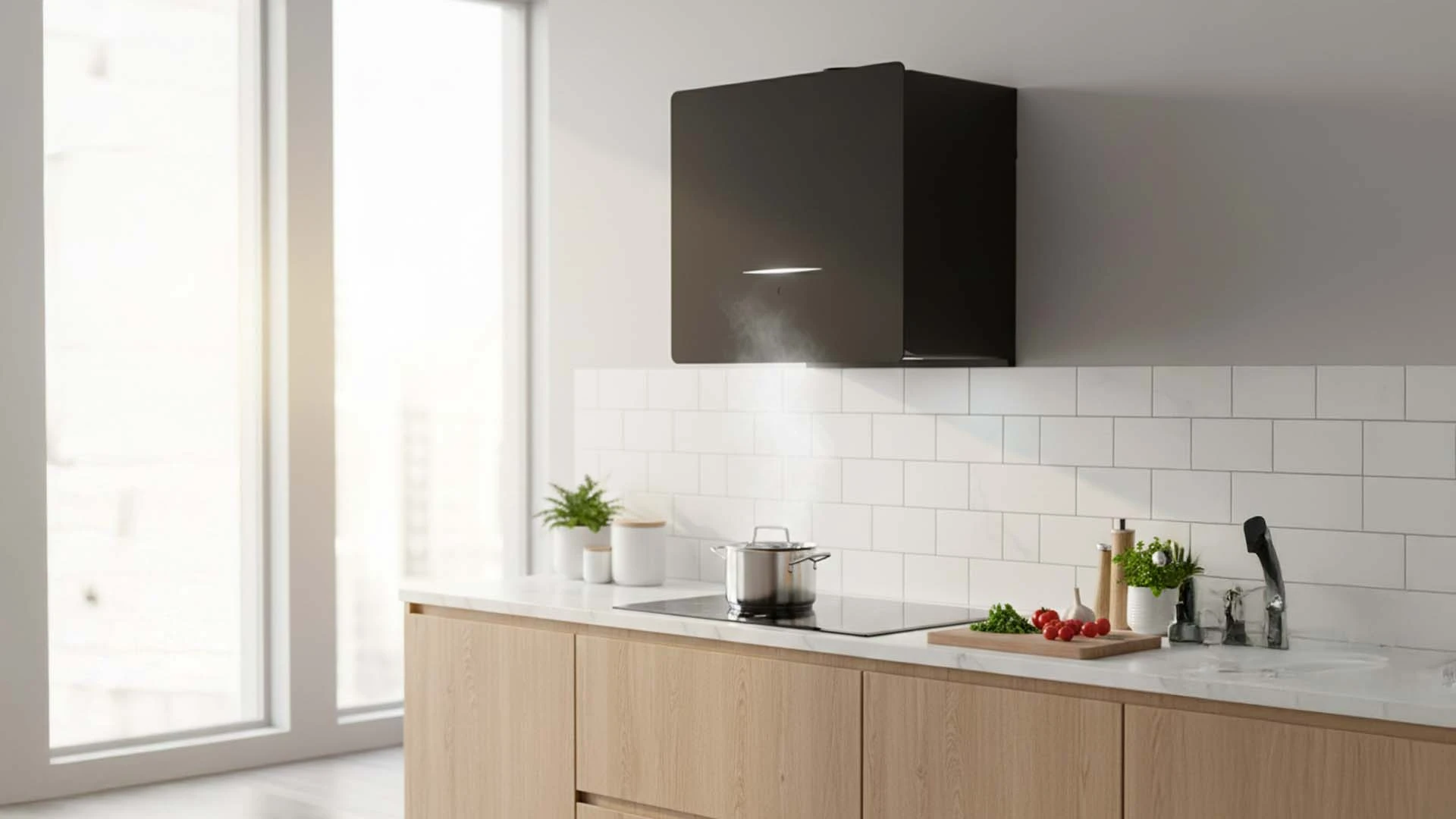
Cooking fills your home with amazing aromas, but it also releases smoke, grease particles, and odors that can linger for hours. While kitchen chimneys handle most cooking fumes, they can't catch everything. A dedicated kitchen air purifier works alongside your existing ventilation to create truly clean air. These specialized devices tackle the fine particles and stubborn odors that escape your range hood, ensuring your kitchen stays fresh and healthy for your family.
Your kitchen generates more air pollutants than any other room in your home. Every time you cook, you release tiny particles, volatile organic compounds, and nitrogen dioxide into the air. These invisible contaminants can trigger allergies, worsen asthma, and create persistent odors throughout your home. Cooking smoke contains particles smaller than 2.5 microns - so tiny they slip past most kitchen ventilation systems. Grease particles float in the air long after cooking ends, settling on surfaces and creating that sticky film you notice on cabinets. Food odors from spices, fish, and fried foods can penetrate fabrics and linger for days without proper air cleaning. An air purifier for cooking spaces captures these microscopic pollutants before they spread. Unlike range hoods that only work directly above your cooktop, air purifiers clean the entire kitchen atmosphere. This dual approach ensures comprehensive kitchen air quality protection for your family's health and comfort.
The best kitchen air purifier needs specialized features to handle cooking challenges. Standard air purifiers often struggle with grease, heat, and strong odors that kitchens produce daily.
HEPA filters capture 99.97% of particles down to 0.3 microns, including cooking smoke and grease droplets. Activated carbon filters absorb odors, gases, and volatile compounds from spices and cooking oils. The best units combine both technologies for complete air cleaning.
Look for high Clean Air Delivery Rate (CADR) ratings that match your kitchen size. Most kitchens need units rated for 200-400 square feet. Quiet operation matters in open-concept homes where kitchen noise travels to living areas. Heat resistance ensures reliable performance near cooking surfaces.
Compact small air purifier models fit on countertops without cluttering workspace. Portable air purifier options let you move units closer to cooking areas when needed. Easy-clean surfaces resist grease buildup, while accessible filters simplify maintenance in busy kitchens.
These carefully selected models excel at removing cooking pollutants while fitting seamlessly into kitchen environments. Each offers unique strengths for different cooking styles and kitchen layouts.
This premium model combines powerful HEPA filtration with advanced carbon technology. Its 360-degree air intake captures pollutants from all directions, while smart sensors automatically adjust fan speed based on air quality. The sleek design complements modern kitchens, and whisper-quiet operation won't disturb family conversations.
Proving that effective air cleaning doesn't require premium pricing, this compact unit delivers impressive performance for small to medium kitchens. Three-stage filtration removes particles and odors, while the simple control panel makes operation effortless. Low replacement filter costs keep long-term ownership affordable.
Designed specifically for space-conscious homes, this countertop model packs serious cleaning power into a compact footprint. Despite its small size, it effectively covers up to 200 square feet. The vertical design maximizes airflow while minimizing counter space usage.
This specialized smoke eater handles the toughest cooking challenges with ease. Extra-thick carbon filters absorb heavy smoke and strong odors from grilling, frying, and spicy cooking. Heat-resistant construction ensures reliable performance even during intensive cooking sessions.
Featuring the most advanced carbon filtration available, this model excels at odor removal kitchen tasks. Multiple carbon layers target different odor molecules, while the pre-filter captures grease particles before they reach expensive HEPA filters. Perfect for homes where cooking odors tend to linger.
This tech-forward model connects to your smartphone for remote monitoring and control. Real-time air quality readings help you understand when cooking creates the most pollution. Automatic scheduling runs the unit during typical cooking times, ensuring clean air without constant attention.
Certified by allergy organizations, this model provides exceptional allergy relief kitchen protection. Medical-grade HEPA filters capture even the smallest allergens, while antimicrobial treatment prevents bacteria growth on filters. Ideal for families with asthma or severe allergies.
Many homeowners wonder if they need an air purifier when they already have a kitchen chimney or range hood. The answer is that these systems work differently and complement each other perfectly. Range hoods excel at capturing steam, smoke, and odors directly at the source. They work best when positioned close to cooking surfaces and can handle large volumes of air quickly. However, they only clean air in their immediate vicinity and miss pollutants that escape their capture zone. Kitchen ventilation systems like chimneys remove contaminated air from your home, but they don't filter or clean it. Air purifiers take a different approach - they continuously filter and recirculate air throughout the entire kitchen space. This catches particles that drift away from the cooking area and provides ongoing air cleaning even when you're not cooking. Using both systems creates comprehensive protection. Your range hood handles the heavy lifting during cooking, while the air purifier provides continuous background cleaning. This combination ensures optimal kitchen air quality and prevents cooking pollutants from spreading to other rooms.
Proper placement dramatically affects your air cleaner kitchen performance. Position units away from direct heat sources but close enough to capture cooking pollutants before they disperse.
Place air purifiers 6-8 feet from cooking surfaces to avoid heat damage while maintaining effectiveness. Avoid corners where air circulation is poor. Position units where they won't block workflow but can access contaminated air easily.
Kitchen air purifiers need more frequent maintenance than standard units due to grease exposure. Check pre-filters monthly and replace them when visibly dirty. HEPA filters typically last 6-12 months in kitchen use, while carbon filters may need replacement every 3-6 months depending on cooking frequency. Clean exterior surfaces weekly with mild detergent to prevent grease buildup. Ensure adequate clearance around air intakes for optimal performance. Monitor filter replacement indicators and don't delay maintenance - dirty filters reduce effectiveness and can damage the unit.
Look for models with both HEPA and activated carbon filters. HEPA captures smoke particles while carbon absorbs odors and gases. Units with higher CADR ratings for smoke perform better in kitchens with frequent high-heat cooking.
While air purifiers significantly reduce cooking odors, complete elimination depends on factors like room size, cooking intensity, and unit capacity. Combining an air purifier with proper kitchen ventilation provides the best odor control.
Run your unit continuously on low speed for background cleaning, increasing to high speed during and after cooking. Most modern units are energy-efficient enough for 24/7 operation, providing constant air quality improvement.
While standard air purifiers can work in kitchens, models designed for cooking environments offer better grease resistance, heat tolerance, and odor removal capabilities. Kitchen-specific features improve performance and longevity.
Choose a unit rated for 1.5-2 times your kitchen's square footage for optimal performance. Kitchens generate more pollutants than other rooms, so extra capacity ensures effective cleaning during heavy cooking.
The best air purifiers for kitchens combine powerful HEPA filtration with robust carbon odor removal. They work alongside your existing kitchen ventilation to create comprehensive air quality protection. Whether you choose a compact countertop model or a full-sized unit, consistent use during and after cooking will dramatically improve your kitchen's air quality. Remember that proper placement, regular maintenance, and choosing the right size for your space are crucial for optimal performance. Clean air while cooking isn't just about comfort - it's about protecting your family's health and keeping your entire home fresh and welcoming.
