

7 Best Chimney Types for Modern Home Design
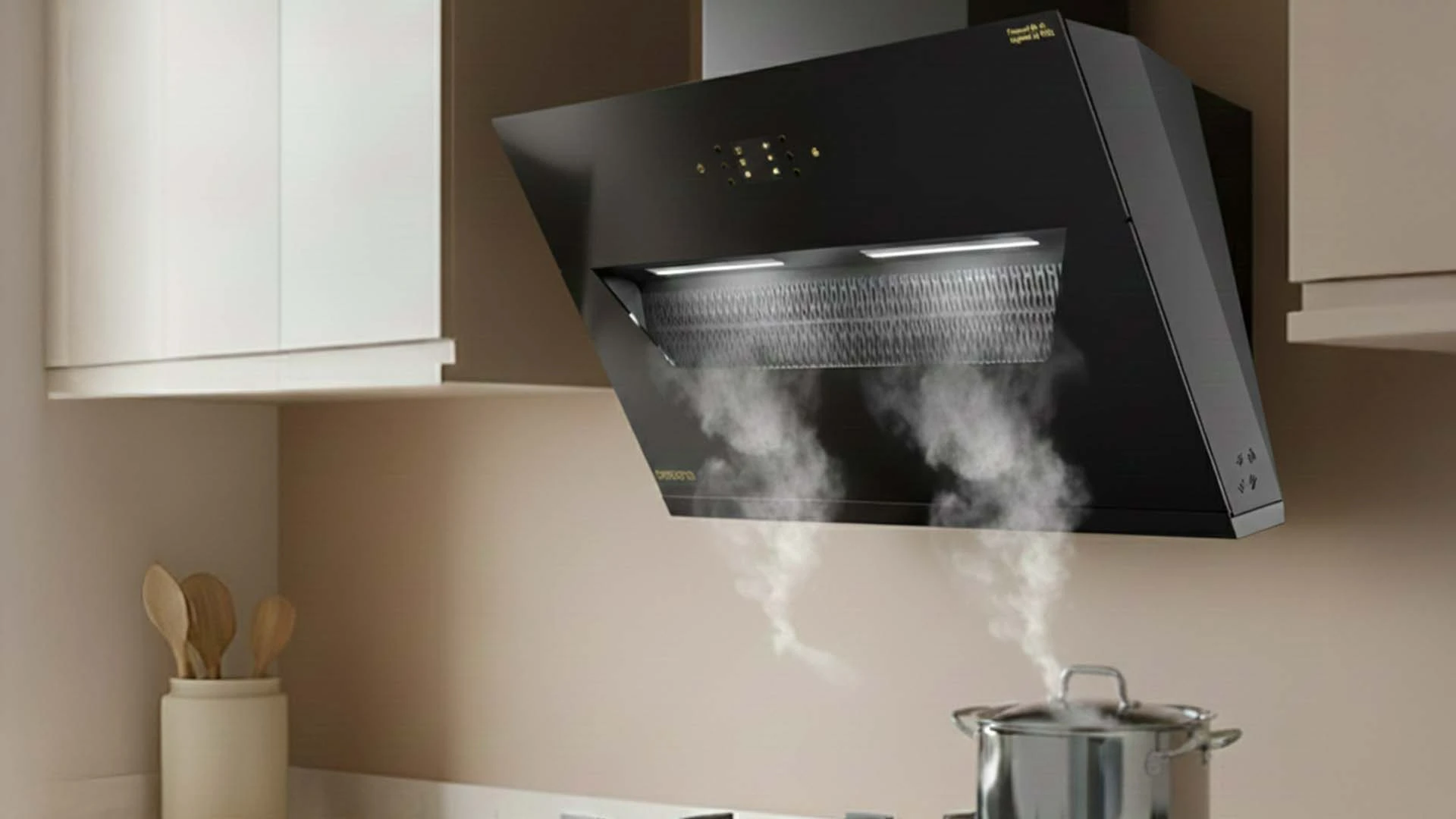
Choosing the right chimney for your home can transform your cooking experience completely. Modern kitchens demand efficient smoke extraction systems that blend seamlessly with contemporary design aesthetics. With Indian cooking producing heavy smoke, oil particles, and strong aromas, selecting from the best chimney types for home kitchens becomes crucial for maintaining a clean and comfortable cooking environment. The right chimney not only protects your kitchen walls and cabinets from grease buildup but also ensures proper ventilation for healthier indoor air quality. Understanding different chimney types helps you make an informed decision that matches your kitchen layout, cooking habits, and budget requirements.
The seven best chimney types for home kitchens include wall-mounted, island, built-in, corner, filterless, curved glass, and telescopic chimneys. Each type offers unique advantages for different kitchen layouts and cooking needs. Wall-mounted chimneys remain the most popular choice for standard kitchen setups, while island chimneys suit open kitchen designs perfectly. Modern chimney design focuses on combining powerful suction capabilities with sleek aesthetics. The suction power typically ranges from 800 to 1800 cubic meters per hour, depending on your kitchen size and cooking intensity. For Indian cooking with heavy tadka and deep frying, chimneys with higher suction power and specialized filters work best.
Kitchen size determines the required suction power, with larger kitchens needing 1200-1500 cubic meters per hour capacity. Cooking frequency and style also influence your choice, as frequent Indian cooking demands robust filtration systems. Budget considerations range from INR 15,000 for basic models to INR 80,000 for premium smart chimneys with advanced features.
Wall-mounted chimneys represent the most common and practical choice for standard kitchen layouts. These chimney types attach directly to the wall above your cooking range, offering excellent suction power and easy maintenance. The installation process remains straightforward, requiring minimal structural modifications to your kitchen. Most wall-mounted models feature suction power between 800-1500 cubic meters per hour, making them suitable for medium to large kitchens. The chimney materials typically include stainless steel construction with tempered glass panels for durability and easy cleaning. Price ranges vary from INR 20,000 to INR 60,000, depending on features and brand specifications.
Wall-mounted chimneys need adequate wall support and proper electrical connections. The minimum distance from the cooking surface should be 24-30 inches for gas stoves and 20-24 inches for electric cooktops. Ducting requirements depend on your kitchen layout, with external venting providing better performance than recirculation modes.
Island chimneys suit modern open kitchen layouts where the cooking range sits in the center of the kitchen space. These modern chimney designs mount from the ceiling, creating a striking focal point while providing efficient smoke extraction. The installation requires strong ceiling support and careful planning for electrical and ducting connections. Suction power for island chimneys typically ranges from 1200-1800 cubic meters per hour due to the open environment requiring more powerful extraction. The chimney design often features sleek stainless steel or glass construction that complements contemporary kitchen aesthetics. Pricing starts from INR 40,000 and can exceed INR 1,00,000 for premium models with smart features.
Island chimneys offer 360-degree smoke capture, making them highly efficient for large cooking surfaces. The ceiling-mounted design provides unobstructed workspace around the cooking area. Many models include LED lighting systems that illuminate the entire cooking zone effectively.
Built-in chimneys integrate seamlessly into kitchen cabinets, creating a clean and minimalist appearance. These chimney types work perfectly for compact kitchens where space optimization remains crucial. The hidden installation maintains the kitchen's visual continuity while providing effective smoke extraction. Integrated designs typically offer suction power between 800-1200 cubic meters per hour, sufficient for most home cooking needs. The chimney materials focus on compact yet durable construction, often featuring high-grade stainless steel components. Installation costs may be higher due to cabinet modifications, but the aesthetic benefits justify the investment.
Built-in chimneys maximize available kitchen space by eliminating protruding elements. The installation requires precise measurements and coordination with cabinet makers. Maintenance access should be planned during the design phase to ensure easy filter cleaning and servicing.
Contemporary home chimney technology has evolved significantly, introducing smart features and innovative designs. Advanced options include filterless technology, smart connectivity, and energy-efficient motors that reduce electricity consumption while maintaining powerful suction capabilities. The Android Chimney Asteria represents cutting-edge innovation with 1408 cubic meters per hour suction power designed specifically for Indian cooking. This filterless design eliminates traditional filter maintenance while providing superior smoke extraction. The integrated infotainment screen with popular OTT apps allows you to cook and enjoy entertainment simultaneously.
Filterless chimneys use centrifugal force to separate oil particles from smoke, eliminating the need for regular filter cleaning. The dry heat auto-clean technology melts jammed oil and particles in the motor, collecting them in an easily cleanable oil tray. This innovation reduces maintenance frequency and ensures consistent performance over time.
Modern smart chimneys include touchscreen controls, voice commands, and mobile app connectivity. Features like auto turn-off timers, cooking reminders, and recipe suggestions enhance the cooking experience. Dual speakers provide cinematic sound quality while cooking, making kitchen time more enjoyable.
Proper chimney installation ensures optimal performance and safety. Ducted installations provide better smoke extraction by venting directly outside, while ductless options recirculate filtered air back into the kitchen. The choice depends on your kitchen layout and external venting possibilities. Electrical requirements typically include 220V power supply with proper grounding for safety. Professional installation ensures correct mounting, ducting, and electrical connections while maintaining warranty coverage. DIY installation may void warranties and compromise safety standards.
Small kitchens (up to 100 square feet) need 800-1000 cubic meters per hour suction power. Medium kitchens (100-200 square feet) require 1000-1300 cubic meters per hour capacity. Large kitchens (over 200 square feet) demand 1300-1800 cubic meters per hour for effective smoke extraction.
Proper installation includes adequate clearance from combustible materials and correct electrical grounding. Fire safety regulations require specific distances from gas flames and proper ventilation pathways. Professional installation ensures compliance with local building codes and safety standards.
Regular chimney maintenance ensures optimal performance and extends equipment lifespan. Traditional filter-based chimneys require monthly filter cleaning, while filterless models need periodic oil tray cleaning. Proper maintenance prevents motor damage and maintains suction efficiency. Cleaning schedules vary by cooking frequency and style. Heavy Indian cooking with frequent frying requires more frequent maintenance than occasional light cooking. Professional servicing annually helps identify potential issues before they become major problems.
Baffle filters work best for Indian cooking due to their ability to handle oil and grease effectively. Cassette filters require more frequent replacement but offer finer filtration. Filterless technology eliminates replacement costs while maintaining superior performance for heavy cooking applications.
Reduced suction power often indicates clogged filters or blocked ducting. Unusual noise may signal motor issues or loose components requiring professional attention. Regular inspection of electrical connections and moving parts prevents major breakdowns and ensures safe operation.
Filterless chimneys with high suction power (1200-1500 cubic meters per hour) work best for Indian cooking. The filterless design handles heavy oil and smoke from tadka and deep frying without clogging traditional filters.
Wall-mounted or built-in chimneys with 800-1000 cubic meters per hour suction power suit small kitchens perfectly. These designs maximize space utilization while providing adequate smoke extraction for compact cooking areas.
Filterless chimneys require minimal maintenance compared to traditional filter-based models. The auto-clean technology and oil collection tray system reduce cleaning frequency significantly while maintaining optimal performance.
Calculate your kitchen area and multiply by 10-12 to determine required suction power in cubic meters per hour. Consider ceiling height and cooking intensity when selecting the appropriate chimney capacity for your specific needs.
Selecting the best chimney types for home kitchens requires careful consideration of your cooking habits, kitchen layout, and budget constraints. Modern chimney options offer advanced features like smart connectivity, filterless technology, and energy-efficient operation that enhance your cooking experience significantly. Whether you choose a traditional wall-mounted model or an advanced smart chimney with entertainment features, proper installation and regular maintenance ensure optimal performance and longevity. The investment in a quality chimney system pays dividends through improved air quality, reduced cleaning effort, and enhanced kitchen aesthetics that complement your modern lifestyle.
