

Why You Need a Kitchen Chimney: Essential Guide
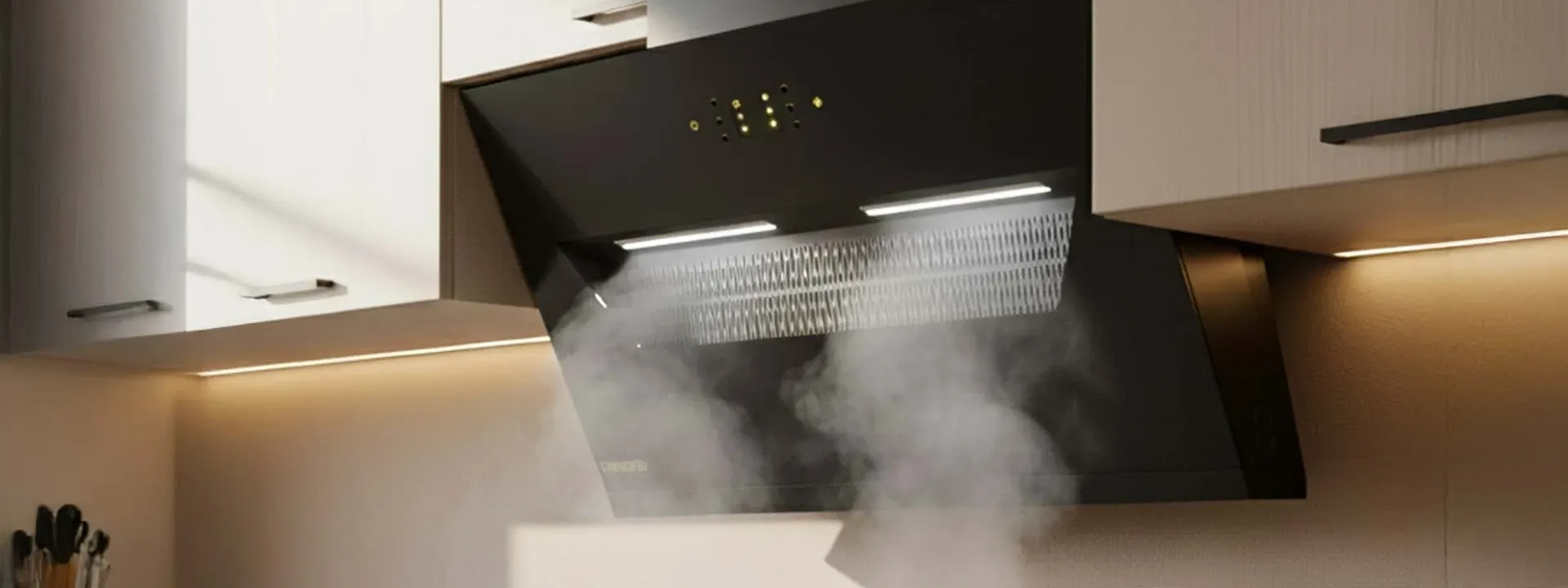
Modern kitchens face unique challenges that traditional ventilation methods simply cannot handle. With the rise of open-plan living spaces and increased cooking frequency, the importance of kitchen chimney has become more evident than ever. Indian cooking styles, characterized by high-heat preparations, generous oil usage, and aromatic spices, create substantial amounts of smoke, grease, and odors that require efficient removal systems. A kitchen chimney serves as the frontline defense against these cooking byproducts, ensuring your kitchen remains clean, healthy, and comfortable. Understanding why need kitchen chimney goes beyond mere convenience—it encompasses health protection, property preservation, and enhanced cooking experiences that transform your culinary space into a truly modern environment.
The necessity of a kitchen chimney depends on your cooking habits, kitchen design, and health priorities. Modern cooking demands have evolved significantly, with families preparing more elaborate meals that involve extensive frying, grilling, and high-temperature cooking methods.
Traditional ventilation methods like windows and basic exhaust fans prove inadequate for contemporary cooking requirements. These methods fail to capture smoke and grease particles effectively, allowing them to settle on surfaces throughout your kitchen and adjacent living areas. The kitchen chimney benefits become apparent when you consider the volume of airborne particles generated during typical Indian meal preparation.
Cost-benefit analysis reveals that investing in a quality kitchen chimney saves money long-term through reduced cleaning costs, preserved kitchen surfaces, and improved air quality. The initial investment ranges from INR 8,000 to INR 50,000 depending on features and capacity, but the protection it provides to your kitchen infrastructure and family health justifies this expense. Professional installation and extended warranty options ensure optimal performance and peace of mind for years to come.
Understanding the comprehensive advantages of kitchen chimney helps homemakers and decision-makers appreciate the value these appliances bring to modern kitchens. Each benefit contributes to creating a more pleasant, healthy, and efficient cooking environment.
Kitchen chimneys excel at capturing smoke and odors directly at the source, preventing them from spreading throughout your home. The powerful suction mechanism draws cooking fumes upward before they can disperse, ensuring your living spaces remain fresh and comfortable.
High-efficiency filters trap grease particles that would otherwise settle on walls, cabinets, and appliances. This protection significantly reduces the sticky residue that accumulates over time, making kitchen maintenance much easier and less frequent.
Effective kitchen ventilation removes harmful pollutants, carbon monoxide, and other toxic gases generated during cooking. This improvement in kitchen air quality protects family members from respiratory issues and creates a safer cooking environment.
By preventing grease and smoke from settling on surfaces, kitchen chimneys dramatically reduce cleaning time and costs. Kitchen walls, cabinets, and appliances maintain their appearance longer, requiring less frequent deep cleaning or repainting.
Modern chimney designs complement contemporary kitchen aesthetics while adding functional value to your home. Well-maintained kitchens with proper ventilation systems command higher property values and appeal to potential buyers.
Cooking becomes more enjoyable when you are not surrounded by smoke and strong odors. Kitchen chimneys create a comfortable environment that encourages culinary creativity and longer cooking sessions without discomfort.
Grease and smoke damage kitchen surfaces, appliances, and fixtures over time. A quality chimney system protects these investments, extending their lifespan and maintaining their functionality and appearance.
The health implications of poor kitchen ventilation extend far beyond temporary discomfort. Indoor air pollution from cooking activities can significantly impact respiratory health, particularly for family members with existing conditions like asthma or allergies.
Cooking processes release various pollutants including particulate matter, nitrogen dioxide, and carbon monoxide. These substances accumulate in poorly ventilated kitchens, creating an unhealthy environment that affects everyone in the household. The importance of kitchen chimney becomes critical when considering long-term exposure to these pollutants.
Research indicates that households with effective kitchen ventilation systems report fewer respiratory complaints and improved overall air quality. Children and elderly family members benefit most from clean kitchen air, as their respiratory systems are more sensitive to pollutants. Professional-grade chimneys with multi-stage filtration systems provide the most comprehensive protection against cooking-related air pollution.
Modern chimney systems also help regulate humidity levels in the kitchen, preventing moisture-related problems like mold growth and surface damage. This humidity control contributes to a healthier kitchen environment and protects your investment in kitchen infrastructure.
The debate between chimney vs exhaust fan centers on efficiency, cost, and specific kitchen requirements. Understanding the differences helps homeowners make informed decisions based on their cooking habits and kitchen design.
Exhaust fans typically cost between INR 2,000 to INR 8,000 and consume less electricity, making them attractive for budget-conscious buyers. However, their limited suction capacity and inability to filter grease particles make them less effective for heavy cooking activities. Exhaust fans work best in small kitchens with minimal cooking or as supplementary ventilation in larger spaces.
Kitchen chimneys offer superior performance with suction capacities ranging from 400 to 1500 cubic meters per hour. Their multi-stage filtration systems capture both smoke and grease particles effectively. While initial costs are higher (INR 8,000 to INR 50,000), the long-term benefits justify the investment for active cooking households.
Maintenance requirements differ significantly between the two options. Exhaust fans require periodic cleaning and occasional motor replacement, while chimneys need regular filter cleaning or replacement. However, chimney maintenance is more straightforward and less frequent when proper care is taken.
For Indian cooking styles that involve extensive use of oils and spices, kitchen chimneys provide superior odor removal kitchen capabilities. Their powerful motors and specialized filters handle the demands of high-heat cooking more effectively than traditional exhaust fans.
Space constraints in urban homes have driven innovation in compact kitchen chimney design. Modern manufacturers offer space-saving solutions that deliver powerful performance without overwhelming small kitchen spaces.
Chimney for small kitchen options include slant or inclined designs that fit seamlessly under low ceilings, and ductless models that eliminate the need for external venting. These compact solutions maintain the essential benefits of larger units while adapting to space limitations.
T-shaped and curved chimneys offer excellent space utilization in compact kitchens. Their streamlined profiles complement modern kitchen designs while providing adequate coverage for standard cooktop sizes. Installation flexibility allows these units to work effectively even in challenging kitchen layouts.
Modern kitchen ventilation for small spaces focuses on efficiency rather than size. Advanced motor technology and optimized airflow design enable compact chimneys to achieve suction rates comparable to larger units. Features like touch controls and LED lighting add functionality without requiring additional space.
Ductless chimney options prove particularly valuable in rental properties or apartments where structural modifications are restricted. These units use advanced filtration systems to clean and recirculate air, providing effective ventilation without permanent installation requirements.
While kitchen chimneys offer numerous benefits, understanding potential drawbacks helps set realistic expectations and prepare for proper maintenance. Addressing these challenges ensures optimal performance and satisfaction with your investment.
The upfront cost of quality kitchen chimneys can seem substantial, ranging from INR 8,000 for basic models to INR 50,000 for premium units. However, financing options and extended warranty programs make these appliances more accessible to budget-conscious buyers.
Modern chimneys consume between 150 to 300 watts during operation, adding approximately INR 200 to INR 500 to monthly electricity bills depending on usage patterns. Energy-efficient models with variable speed controls help optimize power consumption.
Regular filter cleaning and periodic professional servicing are essential for optimal performance. Establishing a maintenance schedule and using quality replacement parts ensures long-term reliability and efficiency.
Some chimney models produce noticeable noise during operation, particularly at higher speeds. Selecting units with noise ratings below 58 decibels and proper installation techniques minimize this concern.
Professional installation ensures proper mounting, electrical connections, and ductwork where required. Free installation services and expert support help overcome technical challenges and ensure safe, effective operation.
Kitchen chimneys are highly recommended for homes with active cooking, especially those preparing Indian cuisine with oils and spices. They become essential in open-plan kitchens where cooking odors can spread to living areas.
Kitchen chimneys are designed to handle the unique challenges of cooking environments, including high temperatures, grease particles, smoke, and strong odors that regular ventilation systems cannot manage effectively.
Modern chimneys add approximately INR 200 to INR 500 to monthly electricity bills, depending on usage patterns and motor efficiency. The cost is offset by reduced cleaning expenses and health benefits.
Primary disadvantages include initial cost, electricity consumption, maintenance requirements, and potential noise during operation. These concerns are manageable with proper selection and maintenance.
Kitchen chimneys are specifically designed for Indian cooking demands, with powerful motors and specialized filters that handle high oil content, strong spices, and intensive cooking methods effectively.
Chimney size should match your cooktop width, with suction capacity calculated based on kitchen volume. A 60cm chimney suits most standard kitchens, while larger spaces may require 90cm units.
Baffle filters require cleaning every 2-3 months, while cassette filters need replacement every 6-9 months. Heavy cooking may require more frequent maintenance for optimal performance.
Ductless chimneys offer excellent solutions for rental properties, requiring minimal structural modifications while providing effective ventilation and easy removal when relocating.
Kitchen chimneys represent essential appliances for modern cooking environments, offering comprehensive solutions for smoke removal, grease filtration, and air quality improvement. The advantages of kitchen chimney extend beyond convenience to encompass health protection, property preservation, and enhanced cooking experiences that justify the investment.
Understanding why need kitchen chimney helps homeowners make informed decisions based on their cooking habits, kitchen size, and health priorities. With options ranging from compact ductless units to powerful ducted systems, there is a suitable solution for every kitchen configuration and budget. Professional installation, regular maintenance, and quality replacement parts ensure optimal performance and longevity, making kitchen chimneys valuable additions to any modern home.
