
What Is a Contemporary Kitchen? Design Secrets
Cart
Your cart is empty
Contemporary kitchens represent the perfect blend of current design trends and functional living. These spaces evolve with the times, incorporating the latest materials, technologies, and lifestyle needs. Unlike fixed historical styles, contemporary kitchen design adapts to modern living patterns while maintaining clean aesthetics and smart functionality. Today's homeowners seek kitchens that serve as both cooking spaces and social hubs, making contemporary design more relevant than ever. The style emphasizes simplicity, efficiency, and seamless integration with the rest of the home.
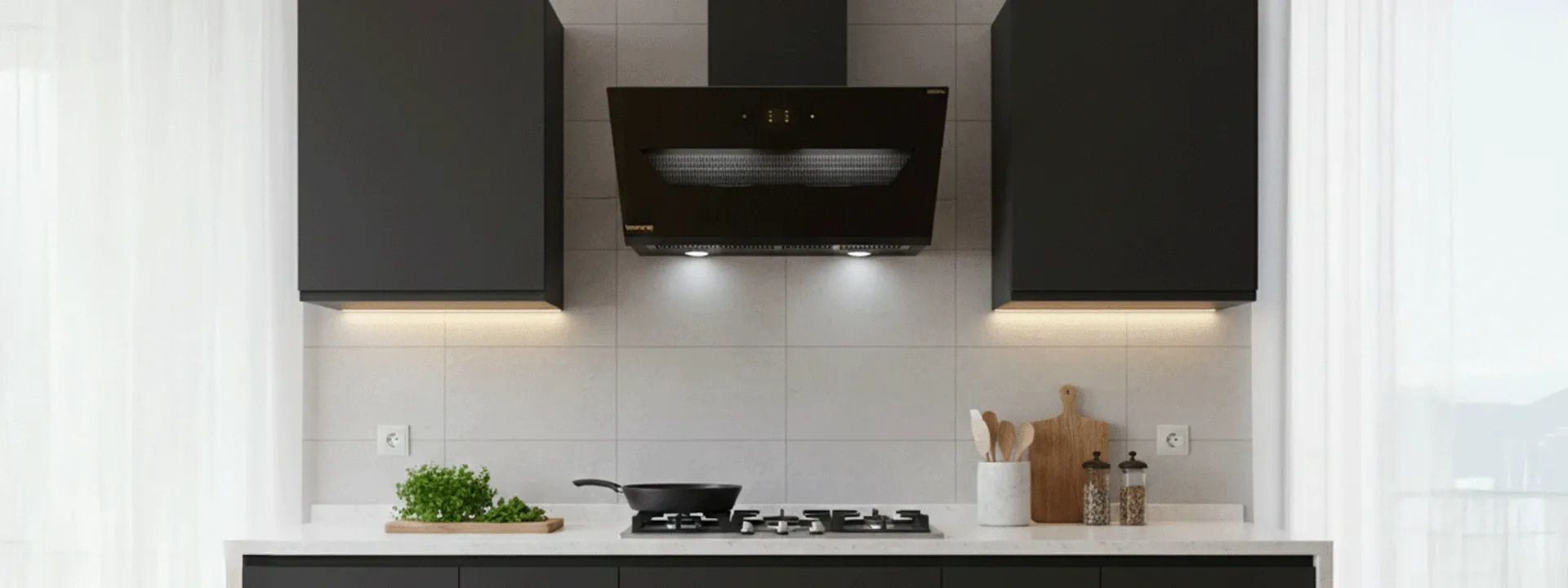
A contemporary kitchen embodies current design trends rather than adhering to a specific historical period. This style philosophy centers on the principle that form follows function, creating spaces that work beautifully for today's lifestyle needs. Contemporary kitchens feature clean lines, uncluttered surfaces, and a minimalist approach that maximizes both visual appeal and practical use. The core characteristics include sleek cabinetry with flat-panel doors, integrated appliances that blend seamlessly into the design, and open layouts that connect the kitchen to adjacent living areas. These kitchens often showcase a neutral color palette with strategic accent colors, creating a timeless yet current aesthetic. Smart storage solutions and advanced technology integration are hallmarks of contemporary design, ensuring the space remains functional and efficient. Contemporary kitchens gain popularity because they adapt to changing lifestyles. Modern families need flexible spaces that accommodate everything from quick breakfast preparation to elaborate dinner parties. The style's emphasis on clean surfaces and efficient layouts makes maintenance easier, while the integration of smart appliances enhances convenience and energy efficiency.
Understanding the differences between kitchen styles helps homeowners make informed design decisions. Each style offers distinct characteristics and appeals to different preferences and lifestyles. Contemporary design represents a fluid approach that evolves with current trends and technologies. This style incorporates elements from various periods and movements, creating spaces that feel current and relevant. Contemporary kitchens might feature traditional materials like wood alongside ultra-modern stainless steel, creating an eclectic yet cohesive look.
Modern kitchen design refers specifically to mid-20th century aesthetic principles. These kitchens feature geometric shapes, bold colors, and retro elements that harken back to the 1950s and 1960s. Modern kitchens often include iconic design pieces and maintain strict adherence to the original movement's principles.
Traditional kitchens emphasize ornate details, classic materials, and decorative elements. These spaces feature raised-panel cabinets, elaborate moldings, and rich finishes that create a timeless, formal atmosphere. Traditional designs draw inspiration from historical periods and maintain consistent styling throughout.
Contemporary kitchen interiors focus on creating clean, functional spaces that enhance daily living. The design philosophy emphasizes simplicity without sacrificing style or functionality. These kitchens serve as the heart of modern homes, accommodating various activities beyond cooking. Open-concept integration stands as a defining feature of contemporary design. These layouts connect the kitchen seamlessly with dining and living areas, creating a cohesive flow throughout the home. This approach maximizes natural light, enhances social interaction, and makes smaller spaces feel more expansive.
Contemporary kitchens combine natural and manufactured materials to create visual interest and textural contrast. Quartz countertops offer durability and low maintenance, while stainless steel appliances provide a sleek, professional appearance. Glass backsplashes reflect light and create depth, making spaces appear larger and brighter.
Neutral foundations dominate contemporary color schemes, with whites, grays, and blacks creating a sophisticated backdrop. Strategic pops of color through accessories, artwork, or accent walls add personality without overwhelming the clean aesthetic. This approach allows homeowners to update their space easily by changing accessories rather than major elements.
Modern kitchen cabinets serve as both functional storage and design statements in contemporary spaces. These cabinets feature clean lines, minimal ornamentation, and innovative storage solutions that maximize efficiency while maintaining aesthetic appeal. Flat-panel and slab door designs characterize contemporary cabinetry. These styles eliminate unnecessary details, creating smooth surfaces that enhance the minimalist aesthetic. The absence of raised panels or decorative moldings contributes to the clean, uncluttered appearance that defines contemporary design.
Handleless cabinets or integrated hardware options maintain the sleek appearance while providing easy access. Push-to-open mechanisms and recessed pulls eliminate visual clutter while ensuring smooth operation. These features particularly benefit compact kitchen ideas where every inch of space matters.
Contemporary cabinets incorporate intelligent storage solutions that maximize space efficiency. Pull-out drawers, lazy Susans, and vertical dividers organize items effectively while maintaining easy access. Hidden storage compartments and multifunctional elements help small modern kitchens feel more spacious and organized.
Smart technology integration distinguishes contemporary kitchens from traditional designs. These features enhance functionality while maintaining the clean aesthetic that defines the style. Modern appliances blend seamlessly into the design, providing advanced capabilities without visual disruption. Integrated appliances create a cohesive appearance while offering professional-grade performance. Built-in refrigerators, dishwashers, and cooking appliances maintain the streamlined look while providing enhanced functionality. Energy-efficient features reduce environmental impact and operating costs, aligning with contemporary values of sustainability and efficiency.
Contemporary kitchens often feature sophisticated cooking appliances that enhance culinary capabilities. Induction cooktops provide precise temperature control and energy efficiency, while advanced chimney systems ensure proper ventilation without compromising design aesthetics. These appliances integrate seamlessly into the overall design while providing professional-level performance.
Smart lighting systems allow precise control over ambiance and functionality. LED under-cabinet lighting provides task illumination, while pendant lights over islands create focal points. Automated controls enable homeowners to adjust lighting throughout the day, enhancing both functionality and energy efficiency.
Effective kitchen layouts maximize functionality while maintaining the clean aesthetic of contemporary design. These arrangements accommodate various space constraints while ensuring efficient workflow and visual appeal. Open-concept layouts merge the kitchen with adjacent living spaces, creating a seamless flow throughout the home. This approach maximizes natural light, enhances social interaction, and makes smaller homes feel more spacious. The kitchen becomes a central hub for family activities and entertaining.
Small modern kitchens benefit from strategic layout planning that maximizes every square foot. Galley layouts provide efficient workflow in narrow spaces, while L-shaped configurations optimize corner areas. These arrangements ensure adequate storage and workspace while maintaining the clean lines characteristic of contemporary design.
Contemporary kitchen islands serve multiple functions beyond additional workspace. These elements provide extra storage, seating areas, and focal points that anchor the design. Islands can house appliances, create visual separation between spaces, and offer opportunities for design statements through materials or lighting.
Successful kitchen remodeling requires careful planning and consideration of both aesthetic and functional goals. Contemporary design offers flexibility in approach, allowing homeowners to incorporate elements gradually or complete comprehensive renovations. Budget considerations should account for both immediate needs and long-term goals. Contemporary design's emphasis on quality materials and advanced appliances requires investment, but the timeless appeal and enhanced functionality provide excellent return on investment. Professional design consultation can help optimize budget allocation and ensure cohesive results.
Contemporary kitchen projects typically require 6-12 weeks for completion, depending on scope and complexity. Planning phases should include detailed measurements, material selection, and appliance coordination. Working with experienced professionals ensures smooth installation and optimal results.
Overcomplicating the design contradicts contemporary principles of simplicity and functionality. Choosing trendy elements over timeless features can date the space quickly. Inadequate storage planning often results in cluttered surfaces that undermine the clean aesthetic. Professional guidance helps avoid these pitfalls while achieving desired results.
A contemporary kitchen emphasizes current design trends with clean lines, open layouts, minimalist aesthetics, and smart technology integration. These spaces evolve with changing lifestyles and incorporate the latest materials and appliances while maintaining functional efficiency.
Modern refers to a specific mid-20th century design period with geometric shapes and retro elements, while contemporary evolves with current trends and incorporates various style elements. Contemporary design adapts to present-day needs and technologies.
Contemporary cabinets feature flat-panel or slab doors, handleless or integrated hardware, and often include floating designs to enhance space. They emphasize clean lines, minimal ornamentation, and smart storage solutions that maximize efficiency.
Use compact appliances, floating cabinets, integrated storage, neutral colors, and open layouts to maximize space while maintaining contemporary aesthetics. Strategic lighting and reflective surfaces can make small spaces feel larger and more open.
Neutral palettes of white, grey, and black dominate contemporary kitchens, with strategic pops of color through accessories, backsplashes, or accent pieces. This approach creates a timeless foundation that can be updated easily with changing trends.
Contemporary kitchens represent the evolution of modern living spaces, combining aesthetic appeal with functional efficiency. These designs adapt to changing lifestyles while maintaining timeless principles of clean lines, smart storage, and seamless integration. Whether planning a complete remodel or updating existing spaces, contemporary design offers flexibility and long-term value. The style's emphasis on quality materials, advanced appliances, and thoughtful layouts creates kitchens that serve as both functional workspaces and beautiful gathering places for modern families.
