

Ultimate Guide: Choosing Best Kitchen Chimney Design
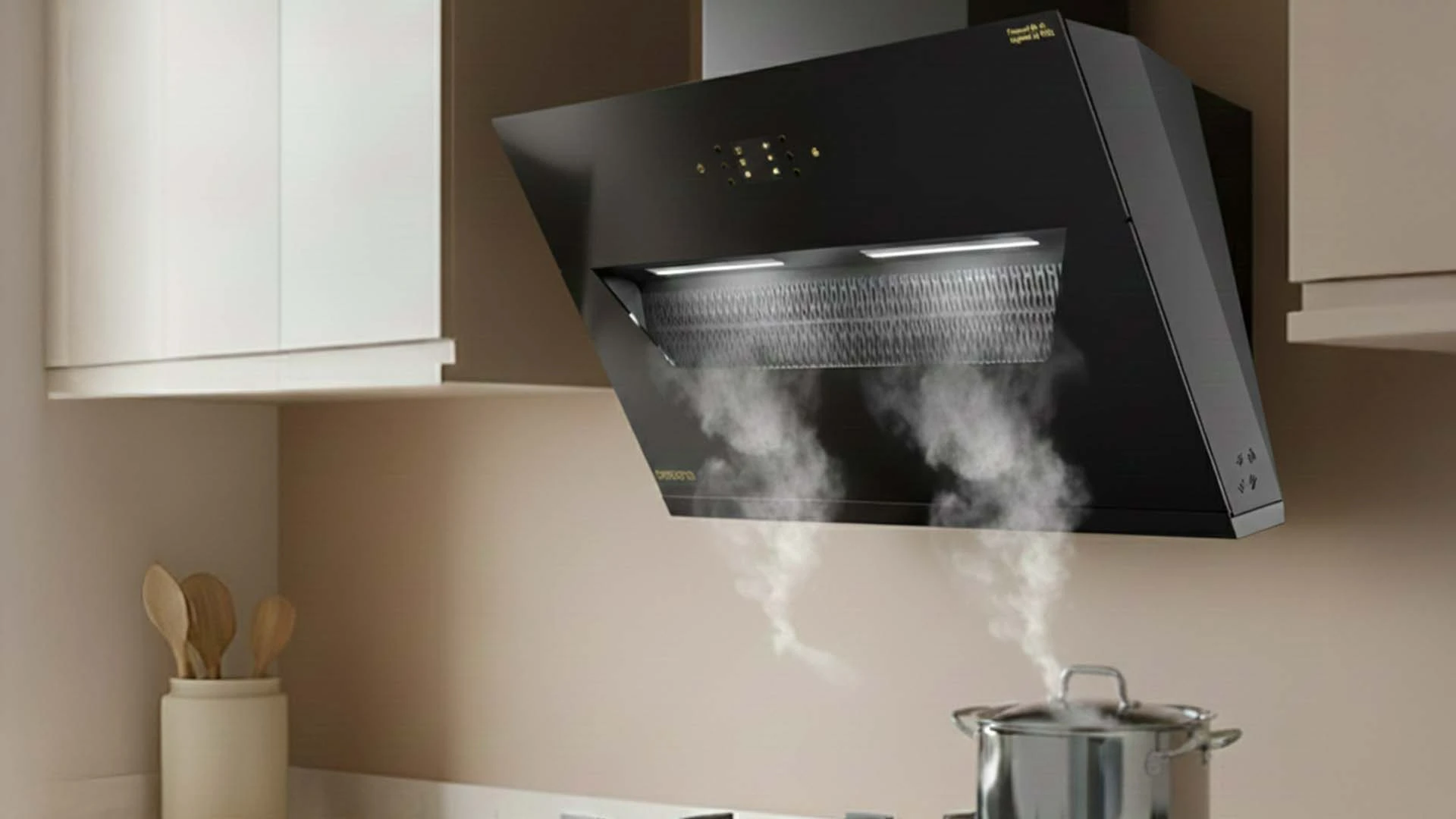
Selecting the perfect kitchen chimney design transforms your cooking space into a modern, efficient environment. The right chimney not only removes smoke and odors but also enhances your kitchen's aesthetic appeal. With numerous design options available today, from sleek wall-mounted units to sophisticated island chimneys, choosing the best chimney design for kitchen spaces requires understanding your specific needs, cooking habits, and kitchen layout. This comprehensive guide explores various chimney designs, helping you make an informed decision that combines functionality with style. Whether you have a compact kitchen or an expansive culinary space, the perfect chimney design awaits your discovery.
A superior kitchen chimney design combines powerful suction capabilities with aesthetic appeal and user-friendly features. The best designs prioritize efficient smoke extraction while complementing your kitchen's overall theme. Key performance indicators include suction power measured in cubic meters per hour, noise levels during operation, and energy efficiency ratings. Modern kitchen exhaust design focuses on three core elements: functionality, durability, and visual integration. Quality chimney designs feature robust motors, easy-to-clean surfaces, and intuitive controls. The materials used, such as stainless steel or tempered glass, significantly impact both performance and longevity. Additionally, the best designs incorporate advanced filtration systems that effectively capture grease and particles while maintaining optimal airflow.
Powerful suction capacity ranging from 400 to 1500 cubic meters per hour ensures effective smoke removal. Multiple speed settings allow customization based on cooking intensity. LED lighting provides excellent illumination for cooking surfaces. Auto-clean technology reduces maintenance requirements significantly.
Well-designed chimneys enhance kitchen workflow by eliminating cooking odors quickly. Strategic placement prevents smoke from spreading to other rooms. Proper sizing ensures adequate coverage without overwhelming the space. Quality designs minimize noise disruption during operation.
Different types of kitchen chimneys offer unique design advantages suited to various kitchen layouts and cooking preferences. Understanding these variations helps you select the most appropriate option for your specific requirements. Each type presents distinct installation considerations and aesthetic possibilities. Wall mounted chimney designs represent the most popular choice for traditional kitchen layouts. These units attach directly to the wall above your cooking surface, offering excellent suction power and easy maintenance access. Island chimney design caters to modern open-plan kitchens where the cooking area sits centrally, requiring ceiling-mounted installation for optimal performance.
T-shaped chimneys provide classic styling with powerful performance capabilities. Curved chimneys offer contemporary aesthetics with space-saving benefits. Slant or inclined chimneys maximize headroom while maintaining efficient operation. These designs typically require 24-30 inches clearance above the cooking surface.
Ceiling-mounted installation creates striking visual focal points in open kitchens. 360-degree suction capability handles smoke from all cooking directions. Sleek cylindrical or rectangular profiles complement modern kitchen themes. Professional installation ensures proper support and ventilation connections.
Filterless technology eliminates traditional maintenance requirements completely. Recirculation systems work effectively in apartments without external venting options. Compact designs suit kitchens with limited installation space. Energy-efficient operation reduces long-term operating costs significantly.
Small kitchens demand thoughtful chimney selection to maximize functionality without overwhelming the limited space. Compact kitchen chimney designs prioritize efficiency while maintaining proportional aesthetics. The key lies in selecting appropriately sized units that deliver adequate performance without dominating the visual landscape. Chimney for small kitchen spaces typically ranges from 60cm to 75cm in width, providing sufficient coverage for standard cooking surfaces. These designs often feature slim profiles that minimize visual bulk while delivering impressive suction capabilities. Curved and angular designs help create illusions of additional space while ensuring effective smoke extraction.
Vertical installation maximizes available wall space efficiently. Integrated designs blend seamlessly with existing cabinetry. Multi-functional units combine lighting and ventilation features. Corner installations utilize often-overlooked kitchen areas effectively.
60cm chimneys suit single-burner or small two-burner setups perfectly. 75cm units provide adequate coverage for standard four-burner configurations. Proper clearance maintains safety while optimizing available headroom. Professional measurement ensures perfect fit and optimal performance.
Contemporary modern kitchen chimney designs embrace minimalist aesthetics while incorporating cutting-edge technology. Today's designs feature clean lines, premium materials, and smart functionality that elevates the entire kitchen experience. Glass panels, stainless steel finishes, and LED accents create sophisticated visual appeal. Smart technology integration represents the latest evolution in chimney design. Touch-sensitive controls, automatic speed adjustment, and smartphone connectivity offer unprecedented convenience. These innovations transform traditional appliances into intelligent kitchen companions that respond to your cooking patterns and preferences.
Tempered glass surfaces provide easy cleaning and modern aesthetics. Brushed stainless steel offers durability with timeless appeal. Minimalist control panels maintain clean, uncluttered appearances. Ambient LED lighting creates attractive kitchen focal points.
Motion sensors activate chimneys automatically when cooking begins. Heat sensors adjust suction power based on cooking intensity. Timer functions provide convenient automatic shut-off capabilities. Mobile apps enable remote monitoring and control options.
Choosing the best chimney design for kitchen spaces requires careful consideration of multiple factors including kitchen size, cooking habits, and aesthetic preferences. Professional assessment helps identify the optimal combination of performance and visual appeal. Proper selection ensures years of reliable service and satisfaction. Kitchen layout significantly influences chimney design selection. Open-plan kitchens benefit from island or ceiling-mounted designs that complement the spacious feel. Galley kitchens work best with wall-mounted units that maximize limited space. L-shaped kitchens may require corner-specific designs for optimal coverage.
Measure cooking surface dimensions accurately for proper sizing. Evaluate ceiling height for adequate clearance requirements. Consider existing ventilation and electrical connections. Assess cabinet integration possibilities for seamless installation.
Heavy cooking requires higher suction capacity ratings. Occasional cooking allows for moderate-powered units. Gas cooking demands more powerful extraction than electric. Spicy cuisine preparation benefits from enhanced filtration systems.
Wall-mounted chimneys with high suction power (800+ CMH) handle Indian cooking effectively. T-shaped and curved designs offer excellent performance for heavy oil and spice usage. Baffle filters work better than mesh filters for Indian cooking styles.
90cm chimneys provide optimal coverage for standard 4-burner configurations. This size ensures effective smoke capture from all burners simultaneously. Smaller 75cm units may work for compact 4-burner setups with careful positioning.
Ductless designs offer easier installation without external venting requirements. They work through filtration and recirculation rather than external exhaust. Ducted versions provide superior smoke removal but require complex installation procedures.
Stainless steel offers durability and easy maintenance for long-term use. Tempered glass provides contemporary aesthetics with heat resistance. Combination designs using both materials create attractive, functional solutions.
Wall-mounted units require 24-30 inches clearance above gas burners. Electric cooking surfaces need 20-24 inches minimum clearance. Island chimneys typically need 30-36 inches for safe, effective operation.
Selecting the perfect kitchen chimney design requires balancing performance needs with aesthetic preferences and space constraints. Modern designs offer impressive technology integration while maintaining user-friendly operation. Proper sizing ensures optimal performance without overwhelming your kitchen space. Quality materials and construction provide long-term reliability and satisfaction. Professional installation guarantees safe operation and maximum efficiency for years of dependable service.
