
The Ultimate Smart Kitchen Appliance Maintenance Checklist
Cart
Your cart is empty
Smart kitchen appliances have revolutionized how we cook, clean, and manage our homes. These advanced devices offer incredible convenience and efficiency, but they also require specialized care to maintain their performance and extend their lifespan. Unlike traditional appliances, smart devices feature complex technology, sensors, and connectivity features that need specific maintenance approaches. Proper care not only protects your investment but also ensures optimal energy efficiency and prevents costly repairs down the line.
Modern kitchen upkeep has become more complex as smart appliances integrate advanced technology into everyday cooking tasks. These devices often cost significantly more than traditional models, making proper maintenance crucial for protecting your investment. Smart appliances feature sophisticated sensors, digital displays, and connectivity components that require specialized care to function properly.
Energy efficiency optimization represents another key benefit of regular maintenance. Well-maintained smart appliances consume less power and perform more effectively, reducing your utility bills over time. Many homeowners overlook the fact that poor maintenance can void warranties, leaving them responsible for expensive repairs that could have been prevented with proper care.
Smart refrigerators require different maintenance approaches compared to traditional models due to their advanced features and technology integration. These appliances often include digital displays, water dispensers, ice makers, and connectivity features that need regular attention to maintain optimal performance.
Clean digital displays weekly using a microfiber cloth slightly dampened with distilled water. Avoid harsh chemicals or abrasive materials that can damage the screen surface. For stubborn fingerprints, use a specialized electronics cleaner designed for touchscreens.
Clean refrigerator coils every six months to maintain energy efficiency. Dust and debris accumulation forces the compressor to work harder, increasing energy consumption. Use a coil brush or vacuum with a brush attachment to remove buildup from condenser coils located at the back or bottom of the unit.
Replace water filters according to manufacturer recommendations, typically every six months. Smart refrigerators often include filter replacement indicators, but manual tracking ensures optimal water quality. Flush the water system after filter changes to remove any air bubbles or loose carbon particles.
Check temperature accuracy monthly using an independent thermometer. Smart refrigerators rely on sensors for temperature control, and these can drift over time. Keep sensor areas clean and unobstructed to ensure accurate readings and optimal food preservation.
Compact appliance maintenance requires special attention in modern kitchens where space constraints and frequent use can accelerate wear and tear. Smart ovens, microwaves, and air fryers feature advanced heating elements, sensors, and control systems that need regular care to maintain performance and safety.
These appliances often work harder in compact spaces due to limited ventilation and higher usage frequency. Proper maintenance becomes even more critical to prevent overheating and ensure consistent cooking results.
Clean smart oven interiors weekly using mild soap and warm water, avoiding harsh chemicals that can damage sensors. Remove racks and drip pans for thorough cleaning, and wipe sensor areas gently with a damp cloth. Never use abrasive scrubbers near temperature probes or humidity sensors.
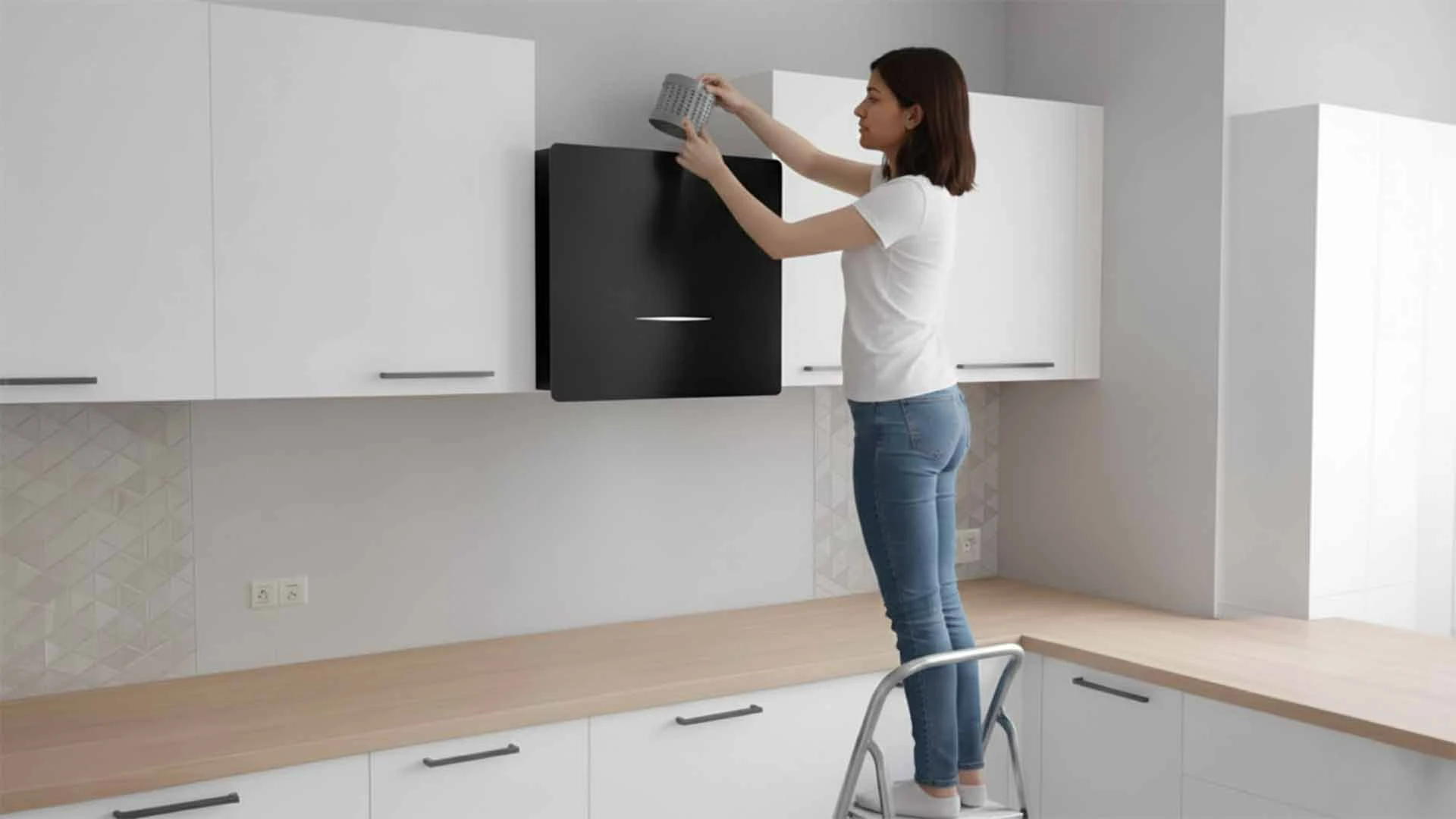
Check and clean ventilation filters monthly in compact kitchen setups where airflow is limited. Clogged filters reduce efficiency and can cause overheating. Replace or wash filters according to manufacturer guidelines to maintain proper air circulation.
Keep control panels clean and dry to prevent button malfunctions and connectivity issues. Update appliance software regularly through manufacturer apps to ensure optimal performance and access to new features. Check Wi-Fi connectivity monthly and troubleshoot connection problems promptly.
Smart dishwashers and small appliances require specific cleaning approaches to maintain their advanced features and ensure long-term reliability. These devices often include sophisticated filtration systems, sensors, and connectivity features that traditional cleaning methods might damage or compromise.
Water quality plays a crucial role in smart appliance performance, particularly for devices that use water for cleaning or cooking. Hard water can cause mineral buildup that affects sensors and reduces efficiency over time.
Clean dishwasher filters weekly to prevent food particle buildup that can clog spray arms and reduce cleaning effectiveness. Remove and rinse filters under hot water, using a soft brush to remove stubborn debris. Replace filters annually or when they show signs of wear or damage.
Remove and clean spray arms monthly to ensure proper water distribution during wash cycles. Soak arms in warm water and vinegar to dissolve mineral deposits, then use a toothpick to clear individual holes. Check for cracks or damage that might affect water pressure and cleaning performance.
Descale smart coffee makers every three months using manufacturer-recommended solutions or white vinegar. Run multiple brewing cycles with the descaling solution, followed by several water-only cycles to remove residual taste. Clean water reservoirs and brewing components weekly to prevent bacterial growth.
Extending appliance lifespan requires consistent preventative maintenance following structured schedules. Smart appliances benefit from regular attention to their unique components and features, which differ significantly from traditional appliance maintenance requirements.
Creating and following maintenance schedules helps identify potential problems before they become costly repairs. Most smart appliances include diagnostic features that can alert you to maintenance needs, but manual checks remain important for comprehensive care.
Perform monthly visual inspections of all smart appliances, checking for unusual sounds, odors, or performance changes. Clean exterior surfaces, update software, and test connectivity features. Document any issues or changes in performance for future reference.
Schedule quarterly deep cleaning sessions for all smart appliances, including interior components and hard-to-reach areas. Calibrate temperature settings, check seal integrity, and perform diagnostic tests using built-in appliance features. Replace consumable parts like filters and bulbs as needed.
Consider annual professional maintenance for high-value smart appliances, particularly those still under warranty. Professional technicians can perform advanced diagnostics, update firmware, and identify potential issues before they cause failures. Keep maintenance records for warranty purposes and resale value.
Appliance troubleshooting for smart devices requires understanding both mechanical and technological components. Many common issues can be resolved through simple troubleshooting steps, while others require professional intervention to avoid voiding warranties or causing additional damage.
Smart appliances often display error codes that provide specific information about problems, making diagnosis easier than with traditional appliances. However, connectivity and software issues introduce new troubleshooting challenges that require different approaches.
Learn to interpret error codes displayed by your smart appliances, as these provide valuable diagnostic information. Keep manufacturer manuals accessible for error code reference, and document recurring issues for pattern identification. Many error codes indicate simple problems like door seals or filter clogs that you can address yourself.
Resolve connectivity issues by checking Wi-Fi signal strength near appliances and ensuring network compatibility. Restart both the appliance and your router when experiencing connection problems. Update appliance apps regularly and check for firmware updates that might resolve connectivity issues.
Contact professional technicians for electrical issues, gas connections, or problems involving safety features. Attempt DIY repairs only for simple issues like cleaning, filter replacement, or basic calibration. When in doubt, consult manufacturer support before attempting repairs that might void warranties.
Maximizing smart appliance lifespan requires understanding factors beyond basic cleaning and maintenance. Environmental conditions, usage patterns, and power quality all significantly impact appliance longevity and performance over time.
Smart appliances are particularly sensitive to power fluctuations and environmental conditions due to their electronic components and sensors. Implementing advanced protection and optimization strategies can significantly extend their operational life and maintain peak performance.
Install whole-house surge protectors or individual surge protectors for valuable smart appliances to prevent damage from power fluctuations. Smart appliances contain sensitive electronic components that power surges can permanently damage. Consider uninterruptible power supplies for critical appliances in areas with frequent power issues.
Maintain stable humidity and temperature levels in your kitchen to protect smart appliance components. Excessive humidity can cause electronic corrosion, while temperature extremes affect sensor accuracy and component lifespan. Use exhaust fans and proper ventilation to control kitchen environment conditions.
Optimize appliance usage patterns to reduce wear and extend lifespan. Avoid overloading appliances, allow proper cooling time between uses, and follow manufacturer guidelines for maximum daily usage. Smart appliances often include usage tracking features that help identify optimization opportunities.
Clean smart kitchen appliances weekly for exterior surfaces and monthly for interior components. Deep cleaning should occur quarterly, with annual professional maintenance for high-value appliances. Follow manufacturer guidelines for specific cleaning frequencies based on usage patterns.
Smart appliances require specialized care for digital displays, sensors, and connectivity features that traditional appliances lack. They need software updates, Wi-Fi troubleshooting, and gentle cleaning methods to avoid damaging electronic components.
Use only electronics-safe cleaners or distilled water on smart appliance touchscreens. Avoid ammonia-based cleaners, abrasive materials, or excessive moisture that can damage sensitive display components and void warranties.
Focus on ventilation, regular cleaning, and proper spacing in compact kitchens. Ensure adequate airflow around appliances, clean filters more frequently due to concentrated cooking activities, and monitor for overheating in confined spaces.
Common issues include connectivity problems, sensor malfunctions, software glitches, and filter clogs. Most problems result from inadequate maintenance, poor Wi-Fi connectivity, or failure to update software regularly.
Professional maintenance typically costs between INR 1,500 to INR 5,000 annually depending on appliance type and service requirements. This investment often prevents costly repairs and extends appliance lifespan significantly.
Smart appliances need basic tools like microfiber cloths, electronics-safe cleaners, and soft brushes. Some may require specialized tools for filter replacement or calibration, which manufacturers typically provide or specify in user manuals.
Contact professionals for persistent error codes, electrical issues, gas-related problems, or when basic troubleshooting fails to resolve issues. Safety concerns or warranty-covered problems always require professional attention.
Smart kitchen appliance maintenance requires a comprehensive approach that addresses both traditional mechanical components and modern technological features. Regular cleaning, software updates, and environmental control form the foundation of effective maintenance programs that extend appliance lifespan and maintain optimal performance.
Implementing structured maintenance schedules, understanding troubleshooting basics, and knowing when to seek professional help ensures your smart appliances continue delivering the convenience and efficiency they were designed to provide. The investment in proper maintenance pays dividends through reduced energy costs, fewer repairs, and extended appliance life.
