

Step-by-Step Guide to Cleaning Gas Hob Burners for a Sparkling Kitchen
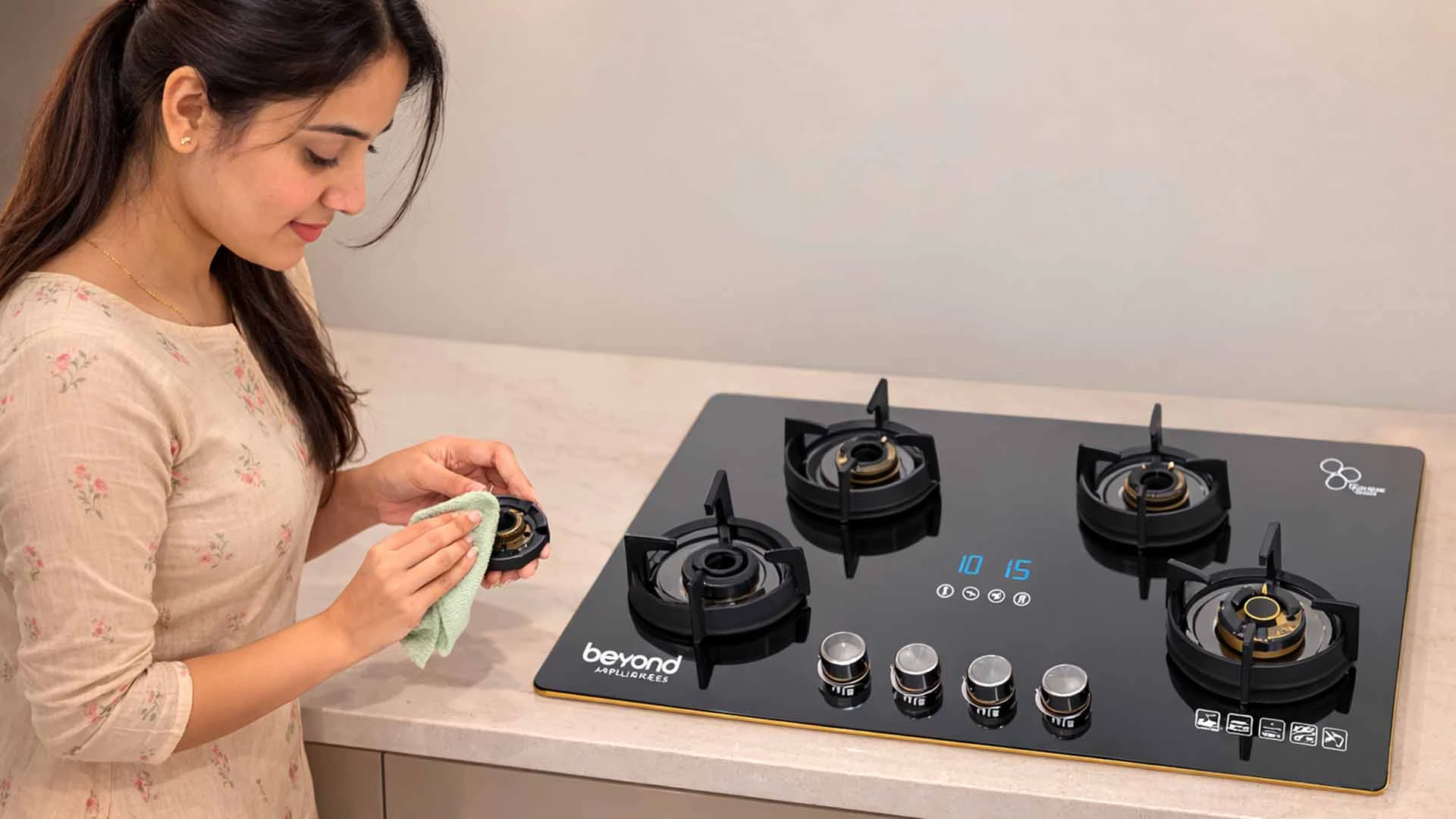
A clean gas hob is the heart of any efficient kitchen, yet many homeowners struggle with proper burner maintenance. Grease buildup, food spills, and clogged ports can significantly impact your cooking experience and even pose safety risks. Regular cleaning gas hob burners not only ensures optimal performance but also extends the lifespan of your appliance. This comprehensive guide will walk you through professional-grade techniques to achieve a sparkling clean gas hob that performs like new.
Maintaining clean gas burners goes far beyond aesthetics. When burner ports become clogged with grease and food particles, gas flow becomes restricted, leading to uneven flames and poor cooking performance. This inefficiency can increase your gas consumption and cooking times significantly.
Safety remains the primary concern with dirty burners. Blocked ports can cause gas to accumulate, creating potential fire hazards. Additionally, grease buildup can ignite unexpectedly, posing serious risks to your family. Regular gas stove burner cleaning tips implementation prevents these dangerous situations while ensuring consistent flame distribution for better cooking results.
Gathering the right supplies makes the deep clean gas burners process more efficient and effective. You'll need basic household items alongside a few specialized tools to tackle different types of buildup and materials.
Essential cleaning supplies include warm soapy water, baking soda, white vinegar, and soft-bristled brushes. For stubborn grease, commercial degreasers work exceptionally well. You'll also need clean cloths, paper towels, and rubber gloves for protection.
Baking soda and vinegar create a powerful cleaning combination that's safe for most burner materials. Mix three parts baking soda with one part water to form a paste for scrubbing action.
Toothpicks or thin wire help clear clogged burner ports safely. Soft-bristled toothbrushes reach tight spaces around burner heads. For cleaning stainless steel gas hob surfaces, microfiber cloths prevent scratching while providing excellent cleaning power.
Safety must be your top priority when cleaning gas stove top components. Always ensure the gas supply is completely shut off at the main valve before beginning any cleaning process. Allow burners to cool completely for at least 30 minutes after use.
Remove all cookware and clear the surrounding workspace. Lay down towels or newspapers to protect countertops from cleaning solutions and water. Identify all removable components including grates, burner caps, and burner heads before starting the disassembly process.
Understanding your gas hob's structure helps prevent damage during cleaning. Most gas hobs feature removable grates, burner caps, and burner heads that can be cleaned separately.
Different materials require specific cleaning approaches. Cast iron grates need careful drying to prevent rust, while enamel surfaces require gentle handling to avoid chipping or scratching.
The systematic approach to cleaning gas hob burners ensures thorough results without damaging delicate components. Start by removing all detachable parts and organizing them for efficient cleaning workflow.
Begin with the largest components like grates, then move to smaller parts like burner caps and heads. This sequence prevents cross-contamination and allows you to use cleaning solutions most effectively.
Lift grates straight up to avoid scratching the hob surface. Burner caps typically lift off easily, while burner heads may require gentle twisting or lifting depending on your model's design.
Fill a large sink or basin with hot soapy water. Submerge removable parts for 15-20 minutes to loosen grease and food particles. Avoid soaking cast iron components for extended periods to prevent rust formation.
Use soft-bristled brushes to scrub away loosened debris. For stubborn spots, apply baking soda paste and let it sit for 10 minutes before scrubbing. Pay special attention to burner ports, using toothpicks to clear any blockages gently.
When standard cleaning methods aren't sufficient to remove grease from gas hob components, specialized techniques can restore your burners to like-new condition. These methods target specific problems like heavy grease buildup and clogged ports.
The key to success lies in matching the cleaning method to the type of buildup you're dealing with. Fresh spills respond well to basic soap and water, while baked-on grease requires more aggressive approaches.
Create a paste using three tablespoons of baking soda and one tablespoon of water. Apply this paste to greasy areas and let it sit for 15 minutes. Spray white vinegar over the paste to create a foaming action that breaks down grease effectively.
Identifying cleaning clogged gas burner ports requires careful inspection of each port opening. Use a flashlight to spot blockages, then gently clear them with toothpicks or thin wire. Never use metal objects that could damage the port openings.
For extremely greasy surfaces, commercial degreasers provide powerful cleaning action. Apply the degreaser according to manufacturer instructions, allowing sufficient contact time for optimal results. Always ensure adequate ventilation when using chemical cleaners.
Different hob materials require tailored cleaning approaches to maintain their appearance and functionality. Understanding these differences prevents damage while achieving optimal cleaning results.
The best way to clean gas stove burners depends largely on the materials involved. Stainless steel, cast iron, and enamel surfaces each have unique care requirements that must be respected during the cleaning process.
When cleaning stainless steel gas hob surfaces, always work with the grain direction to prevent scratching. Use specialized stainless steel cleaners or a mixture of warm water and mild dish soap for daily maintenance.
Cast iron requires immediate and thorough drying after washing to prevent rust formation. Apply a thin layer of cooking oil after cleaning to maintain the protective seasoning and prevent corrosion.
Enamel surfaces need gentle treatment to avoid chipping or scratching. Use soft cloths and non-abrasive cleaners to maintain the protective coating that keeps these surfaces looking new.
Proper reassembly ensures your newly cleaned burners function safely and efficiently. Take time to dry all components thoroughly before reinstalling them to prevent water spots and potential safety issues.
The reassembly process reverses the disassembly steps, starting with burner heads and caps, then finishing with grates. Ensure all components are properly aligned and seated before testing the burners.
Air-dry components on clean towels for at least 30 minutes. For faster drying, use a clean cloth to hand-dry each piece thoroughly, paying special attention to crevices where water might collect.
Install burner heads first, ensuring they sit flush with the hob surface. Add burner caps next, checking that they're properly centered over the heads. Finally, replace grates, making sure they're stable and level.
After reassembly, test each burner individually to ensure proper gas flow and flame distribution. Look for even, blue flames that indicate optimal performance and proper port clearance.
Establishing a regular maintenance routine prevents heavy buildup and makes future cleaning sessions much easier. Daily wipe-downs and weekly deep cleaning keep your gas hob performing optimally.
Professional gas stove burner cleaning tips emphasize prevention over correction. Simple daily habits like wiping spills immediately and using splatter screens can dramatically reduce cleaning time and effort.
Wipe down the hob surface after each use while it's still warm but not hot. This prevents grease from hardening and makes removal much easier during weekly deep cleaning sessions.
Remove and clean burner components weekly if you cook frequently, or bi-weekly for lighter use. This prevents heavy buildup that requires aggressive cleaning methods.
Conduct thorough inspections monthly to identify potential issues early. Check for loose components, damaged parts, or excessive wear that might require professional attention.
The easiest approach involves daily wipe-downs with warm soapy water and weekly removal of components for thorough cleaning. Using baking soda paste for stubborn spots and ensuring all parts are completely dry before reassembly makes the process straightforward and effective.
For in-place cleaning, turn off gas and let burners cool completely. Use a damp cloth with mild detergent to wipe surfaces, then use cotton swabs dipped in cleaning solution to clean around burner ports. Avoid getting water into gas openings and dry thoroughly afterward.
Clean burner surfaces daily after use, remove and wash components weekly for heavy use or bi-weekly for moderate use. Deep cleaning with specialized methods should be done monthly or when you notice reduced flame performance or visible buildup.
Avoid harsh oven cleaners on gas burner components as they can damage finishes and leave residues that affect gas flow. Stick to mild dish soap, baking soda, and specialized burner cleaners designed for gas appliances.
Uneven flames after thorough cleaning may indicate deeper blockages in gas lines or damaged burner components. Check that all parts are properly reassembled and ports are completely clear. If problems persist, contact a qualified technician for professional inspection.
Use splatter screens while cooking, wipe spills immediately while surfaces are warm, and maintain proper ventilation with a quality kitchen chimney. Regular daily maintenance prevents heavy buildup that requires intensive cleaning methods.
Regular cleaning gas hob burners ensures optimal performance, safety, and longevity of your cooking appliance. The combination of daily maintenance, weekly component cleaning, and monthly deep cleaning creates a sustainable routine that keeps your gas hob functioning like new.
Remember that prevention is always easier than correction. Simple habits like immediate spill cleanup and proper ventilation significantly reduce the time and effort required for deep cleaning. When combined with the right techniques and materials, maintaining a sparkling clean gas hob becomes a manageable part of your kitchen routine that pays dividends in cooking performance and appliance longevity.
