

Smart Chimney 101: Benefits & Design Explained
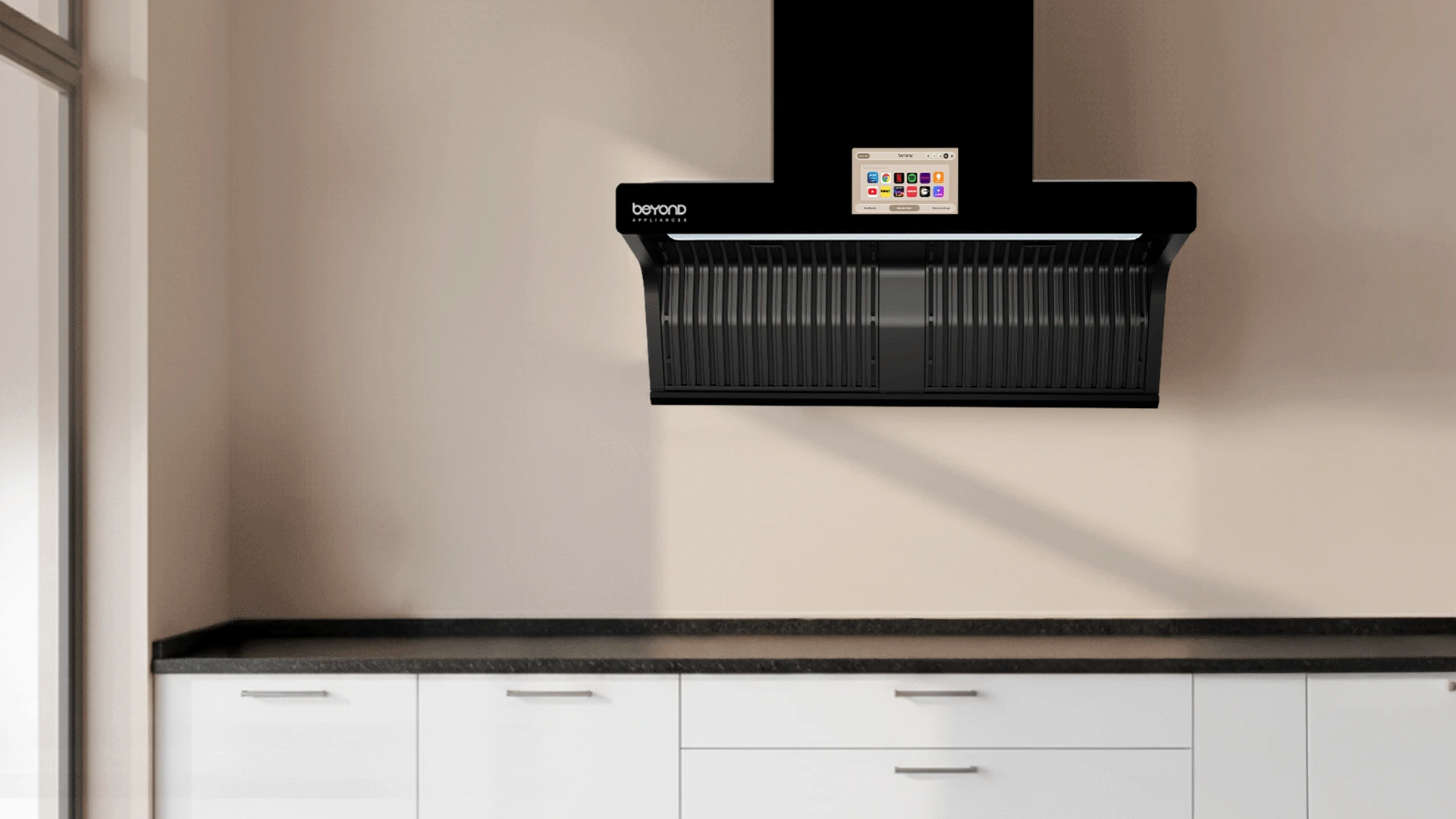
Modern kitchens demand smart solutions that blend efficiency with convenience. Smart chimneys represent the next evolution in kitchen ventilation, offering automated controls, energy savings, and enhanced performance. These intelligent systems use advanced sensors and connectivity features to create a seamless cooking experience. Unlike traditional chimneys that operate at fixed speeds, smart models adapt to your cooking needs automatically. The advantages of smart chimney systems extend far beyond basic ventilation, transforming how we approach kitchen design and functionality.
Smart chimneys integrate Internet of Things (IoT) technology with traditional ventilation systems. These devices use sensors to detect cooking activity, smoke levels, and steam automatically. When you start cooking, the chimney activates and adjusts suction power based on real-time conditions. The core technology relies on BLDC (Brushless Direct Current) motors that consume significantly less energy than conventional AC motors. These motors provide variable speed control and operate more quietly. Smart sensors monitor air quality continuously, detecting changes in temperature, humidity, and particulate matter. The system processes this data to optimize performance without manual intervention.
Modern chimney technology incorporates multiple sensor types for comprehensive monitoring. Heat sensors detect temperature changes from cooking surfaces. Smoke detectors identify particulate matter in the air. Humidity sensors track steam levels from boiling or steaming food.
WiFi connectivity enables remote control through smartphone apps. Users can monitor performance, adjust settings, and receive maintenance alerts from anywhere. Some models integrate with voice assistants for hands-free operation.
The advantages of smart chimney technology create compelling reasons for upgrading from traditional models. These benefits span energy efficiency, convenience, safety, and long-term cost savings. Smart systems deliver consistent performance while reducing manual intervention requirements. Energy consumption drops by approximately 50% compared to traditional chimneys. This reduction comes from intelligent speed control that matches suction power to actual cooking needs. Traditional chimneys often run at maximum speed regardless of requirements, wasting energy.
BLDC motors in smart chimneys consume 50-70% less electricity than conventional AC motors. The variable speed control adjusts power consumption based on cooking intensity. During light cooking, the system operates at minimal power levels. Smart energy monitoring tracks usage patterns and provides insights for optimization. Users can view consumption data through mobile apps and identify opportunities for further savings. Over time, reduced electricity bills offset the higher initial investment.
Real-time air quality monitoring ensures optimal indoor environment. Sensors detect cooking smoke, steam, and odors immediately. The system responds by adjusting suction power automatically, maintaining clean air without user intervention. Particulate matter sensors identify fine particles that traditional chimneys might miss. This enhanced detection capability improves overall air quality significantly. Families with respiratory sensitivities benefit from cleaner indoor air.
Chimney automation eliminates the need for manual speed adjustments during cooking. The system learns cooking patterns and anticipates ventilation needs. Auto-start functionality begins operation when heat or smoke is detected. Programmable settings allow customization for different cooking styles. Users can create profiles for various cooking methods like frying, grilling, or steaming. Memory functions remember preferred settings for specific recipes or cooking times.
Smart safety features provide peace of mind during cooking. Fire hazard detection sensors monitor temperature spikes that could indicate dangerous conditions. Automatic shut-off functions activate when unsafe conditions are detected. Real-time alerts notify users of potential issues through smartphone notifications. These warnings can prevent kitchen accidents and equipment damage. Remote monitoring capabilities allow checking kitchen conditions when away from home.
Contemporary kitchen design emphasizes clean lines, minimal clutter, and integrated appliances. Smart chimneys complement these design principles while providing superior functionality. The sleek profiles and advanced features align with modern aesthetic preferences. Modern chimney design incorporates touch controls, LED displays, and premium materials. These elements create focal points that enhance kitchen visual appeal. The integration of technology with design creates appliances that are both functional and beautiful.
Compact chimney solutions maximize kitchen space efficiency without compromising performance. Slimmer profiles fit seamlessly into contemporary kitchen layouts. Wall-mounted designs free up counter space for food preparation. Space optimization becomes crucial in urban apartments where kitchen areas are limited. Smart chimneys deliver powerful ventilation in smaller packages. The efficient design allows for creative kitchen layouts that weren't possible with bulky traditional models.
BLDC motors operate significantly quieter than traditional AC motors. Sound dampening materials and aerodynamic fan designs minimize operational noise. Cooking conversations remain comfortable even when the chimney operates at higher speeds. Noise levels typically range from 35-45 decibels during normal operation, comparable to library quiet zones. This reduction enhances the cooking experience and maintains peaceful kitchen environments.
Smart chimneys integrate seamlessly with existing home automation systems. WiFi connectivity enables control through dedicated mobile apps or smart home platforms. Voice assistant compatibility allows hands-free operation during cooking. Smart home chimney integration extends beyond basic controls. These systems can coordinate with other kitchen appliances for optimized performance. For example, the chimney can activate automatically when smart cooktops detect high-temperature cooking. Chimney control systems provide detailed analytics about usage patterns and performance metrics. Users gain insights into cooking habits and energy consumption trends. This data helps optimize settings for maximum efficiency and convenience.
Efficient chimney systems combine powerful suction with intelligent operation. Variable speed controls ensure optimal performance across different cooking scenarios. The systems adapt automatically to maintain consistent air quality regardless of cooking intensity. Performance optimization occurs continuously through sensor feedback and algorithmic adjustments. This dynamic operation ensures maximum efficiency while minimizing energy consumption. Users experience superior ventilation without manual fine-tuning.
Steam-based auto-clean technology reduces manual maintenance requirements significantly. The system generates steam to dissolve grease and food particles automatically. This process occurs during scheduled maintenance cycles or on-demand activation. Cleaning effectiveness improves compared to manual methods. Steam penetrates hard-to-reach areas that traditional cleaning might miss. The automated process ensures consistent maintenance standards without user effort.
BLDC motors have fewer moving parts than AC motors, reducing wear and tear. The intelligent operation prevents overuse and extends component lifespan. Predictive maintenance alerts notify users before issues become serious problems. Component longevity increases through optimized operation patterns. The system avoids unnecessary stress on motors and fans. Regular auto-clean cycles prevent grease buildup that could damage internal components.
Smart chimneys provide excellent long-term value despite higher initial costs. Energy savings of 50-70% typically recover the investment within 3-4 years. Enhanced convenience, safety features, and reduced maintenance costs add significant value. The improved cooking experience and air quality benefits justify the premium pricing.
Energy efficient chimney systems reduce electricity consumption by 50-70% compared to traditional models. BLDC motors consume approximately 150-200 watts versus 300-400 watts for AC motors. Variable speed control further reduces consumption during light cooking. Annual savings range from INR 2,000-4,000 depending on usage patterns.
Auto-clean technology minimizes manual maintenance requirements. Monthly auto-clean cycles handle most grease and particle removal. Users should clean external surfaces and replace filters as recommended. Professional servicing once yearly ensures optimal performance and warranty compliance.
Smart chimneys maintain basic functionality without internet connection. Sensor-based automation, speed controls, and safety features operate independently. Advanced features like remote control, usage analytics, and software updates require connectivity. Manual controls remain available as backup operation methods.
Initial costs are 30-50% higher than traditional chimneys. Technology dependence may concern users preferring simple mechanical controls. Privacy considerations exist with connected devices collecting usage data. However, the benefits typically outweigh these concerns for most users.
Smart chimneys represent a significant advancement in kitchen ventilation technology. The advantages of smart chimney systems include substantial energy savings, enhanced convenience, and improved air quality. Automation features reduce manual intervention while providing superior performance. Integration with smart home systems creates seamless cooking experiences. While initial investments are higher, long-term benefits justify the costs through energy savings and enhanced functionality. Modern kitchen design benefits from the sleek aesthetics and space-efficient profiles of smart chimneys.
