
Modular Kitchen Chimney Design: Complete Guide
Cart
Your cart is empty
Modern kitchens demand smart solutions that blend functionality with style. A well-designed modular kitchen chimney serves as both a practical necessity and an aesthetic centerpiece. Whether you're planning a compact kitchen or an expansive culinary space, understanding chimney design principles helps you make informed decisions. From ductless options to island installations, the right chimney transforms your cooking experience while maintaining clean air and elegant appeal.
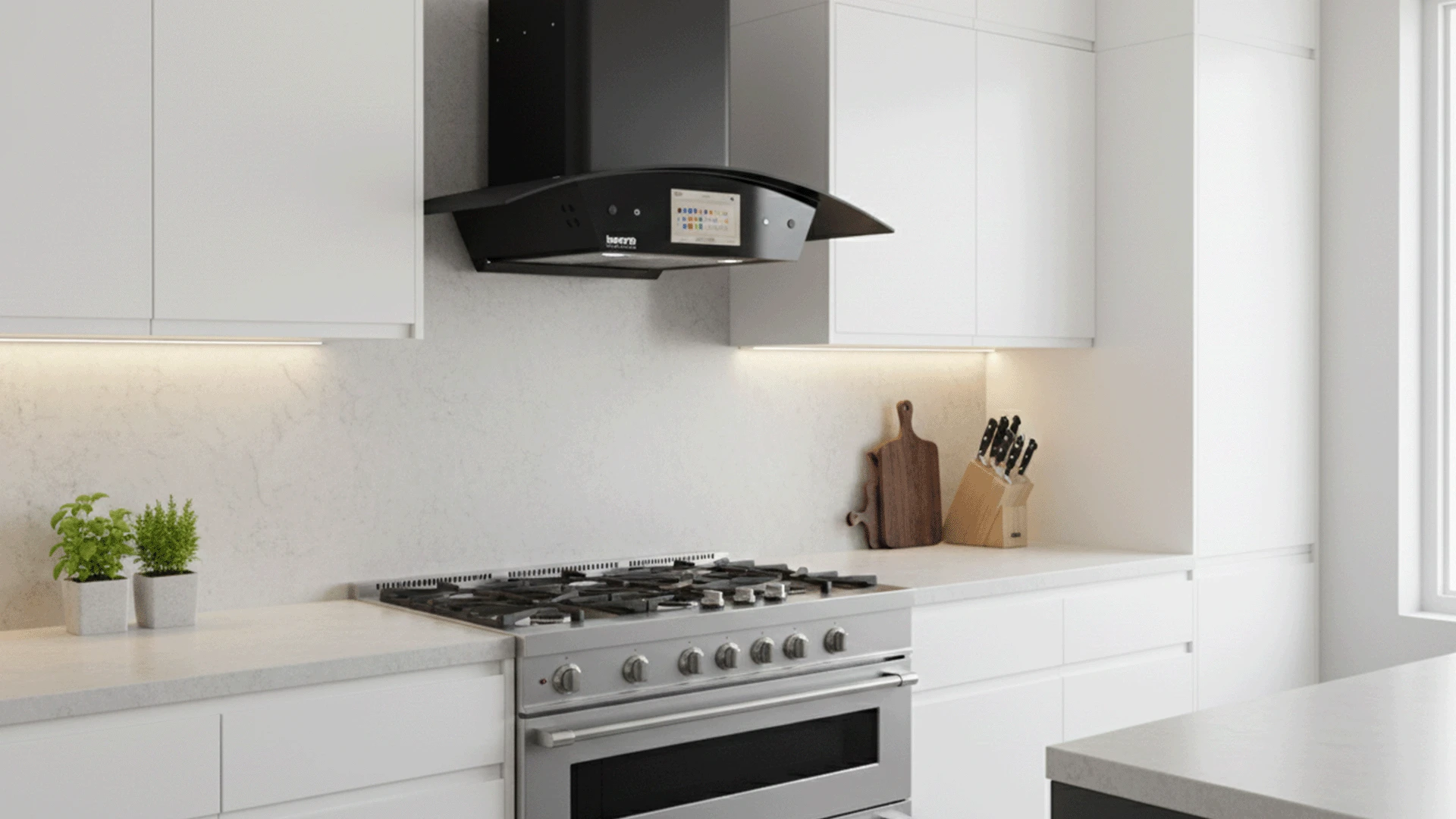
Modular kitchen chimney design represents a sophisticated approach to kitchen ventilation that seamlessly integrates with contemporary cabinetry systems. Unlike traditional range hoods, these units are specifically engineered to complement modular kitchen layouts, offering enhanced flexibility and visual appeal.
The core components include a powerful motor, efficient filtration system, and sleek housing that matches your kitchen's design language. Modern units feature baffle filters or filterless technology that effectively capture grease and smoke particles. The housing materials range from premium stainless steel to tempered glass, ensuring durability while maintaining aesthetic appeal.
Space optimization stands as a primary benefit of modular chimney design. These units maximize vertical space utilization while providing superior suction power ranging from 400 to 1200 m³/hr. The integration with kitchen cabinets creates a cohesive look that enhances property value and cooking comfort.
Essential design elements include adjustable mounting systems, LED lighting integration, and noise reduction technology. Most quality units operate below 58dB, ensuring peaceful cooking environments. The modular approach allows for customization based on kitchen size, cooking habits, and aesthetic preferences.
Selecting the appropriate chimney type depends on your kitchen layout, cooking patterns, and installation constraints. Each design offers specific advantages suited to different spatial requirements and aesthetic goals.
Wall-mounted designs work excellently for linear kitchen layouts where the cooking area sits against a wall. These units offer robust suction power and easy maintenance access. Standard widths include 60cm for compact spaces, 75cm for medium kitchens, and 90cm for larger cooking areas.
Island installations require specialized ceiling-mounted units that provide 360-degree suction coverage. These designs often feature dramatic visual appeal with glass canopies and integrated lighting systems. Installation height typically ranges from 28 to 32 inches above the cooktop surface.
Ductless systems offer installation flexibility where external venting isn't feasible. These units use advanced carbon filters to purify air before recirculating it back into the kitchen. While slightly less efficient than ducted systems, they provide excellent solutions for apartments and complex layouts.
Space-constrained kitchens benefit from telescopic or retractable designs that extend during cooking and retract when not in use. These innovative solutions maintain clean lines while providing necessary ventilation power when needed.
Contemporary chimney technology has evolved significantly, incorporating smart features that enhance user experience and maintenance convenience. Understanding these innovations helps you select units that offer long-term value and performance.
Auto-clean technology represents a major advancement, using heat treatment to break down grease deposits automatically. This feature reduces maintenance requirements and ensures consistent performance over time. Touch panel controls provide intuitive operation with multiple speed settings and timer functions.
Modern units often include IoT connectivity, allowing smartphone control and monitoring. These systems can automatically adjust suction power based on cooking intensity and provide maintenance reminders. LED lighting systems offer both task illumination and ambient lighting options.
Advanced motor designs and sound dampening materials ensure quiet operation. Premium units achieve noise levels below 50dB even at maximum suction power, creating comfortable cooking environments for open-plan homes.
Proper chimney installation ensures optimal performance, safety, and longevity. Understanding technical requirements helps you plan effectively and avoid common installation mistakes that compromise functionality.
The optimal installation height ranges from 26 to 32 inches above the cooktop surface, depending on chimney type and cooking habits. This distance balances effective smoke capture with safe clearance for tall cookware. Professional installation ensures compliance with safety standards and manufacturer warranties.
Ducted installations require careful planning of the exhaust route to exterior walls or roofs. Minimize bends and maintain consistent duct diameter to preserve suction efficiency. Use quality ducting materials that resist corrosion and maintain structural integrity over time.
Most chimneys require dedicated electrical circuits with proper grounding. Ensure adequate power supply and consider surge protection for units with electronic controls. Professional electricians should handle all electrical connections to ensure safety and code compliance.
Successful chimney integration requires careful consideration of materials, colors, and proportions that complement your overall kitchen design. The chimney should enhance rather than dominate the visual space while providing necessary functionality.
Material coordination plays a crucial role in achieving cohesive design. Stainless steel finishes work well with contemporary appliances, while glass surfaces create modern, sophisticated appearances. Some manufacturers offer custom color options to match specific cabinet finishes or design themes.
Integrated LED lighting serves dual purposes, providing task illumination for cooking while contributing to ambient kitchen lighting. Adjustable brightness controls allow customization based on time of day and cooking requirements.
Chimney size should relate proportionally to kitchen dimensions and cooktop width. Oversized units can overwhelm small spaces, while undersized chimneys may appear inadequate in large kitchens. Professional designers can help achieve optimal visual balance.
Understanding chimney costs helps you budget effectively and select units that provide optimal value for your specific requirements. Prices vary significantly based on features, size, and technology level.
Budget-friendly options typically range from INR 7,600 to INR 15,000, offering basic functionality with manual controls and standard filtration. Mid-range units (INR 15,000 to INR 40,000) include auto-clean features, better materials, and improved noise control. Premium models exceed INR 40,000, featuring advanced technology, superior build quality, and comprehensive warranties.
Professional installation typically adds INR 2,000 to INR 8,000 depending on complexity and local labor rates. Ducting requirements, electrical work, and structural modifications can increase total project costs. Factor these expenses into your overall budget planning.
Energy-efficient models reduce operational costs over time. Quality units with robust warranties provide better long-term value despite higher initial investment. Consider maintenance requirements and parts availability when evaluating total ownership costs.
Yes, chimneys are essential for maintaining air quality and preventing grease buildup in modular kitchens. They remove smoke, odors, and airborne particles that can damage cabinets and create unhealthy cooking environments. Many building codes require proper ventilation in residential kitchens. Additionally, chimneys significantly improve resale value and create more comfortable cooking experiences.
The best chimney type depends on your kitchen layout and cooking habits. Wall-mounted units work well for linear kitchens, while island chimneys suit open-plan designs. Ductless options provide flexibility for apartments. Choose suction power between 400-1200 m³/hr based on kitchen size. Baffle filters offer easy maintenance, while filterless technology reduces ongoing costs.
Total costs typically range from INR 10,000 to INR 50,000 including installation. Basic units cost INR 7,600-15,000, mid-range options INR 15,000-40,000, and premium models exceed INR 40,000. Installation adds INR 2,000-8,000 depending on complexity. Consider ducting, electrical work, and structural modifications as additional expenses. Quality units provide better long-term value despite higher initial costs.
Install chimneys 26-32 inches above the cooktop surface for optimal performance and safety. Center the unit over the cooking area with adequate clearance from cabinets and windows. Ensure straight ducting paths with minimal bends to maintain suction efficiency. Avoid placement near air conditioning vents or high-traffic areas that might disrupt airflow patterns.
Regular maintenance includes cleaning filters monthly, wiping exterior surfaces weekly, and checking ducting annually. Auto-clean models require less frequent filter attention but still need periodic inspection. Replace carbon filters in ductless units every 3-6 months. Professional servicing annually ensures optimal performance and extends unit lifespan. Keep manufacturer documentation for warranty and service requirements.
Modular kitchen chimney design represents a perfect blend of functionality and aesthetics for modern homes. Success depends on selecting appropriate types based on kitchen layout, understanding installation requirements, and choosing features that match your cooking habits and budget. Whether you opt for wall-mounted, island, or ductless designs, proper planning ensures optimal performance and visual appeal. Investment in quality units with professional installation provides long-term value through improved air quality, enhanced cooking comfort, and increased property value. Consider your specific needs, available space, and budget constraints when making final decisions to achieve the best results for your modular kitchen project.
