
Master Chimney Height: Complete Installation Guide
Cart
Your cart is empty
Installing a kitchen chimney at the correct height is crucial for optimal performance and safety. The right installation height ensures proper ventilation, prevents smoke from escaping into your kitchen, and maintains compliance with building regulations. Whether you're setting up an Android chimney, T-shaped chimney, or any other modern design, understanding the proper installation process will help you achieve the best results. This comprehensive guide walks you through everything you need to know about chimney installation height, from understanding regulations to completing the installation process safely and effectively.
Chimney height regulations vary by location, but most follow standard building codes that prioritize safety and efficiency. The National Building Code provides baseline requirements, while local municipalities may have additional specifications. Understanding these regulations before starting your installation prevents costly mistakes and ensures compliance. The most common rule is the 3-2-10 standard: your chimney must extend at least 3 feet above the roof penetration point and 2 feet higher than any part of the building within 10 feet horizontally. This regulation applies to most residential installations and helps ensure proper draft and safety clearances.
Most regions follow International Residential Code (IRC) standards for chimney installations. These codes specify minimum heights, clearance requirements, and structural support guidelines. Always check your local building department for specific requirements in your area.
Some areas have stricter requirements due to climate conditions, fire safety concerns, or architectural preservation rules. Coastal areas might require additional height for wind resistance, while historic districts may have aesthetic restrictions.
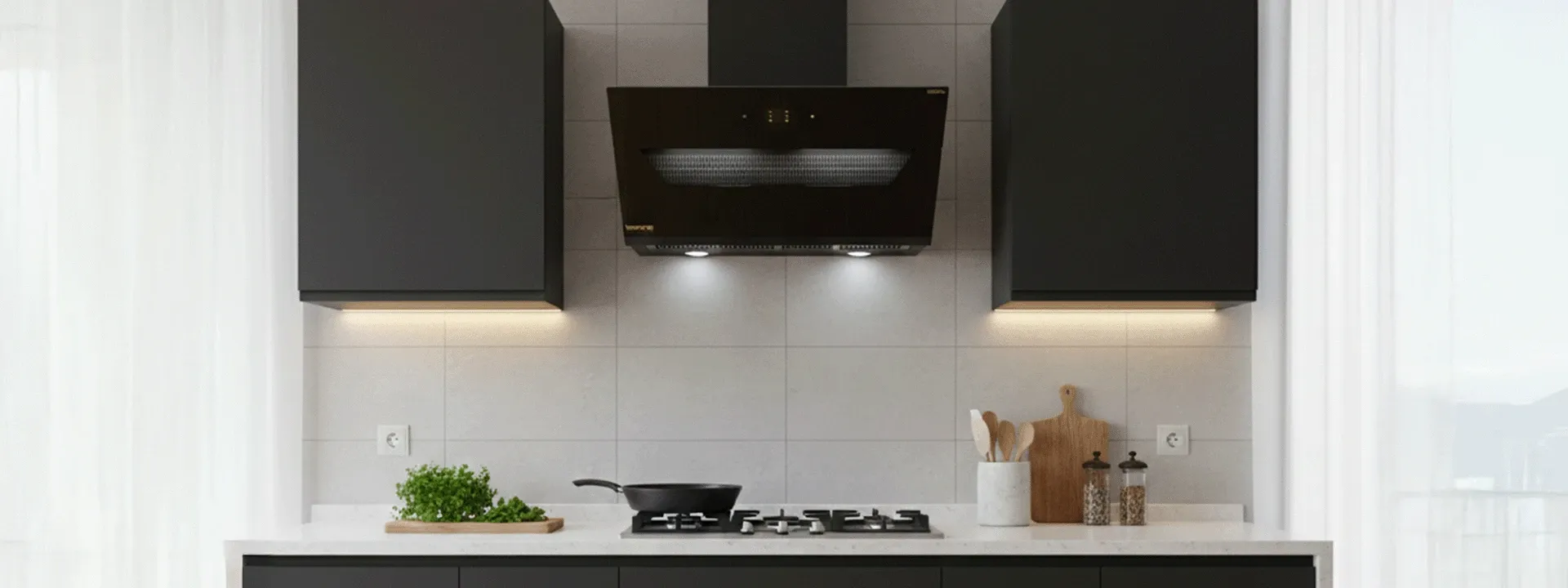
Calculating the correct chimney height involves several factors beyond basic code requirements. Your roof pitch, surrounding structures, and the type of appliance all influence the optimal height. Kitchen chimneys typically require different considerations than wood stove or fireplace installations. For kitchen chimneys, the standard installation height ranges from 24 to 30 inches above the cooktop surface. This distance ensures effective smoke capture while providing adequate clearance for cooking activities. However, the external chimney pipe extending through your roof follows different height requirements.
Steeper roof pitches may require taller chimneys to achieve proper clearance from the roof surface. Calculate the highest point within 10 feet of your chimney location to determine the minimum required height.
Nearby buildings, large trees, or other structures can create wind patterns that affect chimney performance. Additional height may be necessary to overcome these challenges and maintain proper draft.
Successful chimney installation requires proper tools and high-quality materials. Having everything ready before starting prevents delays and ensures a smooth installation process. Safety equipment is particularly important when working on rooftops. Your tool list should include a measuring tape, level, drill with appropriate bits, reciprocating saw, and roofing tools. For safety, invest in a quality harness, non-slip shoes, and have a helper available during the installation process.
• Measuring tape and level for accurate positioning • Drill with masonry and metal bits • Reciprocating saw for roof penetration • Screwdrivers and wrenches for assembly • Roofing tools for flashing installation • Safety harness and ladder
Choose chimney pipes rated for your specific application. Stainless steel pipes offer excellent durability and corrosion resistance. Ensure all components are compatible and meet local building code requirements.
Proper installation begins with careful planning and accurate measurements. Start by determining the exact location for your roof penetration, considering both interior chimney placement and exterior clearance requirements. Mark the location clearly and double-check all measurements before cutting. Begin installation from inside your home, working upward through the roof. This approach provides better control and accuracy for the initial positioning. Ensure your chimney pipe sections are properly aligned and securely connected at each joint.
Measure the distance from your cooktop to the planned roof exit point. Account for any obstacles like ceiling joists or attic structures. Create a detailed plan showing pipe routing and support locations.
Cut the roof opening slightly larger than your pipe diameter to accommodate flashing. Install proper flashing and weatherproofing materials to prevent water infiltration. This step is critical for long-term performance.
Connect pipe sections from bottom to top, ensuring each joint is properly sealed. Use appropriate fasteners and support brackets at recommended intervals. Check alignment frequently during assembly.
Sometimes initial installations don't meet height requirements due to measurement errors or code changes. Chimney extensions provide a solution without requiring complete reinstallation. However, extensions require additional structural support and careful integration with existing components. When adding extensions, consider wind load factors and ensure adequate bracing. Tall chimneys experience significant wind forces that can cause structural problems if not properly supported. Professional consultation may be necessary for extensions exceeding certain heights.
Extensions become necessary when initial height calculations were incorrect or when nearby construction changes clearance requirements. They're also needed when upgrading to more powerful ventilation systems.
Tall chimneys require guy wires or additional bracing to handle wind loads safely. Calculate the total height and wind exposure to determine appropriate support methods.
Many installation problems stem from incorrect height calculations or inadequate support. Insufficient height leads to poor draft performance and potential safety hazards. Over-height installations can create unnecessary wind resistance and structural stress. Always prioritize safety during installation. Roof work carries inherent risks, and proper safety equipment is essential. Consider professional installation for complex situations or when you're uncomfortable with any aspect of the process.
Double-check all measurements and code requirements before beginning installation. Incorrect heights can require expensive corrections and may not pass building inspections.
Inadequate support leads to chimney movement, joint failures, and potential collapse. Follow manufacturer specifications for support spacing and hardware.
The minimum height is typically 3 feet above the roof penetration point and 2 feet higher than any structure within 10 feet horizontally. Local codes may require greater heights.
Measure from the roof surface at the penetration point vertically upward. Also measure horizontally to nearby roof features to determine clearance requirements.
Most areas require permits for new chimney installations. Check with your local building department before starting any work.
Incorrect height can cause poor ventilation performance, smoke problems, and code violations. You may need to modify the installation to meet requirements.
Simple extensions are possible for experienced DIYers, but complex installations or tall extensions should be handled by professionals for safety reasons.
Installation costs vary widely based on complexity, height, and local labor rates. Expect to pay between INR 15,000 to INR 50,000 for professional installation including materials.
Proper chimney height installation ensures optimal performance and safety for your kitchen ventilation system. Understanding local building codes, calculating correct heights, and using quality materials are essential for success. While DIY installation is possible for many situations, don't hesitate to consult professionals for complex installations or when safety concerns arise. Remember that proper installation protects your investment and ensures years of reliable operation from your chimney system.
