

Making Compact Kitchens Work: Essential FAQ Guide
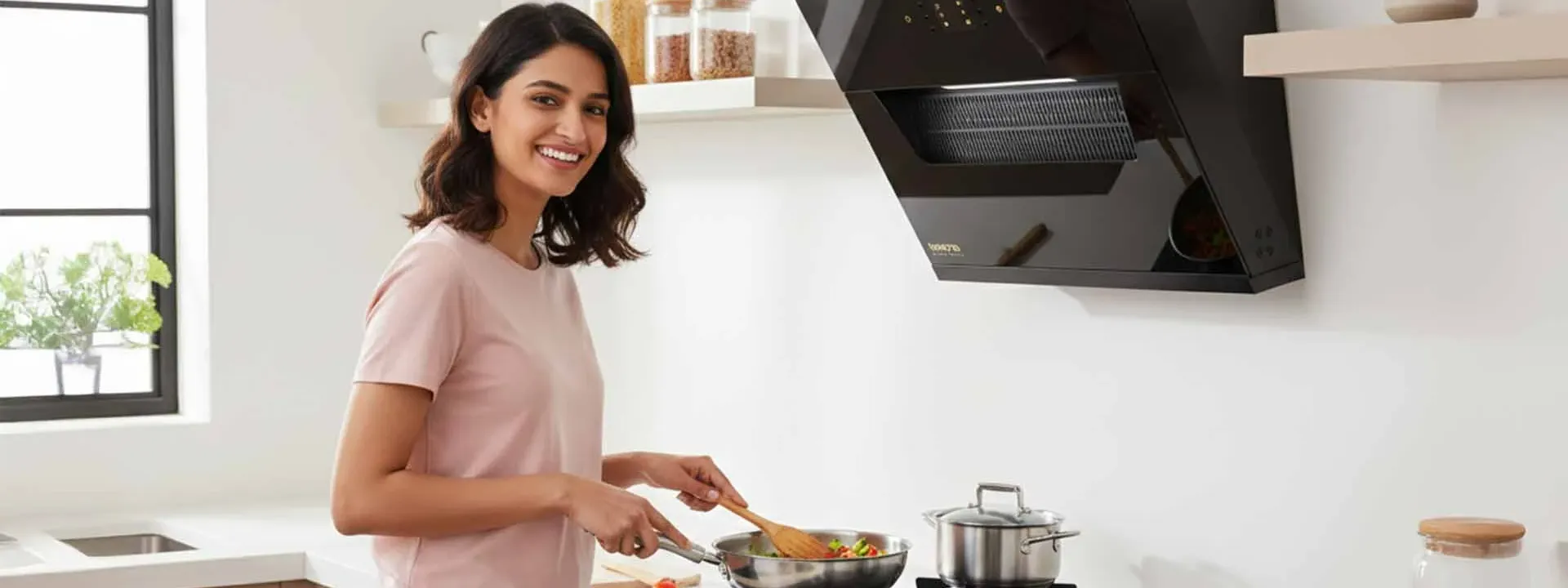
Small kitchens don't have to mean big compromises. With smart planning and the right approach, even the most compact cooking spaces can become highly functional, efficient, and enjoyable to use. Whether you're dealing with a tiny apartment kitchen or maximizing space in a new home, making compact kitchen functional requires understanding key principles, strategic design choices, and clever storage solutions. The right combination of layout optimization, modern appliances, and organization systems can transform cramped quarters into a culinary powerhouse that meets all your cooking needs while maintaining style and comfort.
Creating a functional compact kitchen starts with understanding fundamental design principles that maximize every square inch. The key lies in balancing storage, workspace, and movement flow while ensuring the kitchen remains practical for daily use. The most successful small kitchen designs follow the **60-30-10 rule**: allocate 60% of your focus to storage optimization, 30% to maximizing work surfaces, and 10% to decorative elements. This approach ensures functionality takes priority while maintaining visual appeal.
The classic work triangle between sink, stove, and refrigerator becomes even more critical in compact kitchens. Keep the total distance between these three points under 26 feet, with each leg measuring between 4-9 feet. This ensures efficient movement without wasted steps.
Think upward when floor space is limited. Ceiling-height cabinets can provide 25-30% more storage than standard options. Wall-mounted shelves, magnetic strips, and hanging racks utilize often-overlooked vertical real estate effectively.
Successful small kitchen design requires creative thinking and strategic planning. The goal is creating maximum functionality without overwhelming the limited space available. Multi-functional elements serve double duty in compact kitchens. Kitchen islands with built-in storage, fold-down countertops, and hidden appliance garages maximize utility while maintaining clean lines. Every element should serve multiple purposes whenever possible.
L-shaped layouts work exceptionally well in compact spaces by utilizing two walls efficiently. This configuration creates natural work zones while providing ample counter space and storage opportunities. Corner solutions like lazy Susans maximize otherwise difficult-to-reach areas.
Galley kitchens, with parallel counters, excel in narrow spaces. Keep the corridor width between 42-48 inches for comfortable movement. Place the sink and stove on opposite sides to create an efficient workflow while maintaining safety clearances.
Today's compact kitchens benefit from innovative appliances and smart technology designed specifically for small spaces. Modern solutions focus on efficiency, versatility, and space-saving features. Compact appliances like the **Hoptop Altair** demonstrate how modern design meets functionality. Features like the **Smart Timer** that automatically turns off gas when cooking time is complete, and the **Jumbo Burner** for large cookware, prove that compact doesn't mean compromising on capability. The **Vessel Collision-Free Design** allows simultaneous use of all four burners without cookware interference—a crucial feature in space-constrained kitchens.
Choose appliances that perform multiple functions. Combination microwave-convection ovens, induction cooktops with built-in ventilation, and refrigerator drawers maximize functionality while minimizing footprint. The **Convertible** design of modern hobs allows flexibility as built-in or freestanding options.
Modern storage solutions include pull-out pantries, corner drawer systems, and appliance garages that hide small appliances when not in use. These systems maintain clean sightlines while providing easy access to essentials.
Effective storage transforms compact kitchens from cramped to comfortable. The key lies in utilizing every available inch through clever organization and strategic placement. Cabinet optimization starts with adjustable shelving and pull-out drawers that provide full access to contents. Deep cabinets benefit from tiered organizers, while narrow spaces work well with vertical dividers for baking sheets and cutting boards.
Unconventional storage areas offer surprising capacity. The space above the refrigerator, inside cabinet doors, and under the sink can accommodate significant storage with proper organization systems. Magnetic strips hold knives and spice containers on walls or appliance sides.
Divided drawers prevent clutter while maximizing capacity. Use drawer organizers for utensils, spices, and small items. Deep drawers work better than shelves for heavy items like pots and pans, providing easier access and better organization.
A functional kitchen can work in as little as 70 square feet with proper planning. The key is efficient layout design and smart appliance selection that maximizes every inch available.
Basic functionality improvements range from INR 50,000 to INR 2,00,000, depending on appliance choices and storage solutions. High-end renovations can cost INR 3,00,000 to INR 6,00,000 with premium appliances and custom storage.
Compact, multi-functional appliances work best. Look for combination units, under-counter options, and appliances with **Auto Ignition** and **Flame Failure Device** safety features. The **100% Spill Proof** design prevents maintenance issues in tight spaces.
Focus on vertical storage, use every wall surface, choose appliances with built-in storage, and select furniture that serves multiple purposes. Ceiling-height cabinets and wall-mounted solutions are essential.
Galley layouts excel in narrow spaces, utilizing parallel walls efficiently. Single-wall layouts work for extremely narrow areas, while L-shaped configurations suit slightly wider spaces with corner access.
Use light colors, maximize natural light, choose reflective surfaces, minimize visual clutter, and maintain consistent sightlines. Glass cabinet doors and open shelving create visual depth.
Common mistakes include inadequate lighting, insufficient counter space, poor traffic flow, oversized appliances, and neglecting vertical storage opportunities. Avoid cluttered countertops and choose appropriately scaled elements.
Making compact kitchen functional requires strategic planning, smart appliance choices, and creative storage solutions. Focus on the work triangle, maximize vertical space, and choose multi-functional elements that serve multiple purposes. Modern appliances with features like **Smart Timer**, **Jumbo Burner**, and **Cast Iron Supports** provide full functionality without compromising space. Remember that successful compact kitchens prioritize efficiency over size, proving that thoughtful design creates highly functional cooking spaces regardless of square footage limitations.
