
Latest Hob Design Trends: Your Complete Guide
Cart
Your cart is empty
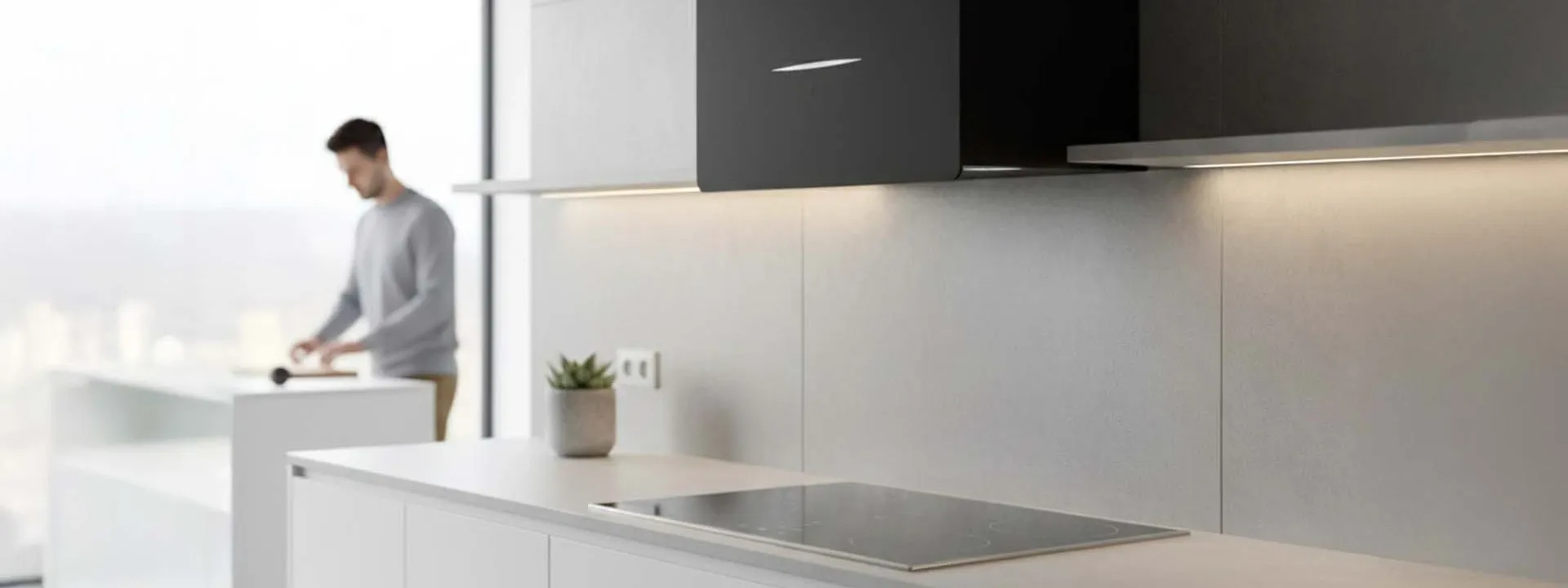
Modern kitchens are experiencing a design revolution, and hobs are at the center of this transformation. Today's homeowners want cooking appliances that blend seamlessly with their lifestyle while delivering exceptional performance. The latest hob design trends focus on minimalist aesthetics, smart technology integration, and space-efficient solutions that cater to contemporary living. Whether you're renovating your kitchen or building a new home, understanding these trends will help you make informed decisions that enhance both functionality and style.
The hob design landscape has evolved dramatically over the past few years. Modern hob designs prioritize clean lines, advanced technology, and user-friendly features that make cooking more enjoyable and efficient. The shift towards minimalist aesthetics means fewer visible controls and more streamlined surfaces that integrate beautifully with contemporary kitchen designs. Smart technology integration represents another major trend in hob design. Today's modern hobs feature automatic timers, precise temperature control, and safety sensors that enhance the cooking experience. Energy efficiency has become a priority, with manufacturers developing hobs that consume less power while delivering superior performance. Customization options allow homeowners to choose from various sizes, configurations, and finishes to match their specific needs and design preferences.
The minimalist approach emphasizes functionality without compromising on style. Flush-mount installations create seamless surfaces that are easy to clean and maintain. Hidden controls and touch interfaces eliminate visual clutter while providing intuitive operation.
Modern hobs incorporate smart sensors, automatic shut-off systems, and precise heat control mechanisms. These features not only improve cooking results but also enhance safety in the kitchen environment.
Minimalist hob designs have become the gold standard for contemporary kitchens. These stylish hobs feature clean surfaces, hidden controls, and seamless integration with countertops. The emphasis on simplicity doesn't mean sacrificing functionality – instead, it represents a refined approach to kitchen design. Frameless glass surfaces dominate the minimalist trend, offering easy cleaning and a sophisticated appearance. Touch controls replace traditional knobs, creating a sleek profile that complements modern kitchen aesthetics. Color coordination plays a crucial role, with black and white finishes leading the popularity charts.
Flush-mount hobs create a continuous surface that's both visually appealing and practical. This installation method prevents food particles from accumulating around edges and makes cleaning effortless.
Touch-sensitive controls that appear only when needed maintain the clean aesthetic while providing full functionality. These systems often include child safety locks and automatic shut-off features.
Small kitchen hob designs have become increasingly sophisticated, offering full functionality in space-efficient packages. Compact hob solutions cater to urban living where kitchen space is at a premium. These designs prove that size doesn't compromise performance or style. Two-burner configurations provide adequate cooking capacity for small households while leaving more counter space for food preparation. Domino hob systems allow for modular installations where different cooking zones can be combined according to specific needs. Portable options offer flexibility for temporary setups or outdoor cooking.
Compact two-burner hobs deliver excellent performance while occupying minimal counter space. These units often feature one high-power burner for quick cooking and one standard burner for simmering.
Domino hobs can be mixed and matched to create custom cooking configurations. This flexibility allows homeowners to combine gas, electric, and induction zones according to their cooking preferences.
Choosing between induction hob, gas hob, and electric hob options depends on cooking preferences, energy efficiency goals, and kitchen infrastructure. Each type offers distinct advantages that appeal to different cooking styles and household needs. Induction hobs provide precise temperature control and energy efficiency. They heat cookware directly through magnetic fields, resulting in faster cooking times and better temperature accuracy. Gas hobs offer instant heat adjustment and work with all cookware types. Electric hobs provide consistent heating and are often the most affordable option.
Induction technology offers superior energy efficiency, with up to 90% of energy transferred directly to cookware. The cooktop surface remains relatively cool, reducing burn risks and making cleaning easier.
Gas hobs provide immediate heat control and work during power outages. Professional chefs often prefer gas for its responsive flame control and compatibility with all cookware materials. Features like the Flame Failure Device ensure safety by cutting off gas supply if flames go out unexpectedly.
Electric hobs offer consistent heating and are typically easier to install in homes without gas connections. Modern electric designs include ceramic surfaces that heat evenly and cool gradually.
Smart technology has revolutionized modern hob functionality, bringing convenience and safety to new levels. Today's intelligent hobs feature automatic pan detection, timer functions, and connectivity options that transform the cooking experience. App-controlled settings allow users to monitor cooking progress remotely and receive notifications when dishes are ready. Voice control integration enables hands-free operation, particularly useful when handling multiple cooking tasks. Safety features include automatic shut-off systems and child locks that provide peace of mind.
Smart timers automatically turn off burners when cooking time expires, preventing overcooking and enhancing safety. Some models feature multiple independent timers for different cooking zones.
Wi-Fi enabled hobs can connect to smart home systems, allowing integration with other kitchen appliances and home automation platforms.
Material selection significantly impacts both the appearance and performance of modern hobs. Premium materials like 8mm Toughened Glass provide durability while maintaining an elegant appearance. These surfaces handle high heat effortlessly and offer scratch-resistant properties for long-lasting use. Stainless steel remains popular for its professional appearance and easy maintenance. Ceramic surfaces provide smooth operation and come in various colors to match kitchen themes. Cast iron supports ensure cookware stability and prevent wobbling during cooking.
Toughened glass surfaces resist thermal shock and provide easy cleaning. The smooth surface prevents food particles from sticking and allows for effortless maintenance.
Matte finishes hide fingerprints better than glossy surfaces, while metallic accents add sophistication to kitchen designs. Color trends favor neutral tones that complement various kitchen styles.
Proper installation ensures optimal performance and safety for your kitchen hob. Ventilation requirements vary depending on hob type, with gas models needing adequate airflow for safe operation. Counter space planning should account for heat clearances and accessibility. Electrical connections for induction and electric hobs require appropriate voltage and amperage ratings. Gas connections must comply with safety regulations and include proper shut-off valves. Professional installation ensures compliance with local codes and manufacturer warranties.
Gas hobs require adequate ventilation to remove combustion byproducts. Electric and induction models need less ventilation but benefit from proper airflow for heat dissipation.
Maintaining proper clearances around hobs prevents heat damage to surrounding surfaces and ensures safe operation. Most manufacturers specify minimum distances from walls and cabinets.
Minimalist designs with flush-mount installation and touch controls dominate current trends. Black glass surfaces with hidden controls are particularly popular among homeowners seeking contemporary aesthetics.
Consider your cooking style, energy costs, and existing kitchen infrastructure. Induction offers precision and efficiency, while gas provides instant heat control and works with all cookware types.
Two-burner compact hobs work well for small kitchens, providing adequate cooking capacity while preserving counter space. Domino configurations offer flexibility for custom installations.
Smart features like automatic timers and safety sensors provide convenience and peace of mind. The investment pays off through improved cooking results and enhanced safety.
Costs vary widely based on type, size, and features. Basic electric models start around INR 15,000, while premium induction units can cost INR 50,000 or more.
Gas hobs need regular burner cleaning and occasional professional servicing. Electric and induction models require surface cleaning and periodic inspection of electrical connections.
Electric hobs may allow DIY installation, but gas models require professional installation for safety and warranty compliance. Always check local regulations before attempting self-installation.
Induction hobs provide the highest energy efficiency, transferring up to 90% of energy directly to cookware. Gas hobs offer good efficiency for high-heat cooking, while electric models provide consistent performance.
The latest hob design trends reflect our evolving relationship with cooking and kitchen spaces. Modern hobs combine aesthetic appeal with advanced functionality, creating appliances that enhance both cooking performance and kitchen design. Whether you prefer the precision of induction, the responsiveness of gas, or the consistency of electric cooking, today's hob designs offer solutions for every cooking style and kitchen size. Smart features, premium materials, and space-efficient designs ensure that your hob choice will serve you well for years to come while adding value to your home.
