

Kitchen Chimneys 101: Your Complete Guide to Types
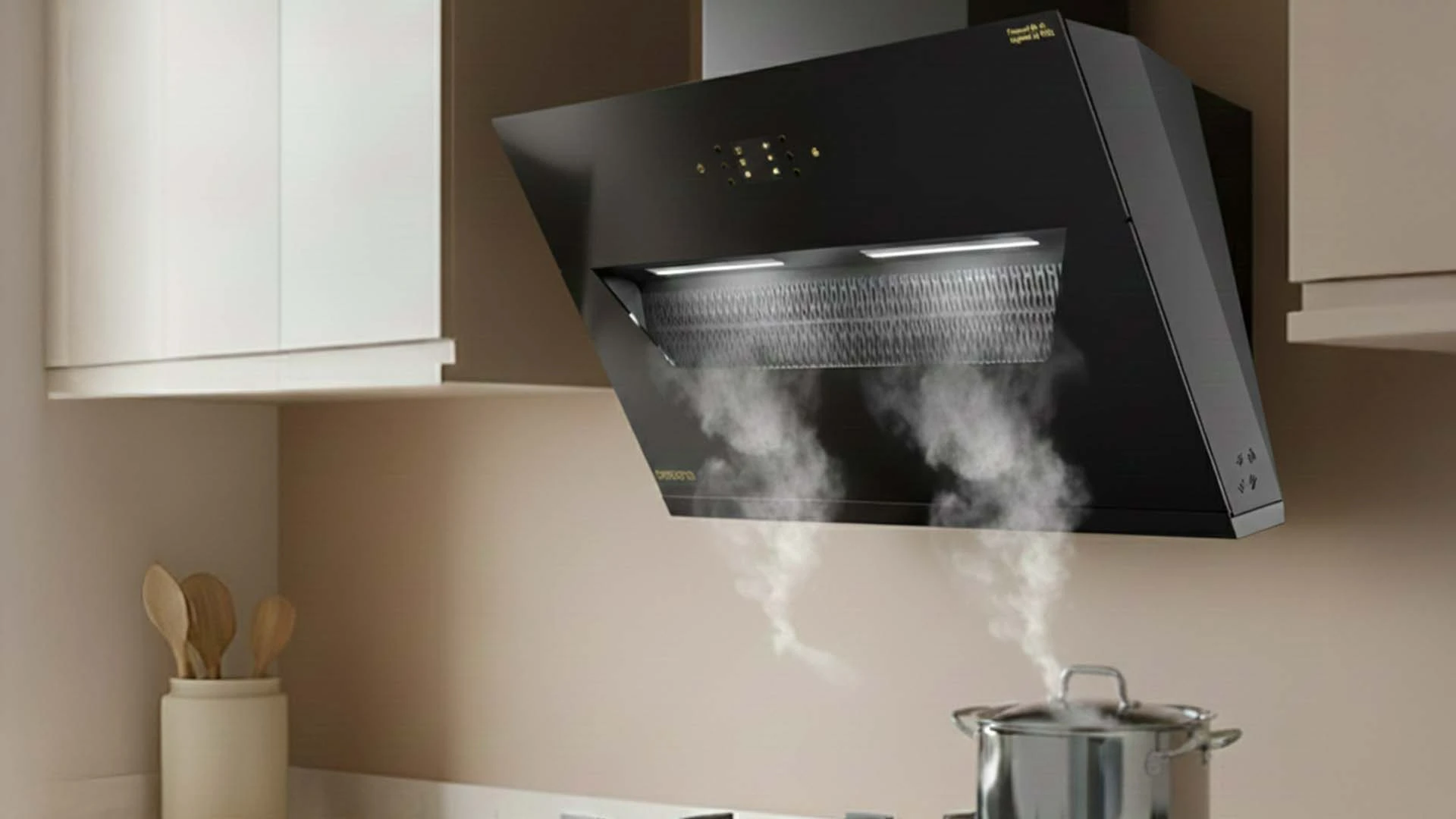
Choosing the right kitchen chimney can transform your cooking experience and keep your kitchen fresh and clean. With so many kitchen chimney types available today, finding the perfect match for your home requires understanding the different designs, technologies, and installation options. Whether you have a compact kitchen or a spacious cooking area, the best types kitchen chimneys offer solutions for every layout and cooking style. This comprehensive guide will help you navigate through wall-mounted, island, ductless, and other chimney options to make an informed decision for your kitchen.
Wall-mounted chimneys remain the most popular choice for Indian kitchens due to their versatility and reliable performance. These kitchen ventilation options attach directly to the wall above your cooking range, making them suitable for most kitchen layouts.
Wall-mounted designs require minimal ceiling clearance and work well in kitchens with standard height cabinets. The installation process involves securing the chimney to wall studs and connecting the ductwork for external venting. Most models need at least 24 inches of clearance above the cooktop for optimal performance.
These chimneys excel in Indian cooking conditions where heavy spices and oil create substantial smoke and odors. The direct positioning above the cooking surface ensures maximum capture efficiency. Wall mounted chimney systems typically offer suction capacities ranging from 600 to 1200 cubic meters per hour, making them ideal for regular cooking needs.
For modern open-plan kitchens with cooking islands, specialized island kitchen chimney systems provide both functionality and aesthetic appeal. These ceiling-mounted units create a striking focal point while maintaining excellent ventilation performance.
Island chimneys require robust ceiling support and careful planning for ductwork routing. The installation involves mounting brackets to ceiling joists and ensuring proper electrical connections. These units often feature sleek glass and stainless steel designs that complement contemporary kitchen aesthetics.
Island chimneys typically offer 360-degree smoke capture, making them highly effective for large cooking surfaces. The elevated position allows for better air circulation throughout the kitchen space. Most models include adjustable height features to accommodate different ceiling heights and cooking requirements.
Ductless kitchen chimney systems offer installation flexibility for kitchens where external venting is not possible. These units use recirculation technology to filter and clean cooking air before returning it to the kitchen.
Ductless models employ multiple filtration stages, including grease filters, carbon filters, and sometimes HEPA filters. The air passes through these filters to remove odors, grease particles, and smoke before recirculation. Filter replacement typically occurs every 3-6 months depending on cooking frequency.
These systems require no external ductwork, making installation simpler and more cost-effective. They work well in apartments or homes where structural modifications are limited. The absence of ductwork also means no heat loss during winter months, improving energy efficiency.
Small kitchens require specialized solutions that maximize functionality without overwhelming the space. Compact chimney design options provide powerful ventilation in space-efficient packages.
Chimney for small kitchen designs often feature slim profiles, telescopic extensions, and integrated storage compartments. These units typically measure 60cm in width compared to standard 90cm models, making them perfect for narrow cooking areas. Some models include fold-away designs that retract when not in use.
Despite their smaller size, compact chimneys maintain impressive suction capabilities. Advanced motor technology and optimized fan blade designs ensure effective smoke removal even in confined spaces. Many models offer variable speed controls to match ventilation needs with cooking intensity.
Modern kitchen chimney designs incorporate smart technology and contemporary aesthetics to enhance both function and style. These advanced systems offer features that simplify maintenance and improve user experience.
Today's chimneys include touch controls, remote operation, and smartphone connectivity. Some models feature automatic sensors that adjust suction power based on smoke and heat detection. LED lighting systems provide task illumination while cooking, and many units include gesture controls for hands-free operation.
Auto-clean technology uses heat-based cleaning mechanisms to reduce maintenance requirements. Baffle filter designs handle heavy grease loads typical in Indian cooking, while some premium models offer filterless operation with oil collection chambers that require periodic emptying.
Selecting among the best kitchen exhaust options requires evaluating your specific kitchen layout, cooking habits, and installation constraints. Consider factors like kitchen size, cooking frequency, and available ventilation routes.
Measure your kitchen dimensions and identify the cooking zone layout. Wall-mounted chimneys work best for galley and L-shaped kitchens, while island designs suit open-plan layouts. Consider ceiling height, cabinet placement, and available wall space for mounting.
Indian cooking generates more smoke and grease than many other cuisines, requiring higher suction capacities. Look for models with at least 600 cubic meters per hour capacity for regular cooking. Heavy cooking households may need 800-1200 cubic meters per hour for optimal performance.
Proper installation ensures optimal performance and longevity of your chosen chimney system. Types of cooker hoods have different installation requirements that affect both initial costs and long-term maintenance.
Professional installation ensures proper mounting, electrical connections, and ductwork routing. Technicians can assess structural requirements and ensure compliance with local building codes. Many manufacturers require professional installation to maintain warranty coverage.
Regular cleaning maintains performance and extends equipment life. Baffle filters require monthly cleaning with degreasing solutions, while carbon filters in ductless units need periodic replacement. Auto-clean models reduce maintenance frequency but still require occasional manual cleaning.
Auto-clean chimneys with baffle filters work best for Indian cooking. These models handle heavy grease and spice loads effectively. Look for wall-mounted units with at least 600 cubic meters per hour suction capacity. The combination of robust filtration and powerful motors ensures optimal performance for regular Indian cooking.
Ducted chimneys vent air outside through ductwork, providing superior odor and moisture removal. Ductless models recirculate filtered air back into the kitchen. Ducted systems offer better performance for heavy cooking, while ductless units provide installation flexibility where external venting is not possible.
Chimney width should match or exceed your cooktop width. For 4-burner stoves, choose 60cm chimneys. Larger cooking surfaces need 90cm models. Suction capacity should be 10-12 times your kitchen volume for optimal air changes. Small kitchens can use compact designs without sacrificing performance.
BLDC (Brushless DC) motors offer the best performance with lower noise levels and higher energy efficiency. These motors last longer and provide consistent suction power. Traditional induction motors are more affordable but generate more noise and consume more electricity.
While basic wall-mounted chimneys can be DIY projects, professional installation is recommended for safety and warranty purposes. Island chimneys and ducted systems require electrical and structural work best handled by qualified technicians. Professional installation ensures optimal performance and compliance with safety standards.
Quality kitchen chimneys range from INR 8,000 to INR 50,000 depending on features and brand. Basic wall-mounted models start around INR 10,000, while premium auto-clean units cost INR 25,000-40,000. Factor in installation costs of INR 2,000-5,000 and annual maintenance expenses when budgeting.
Choosing the right kitchen chimney involves balancing performance needs with kitchen constraints and budget considerations. Wall-mounted chimneys offer reliable performance for most Indian kitchens, while island designs suit modern open layouts. Ductless systems provide flexibility where external venting is limited, and compact designs maximize functionality in small spaces. Consider your cooking style, kitchen layout, and maintenance preferences when selecting among the various kitchen chimney types available. Professional installation and regular maintenance ensure optimal performance and longevity of your investment.
