

Kitchen Chimney Features: Noise Reduction Guide
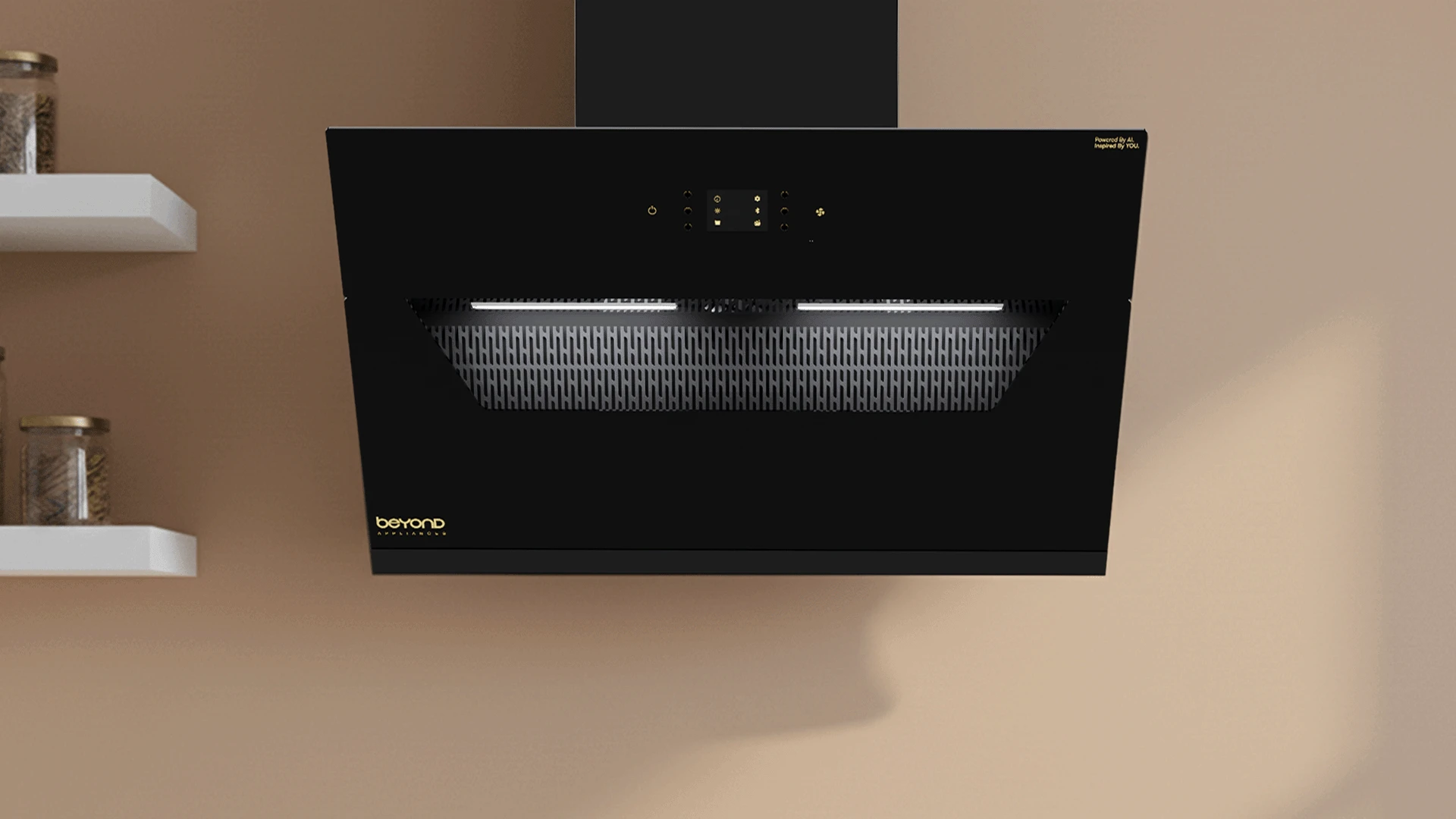
A noisy kitchen chimney can turn your cooking experience into a stressful ordeal. The constant humming, vibrating, and mechanical sounds not only disrupt conversations but also create an unpleasant atmosphere in what should be the heart of your home. Understanding the right chimney features for noisy kitchens is essential for creating a peaceful cooking environment. Modern kitchen chimney design has evolved significantly, offering innovative solutions that prioritize both performance and quiet operation. Whether you're dealing with a compact space or planning a complete kitchen renovation, selecting the right features can transform your kitchen into a serene culinary haven.
Noise levels in kitchen chimneys are measured in decibels (dB), and understanding these measurements helps you make informed decisions about quiet kitchen solutions. Most quality chimneys operate between 45-58 dB, which is considered acceptable for residential use. To put this in perspective, normal conversation occurs at around 60 dB, while a whisper registers at 30 dB. The impact of noise on your cooking experience extends beyond mere annoyance. Excessive noise can cause stress, interfere with family conversations, and even affect your ability to hear important kitchen sounds like timers or boiling water. Modern kitchen noise control technology addresses these concerns through advanced engineering and thoughtful design.
Industry standards classify chimneys operating below 50 dB as exceptionally quiet, while those between 50-55 dB are considered good for most households. Chimneys producing 55-58 dB are acceptable but may be noticeable during quiet moments. Any chimney exceeding 60 dB should be considered too loud for comfortable kitchen use.
Motor vibrations represent the primary source of chimney noise, especially in older models with traditional motors. Airflow turbulence through poorly designed ducts creates additional noise, while loose mounting hardware can amplify vibrations throughout your kitchen structure. Regular maintenance becomes crucial as accumulated grease and debris force motors to work harder, increasing noise levels significantly.
Selecting the right features transforms your kitchen into a peaceful cooking environment. Modern chimney features focus on eliminating noise sources rather than simply masking them. Advanced motor technology, improved housing design, and optimized airflow systems work together to create exceptionally quiet operation. Sound-insulated housing represents one of the most effective noise reduction kitchen solutions available today. These systems incorporate multiple layers of acoustic materials that absorb vibrations before they can transfer to your kitchen structure.
Sealed motor technology prevents vibrations from escaping the motor housing, while specialized mounting systems isolate the entire unit from wall vibrations. Sound-dampening materials like acoustic foam and vibration-absorbing gaskets create barriers between moving parts and the chimney structure.
Filterless technology eliminates the air resistance created by traditional filters, allowing motors to operate more efficiently and quietly. Auto-clean functions reduce the need for manual maintenance while maintaining optimal airflow. Baffle filters, when properly maintained, create less turbulence than mesh filters, contributing to quieter operation.
Aerodynamic design principles minimize air turbulence through smooth internal surfaces and optimized duct connections. Variable speed controls allow you to adjust suction power based on cooking needs, operating at lower, quieter speeds when full power isn't necessary.
Space constraints in modern homes require innovative approaches to compact kitchen ventilation. Today's small kitchen chimney designs prove that size doesn't compromise performance or quiet operation. Advanced engineering allows manufacturers to pack powerful, quiet motors into surprisingly compact units. Modern kitchen exhaust systems prioritize efficiency over size, using advanced materials and precision engineering to deliver exceptional performance. These systems often incorporate multiple noise-reduction technologies in a single, space-efficient package.
Wall-mounted chimneys typically produce less noise than island models due to better structural support and shorter duct runs. Compact designs often feature more efficient motors that require less power to achieve the same suction, naturally reducing noise levels.
Ductless chimney benefits include elimination of ductwork noise and reduced installation complexity. Recirculation systems operate more quietly than extraction systems because they don't fight against external air pressure. Carbon filter systems provide effective odor control without the noise associated with high-velocity extraction.
Modern ventilation systems incorporate intelligent features that optimize performance while minimizing noise. Smart sensors automatically adjust operation based on cooking activity, ensuring you get the right amount of ventilation without unnecessary noise. These systems learn your cooking patterns and adjust accordingly. Touch controls and motion sensors reduce mechanical wear on switches and buttons, contributing to longer-lasting, quieter operation. Variable speed automation ensures the chimney operates at the minimum effective level, reducing noise during light cooking activities.
Hands-free operation eliminates the clicking and mechanical sounds of traditional switches. Motion sensors activate the chimney when you approach the cooking area and adjust speed based on detected heat and steam levels.
BLDC (Brushless Direct Current) motors operate significantly quieter than traditional motors while consuming less energy. These motors produce less heat, reducing the need for cooling fans that add to overall noise levels. Heat auto-clean functions operate during off-peak hours, minimizing noise during cooking times.
Proper installation plays a crucial role in achieving quiet operation from any chimney system. Professional installers understand the importance of vibration isolation, proper ductwork sizing, and acoustic considerations. DIY installations often overlook these critical factors, resulting in unnecessarily noisy operation. Regular maintenance ensures your chimney continues operating quietly throughout its lifespan. Accumulated grease and debris force motors to work harder, increasing noise levels and reducing efficiency.
Ductwork insulation prevents noise transmission through walls and ceilings. Proper mounting techniques include vibration-dampening materials between the chimney and wall structure. Professional installers ensure optimal duct sizing and routing to minimize air turbulence.
Regular cleaning schedules prevent grease buildup that forces motors to work harder. Lubrication of moving parts reduces friction and mechanical noise. Component tightening prevents loose parts from creating vibrations and rattling sounds.
Chimneys with BLDC motors, sound-insulated housing, and filterless technology typically produce the least noise. Look for models with noise ratings below 50 dB and features like auto-clean functions that maintain optimal performance.
Regular cleaning, proper installation with vibration dampening, and using variable speed controls help reduce noise. Consider upgrading to models with advanced motor technology and sound insulation if your current chimney is excessively loud.
The ideal noise level is below 50 dB for most households. Chimneys operating between 45-48 dB are considered exceptionally quiet, while those up to 55 dB remain acceptable for most users.
Yes, ductless chimneys typically operate more quietly because they don't require high-velocity extraction through ductwork. They recirculate air through filters, eliminating ductwork noise and reducing overall sound levels.
Clean filters monthly and perform deep cleaning every 3-6 months depending on usage. Regular maintenance prevents grease buildup that forces motors to work harder and create more noise.
Selecting the right chimney features for noisy kitchens transforms your cooking experience from stressful to enjoyable. Modern technology offers numerous solutions, from advanced motor designs to smart automation features that optimize performance while minimizing noise. Whether you choose a compact wall-mounted unit or a sophisticated ductless system, prioritizing noise reduction features ensures years of peaceful cooking. Remember that proper installation and regular maintenance are equally important for maintaining quiet operation throughout your chimney's lifespan.
