

Kitchen Chimney Design: Ultimate FAQ Guide
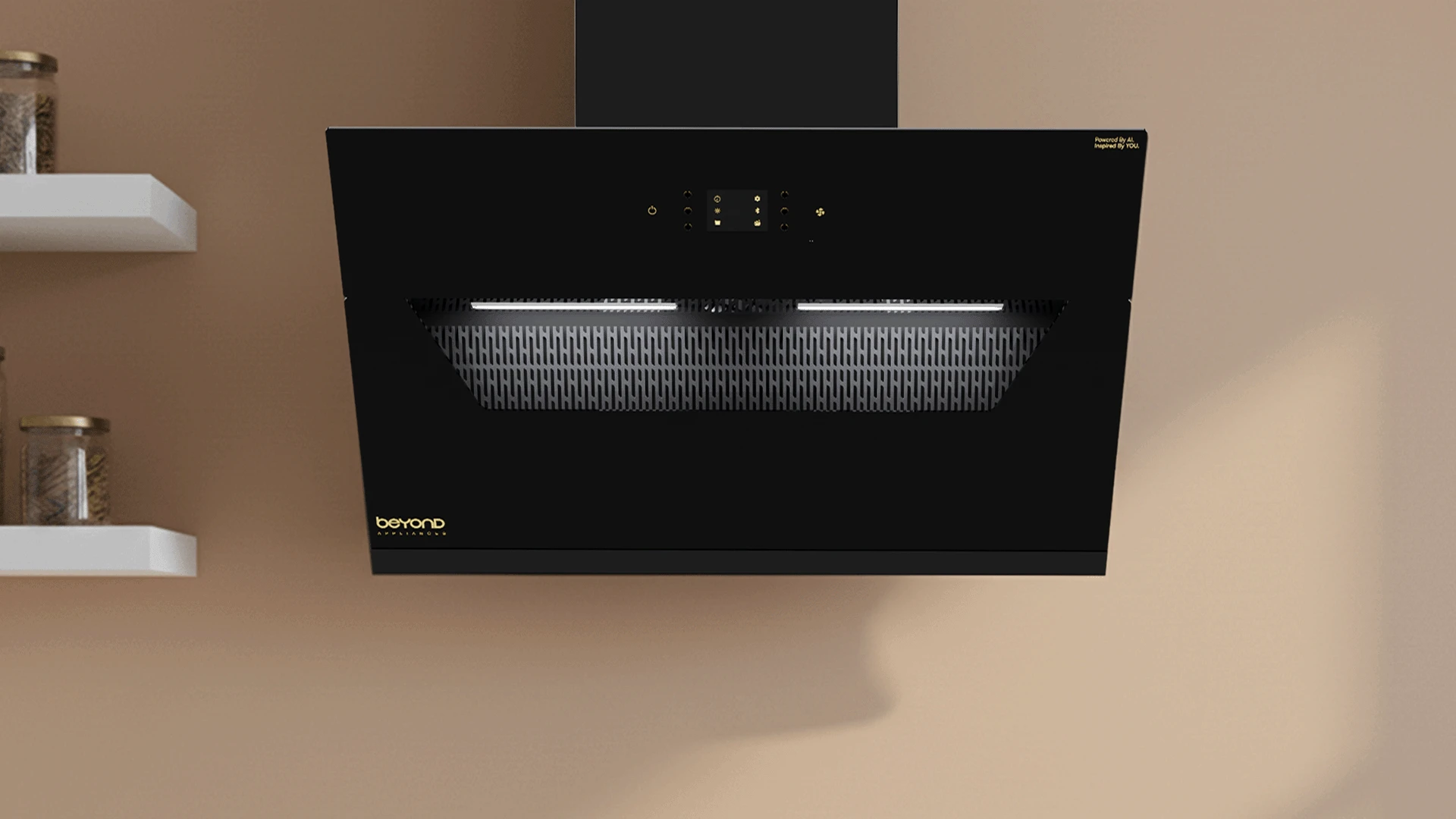
Choosing the right kitchen chimney design can transform your cooking experience and kitchen aesthetics. With numerous options available in 2025, homeowners often feel overwhelmed when selecting the best chimney design for kitchen spaces. Modern kitchens demand both functionality and style, making it essential to understand different chimney types, sizes, and features. Whether you're renovating a compact kitchen or designing a spacious culinary space, the right chimney ensures proper ventilation while complementing your kitchen's overall design theme.
A kitchen chimney works by creating suction that draws smoke, grease, and odors away from your cooking area. The motor-driven fan pulls contaminated air through filters before either recirculating clean air back into the kitchen or venting it outside through ducts.
Wall-mounted chimneys attach directly to the wall above your cooktop. These compact kitchen chimney options work perfectly for small kitchens and offer excellent suction power. Island chimneys hang from the ceiling above kitchen islands, providing 360-degree ventilation. Built-in chimneys integrate seamlessly into kitchen cabinets for a streamlined look. Ductless chimneys filter and recirculate air without external venting, making them ideal for apartments.
Ducted systems vent contaminated air outside through pipes, offering superior performance for heavy cooking. Ductless systems filter air through carbon filters before recirculating it, requiring less installation work but needing regular filter replacement.
Modern chimney designs prioritize both aesthetics and functionality. Contemporary kitchens benefit from sleek stainless steel or tempered glass finishes that complement modern appliances and clean lines.
Small kitchens require careful planning to maximize space efficiency. Wall-mounted chimneys with 60cm width provide adequate coverage without overwhelming the space. T-shaped chimneys offer excellent suction while maintaining a compact footprint. These designs often feature auto-clean technology to minimize maintenance in tight spaces.
Space-saving designs include curved chimneys that follow kitchen wall contours and slant or inclined chimneys that provide clearance while maintaining efficiency. These stylish chimney designs ensure proper ventilation without compromising kitchen workflow or storage space.
Open-plan kitchens benefit from island chimneys or ceiling-mounted units that provide comprehensive coverage. These installations require careful planning for ductwork and electrical connections but offer superior performance for large cooking areas.
Choosing between 60cm and 90cm chimneys depends on your cooktop size and kitchen dimensions. The chimney should extend at least 6 inches beyond each side of your cooking surface for effective smoke capture.
A 60cm chimney suits 2-4 burner cooktops and kitchens up to 150 square feet. A 90cm chimney handles 4-6 burner cooktops and larger kitchen spaces effectively. Consider your cooking frequency and typical meal preparation volume when selecting size.
Maintain 24-30 inches clearance between the cooktop and chimney bottom for gas stoves, and 20-24 inches for electric cooktops. Ensure adequate space for ductwork routing and electrical connections during planning.
Modern kitchen chimneys incorporate smart technologies that enhance user experience and maintenance convenience. Auto-clean functions use heat to break down grease deposits, reducing manual cleaning requirements.
Touch controls and gesture-based operations provide convenient speed adjustments and timer settings. Some models offer smartphone connectivity for remote operation and maintenance reminders. LED lighting systems provide task lighting while cooking and create ambient lighting for dining.
Baffle filters use curved metal plates to separate grease from air, offering easy cleaning and durability. Cassette filters provide multi-layer filtration but require regular replacement. Filterless technology eliminates filter maintenance while maintaining effective grease separation.
Proper chimney installation guide adherence ensures optimal performance and safety. Professional installation guarantees correct ductwork sizing, electrical connections, and structural support for ceiling-mounted units.
Duct diameter should match chimney outlet size, typically 6-8 inches. Minimize bends and maintain smooth transitions to preserve suction efficiency. External venting requires weatherproof duct termination and backdraft dampers.
Ensure adequate electrical supply for motor requirements, typically 15-20 amps. Install proper grounding and consider surge protection for electronic controls. Maintain clearances from combustible materials and follow local building codes.
Baffle filter chimneys with high suction capacity work best for Indian cooking styles. Look for models with 1000+ CFM capacity and auto-clean features to handle heavy oil and spice usage. Android chimneys with smart controls offer convenient operation during intense cooking sessions.
Calculate 10-12 times your kitchen volume in cubic feet per minute. For a 10x12x8 foot kitchen, you need approximately 1000-1200 CFM. Heavy cooking requires higher capacity, while light cooking can use lower CFM ratings.
Ductless chimneys work without external venting, using carbon filters to clean air before recirculation. These suit apartments and rental properties where ductwork installation isn't possible. Replace filters every 3-6 months for optimal performance.
Maintain 24-30 inches for gas cooktops and 20-24 inches for electric units. Island installations may require additional clearance for safe operation and cleaning access. Check manufacturer specifications for exact requirements.
Clean baffle filters monthly with warm soapy water. Replace cassette filters every 3-6 months depending on usage. Auto-clean models require periodic heat cleaning cycles. Professional service annually ensures motor and electrical component longevity.
Stainless steel offers durability and easy cleaning, while tempered glass provides modern aesthetics. Black finishes hide fingerprints better, while silver complements most kitchen designs. Choose based on your kitchen's color scheme and maintenance preferences.
Selecting the best chimney design for kitchen spaces requires balancing functionality, aesthetics, and budget considerations. Modern chimney designs offer advanced features like auto-clean technology and smart controls that enhance user experience. Proper sizing ensures effective ventilation, while quality installation guarantees long-term performance. Consider your cooking habits, kitchen layout, and maintenance preferences when choosing between different chimney types. With free delivery and installation services, plus extended warranty options, investing in a quality kitchen chimney improves both cooking comfort and home value.
