

Kitchen Chimney Design: Complete FAQ Guide
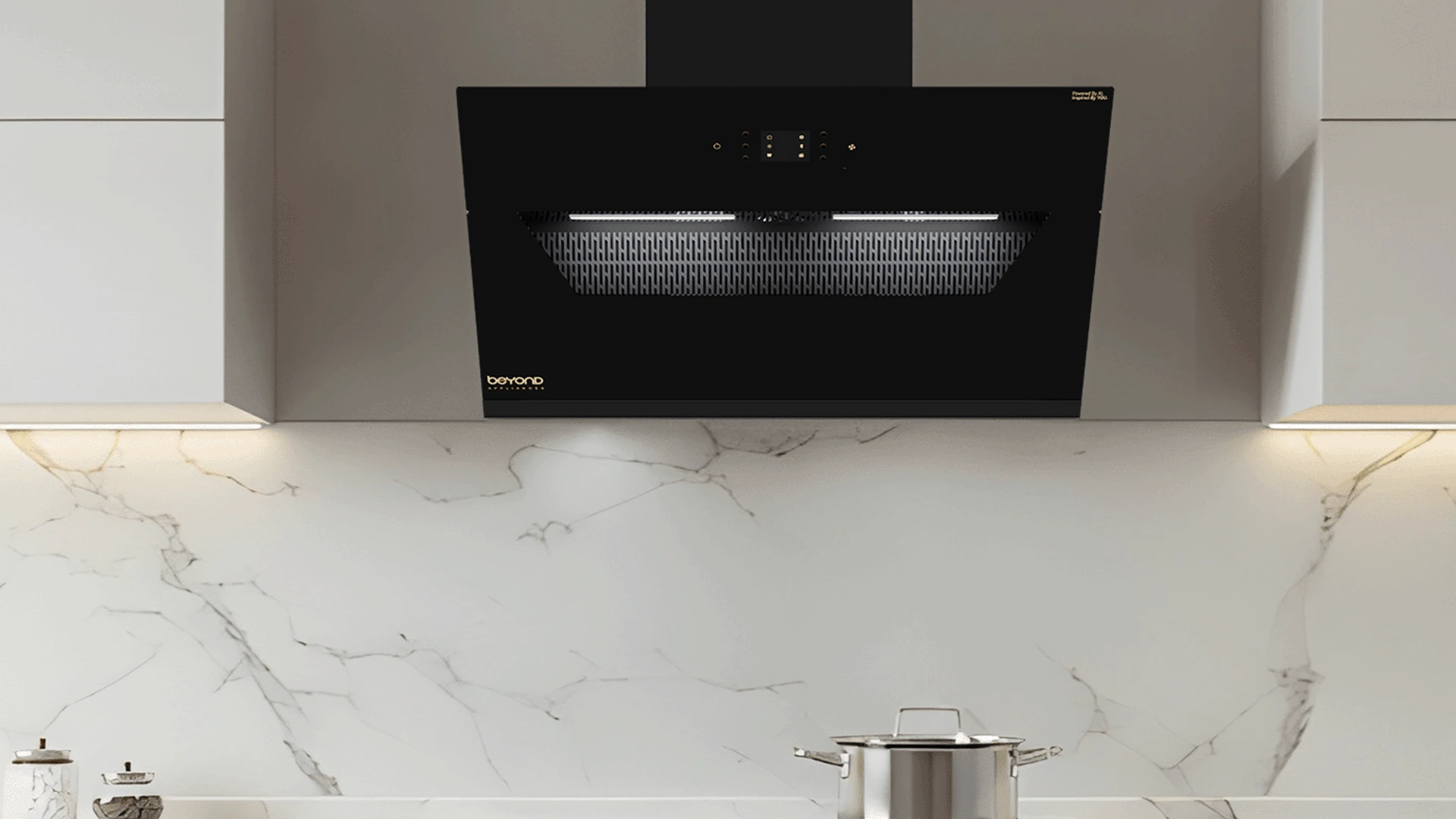
Choosing the right chimney design for modular kitchen can transform your cooking experience and enhance your home's aesthetic appeal. Modern kitchens demand efficient ventilation solutions that blend seamlessly with contemporary design elements while delivering superior performance. With the growing popularity of open-plan layouts and compact living spaces, homeowners need chimney systems that are both functional and visually appealing. The right chimney design not only eliminates smoke and odors but also becomes an integral part of your kitchen's overall design scheme, adding value to your home investment.
Modern kitchen chimney design goes far beyond basic ventilation needs. Today's homeowners require sophisticated systems that complement their modular kitchen aesthetics while providing powerful suction capabilities. The integration of smart technology, energy-efficient motors, and sleek designs has revolutionized how we approach kitchen ventilation.
A well-designed modular kitchen chimney serves multiple purposes in contemporary homes. It maintains air quality by removing cooking fumes, prevents grease buildup on kitchen surfaces, and reduces humidity levels that can damage cabinets and appliances. The visual impact of a thoughtfully chosen chimney can enhance the entire kitchen's appeal, making it a focal point rather than just a functional necessity.
Indian cooking involves high-heat preparations, extensive use of spices, and oil-based cooking methods that generate significant smoke and odors. Your chimney design must account for these specific requirements with higher CFM ratings and robust filtration systems.
Proper chimney placement ensures optimal cooking comfort without interfering with your kitchen workflow. The design should complement your cooking patterns and provide easy access for maintenance while maintaining the kitchen's visual harmony.
Understanding different chimney types helps you select the perfect solution for your specific kitchen layout and cooking needs. Each design offers unique advantages depending on your space constraints, aesthetic preferences, and functional requirements.
The choice between various chimney designs significantly impacts both performance and visual appeal. Consider factors like kitchen size, ceiling height, cooking frequency, and integration with existing modular elements when making your selection.
Wall-mounted designs offer excellent suction power and work well with traditional kitchen layouts. These modern chimney design options provide easy installation and maintenance access while delivering reliable performance for most cooking needs.
Island chimney design creates stunning focal points in open-plan spaces. These suspended units require careful planning for ductwork and electrical connections but offer unmatched style and functionality for contemporary homes.
Built-in designs disappear into your modular kitchen cabinetry, creating clean lines and uninterrupted visual flow. These compact kitchen chimney solutions work perfectly in minimalist kitchen designs where every element serves a purpose.
Corner installations maximize space efficiency in L-shaped layouts. These designs often feature angled hoods that capture cooking fumes effectively while fitting perfectly into corner configurations.
Ductless chimney options have gained popularity due to their installation flexibility and advanced filtration technology. These systems recirculate air through multiple filter stages, making them ideal for apartments and homes where external ducting is challenging or impossible.
The choice between ductless and ducted systems depends on your home's structure, local building codes, and personal preferences. Both options offer distinct advantages that suit different kitchen environments and cooking styles.
Modern ductless systems use multi-stage filtration including baffle filters, charcoal filters, and HEPA filters to ensure clean air recirculation. These kitchen ventilation ideas provide effective odor and grease removal without external venting requirements.
Ductless systems offer greater installation flexibility, requiring only electrical connections. This makes them perfect for chimney for small kitchen spaces where ductwork installation would be complex or costly.
Proper placement ensures optimal performance and safety in your modular kitchen. The standard distance between your cooktop and chimney should be 24-30 inches for gas cooktops and 18-24 inches for electric cooktops. This spacing provides effective suction while maintaining safe clearances.
Sizing calculations depend on your kitchen's cubic footage and cooking intensity. A general rule suggests 10 CFM per square foot of kitchen space, but Indian cooking styles may require higher capacity systems for effective ventilation.
Small kitchens (up to 100 sq ft) typically need 400-600 CFM, medium kitchens (100-200 sq ft) require 600-900 CFM, and large kitchens (200+ sq ft) need 900+ CFM for optimal performance.
Chimney width should match or exceed your cooktop width for maximum efficiency. Height placement affects both performance and aesthetics, requiring careful balance between function and visual appeal.
Contemporary stylish kitchen chimney designs emphasize clean lines, premium materials, and smart integration with modular kitchen elements. Stainless steel remains popular for its durability and easy maintenance, while black and glass finishes offer sophisticated alternatives.
LED lighting integration has become standard in modern designs, providing both task lighting and ambient illumination. Smart features like touch controls, remote operation, and smartphone connectivity enhance user convenience while maintaining sleek aesthetics.
Stainless steel offers timeless appeal and easy maintenance. Glass panels create modern, sophisticated looks while black finishes provide bold contrast in contemporary kitchens. Choose materials that complement your modular kitchen's color scheme and hardware finishes.
Integrated LED lighting serves dual purposes, illuminating your cooking surface while adding ambient lighting to your kitchen. Smart features include auto-sensors, timer functions, and remote controls for enhanced convenience.
Energy efficient chimney systems incorporate variable speed motors, smart sensors, and optimized airflow designs to minimize power consumption while maximizing performance. These features reduce operating costs and environmental impact without compromising ventilation effectiveness.
Smart technology integration allows chimneys to automatically adjust suction levels based on cooking intensity, reducing energy waste during light cooking activities. Timer functions and maintenance alerts further optimize efficiency and performance.
Advanced sensors detect heat and smoke levels, automatically adjusting fan speeds for optimal performance. This technology ensures efficient operation while reducing energy consumption and noise levels.
Energy-efficient models may cost more initially but provide significant savings through reduced electricity bills and longer component life. Consider total cost of ownership when evaluating different chimney options.
The ideal design depends on your kitchen layout, cooking habits, and aesthetic preferences. Wall-mounted chimneys work well for standard layouts, while island designs suit open-plan kitchens. Built-in options provide seamless integration with modular cabinetry. Consider factors like kitchen size, ceiling height, and ventilation requirements when choosing your design.
Ductless systems offer installation flexibility and work well in apartments or homes where external ducting is challenging. They use advanced filtration to recirculate clean air. Ducted systems provide superior ventilation by exhausting air outside but require external venting capabilities. Choose based on your home's structure and local building codes.
For small kitchens under 100 square feet, choose chimneys with 400-600 CFM capacity. Compact kitchen chimney designs can fit spaces with limited clearance while providing adequate ventilation. Measure your cooktop width and ensure the chimney width matches or exceeds it for optimal performance.
Install your chimney 24-30 inches above gas cooktops and 18-24 inches above electric cooktops. Center it over your cooking surface and ensure adequate clearance from cabinets and walls. Proper placement ensures effective suction while maintaining safety standards.
Current trends include sleek glass panels, black finishes, integrated LED lighting, and smart connectivity features. Minimalist designs that blend seamlessly with modular kitchen elements are popular. Touch controls, auto-sensors, and smartphone integration represent the latest technological advances.
Quality chimneys range from INR 15,000 to INR 80,000 depending on features, size, and brand. Basic models start around INR 15,000, mid-range options cost INR 25,000-45,000, and premium models with advanced features can exceed INR 60,000. Factor in installation costs and extended warranty options when budgeting.
Energy efficient models reduce electricity consumption through variable speed motors and smart sensors. While initial costs may be higher, they provide long-term savings through reduced energy bills and longer component life. Consider total cost of ownership including energy savings over the chimney's lifespan.
Selecting the right chimney design for modular kitchen requires careful consideration of your space, cooking habits, and aesthetic preferences. Modern options offer sophisticated features that enhance both functionality and visual appeal while providing efficient ventilation for contemporary cooking needs.
Whether you choose wall-mounted, island, or built-in designs, ensure proper sizing and placement for optimal performance. Energy-efficient models with smart features provide long-term value through reduced operating costs and enhanced convenience. Invest in quality systems that complement your modular kitchen design while delivering reliable ventilation for years to come.
