

Kitchen Chimney Aesthetic Guide vs. Standard Hoods: Which is Best?
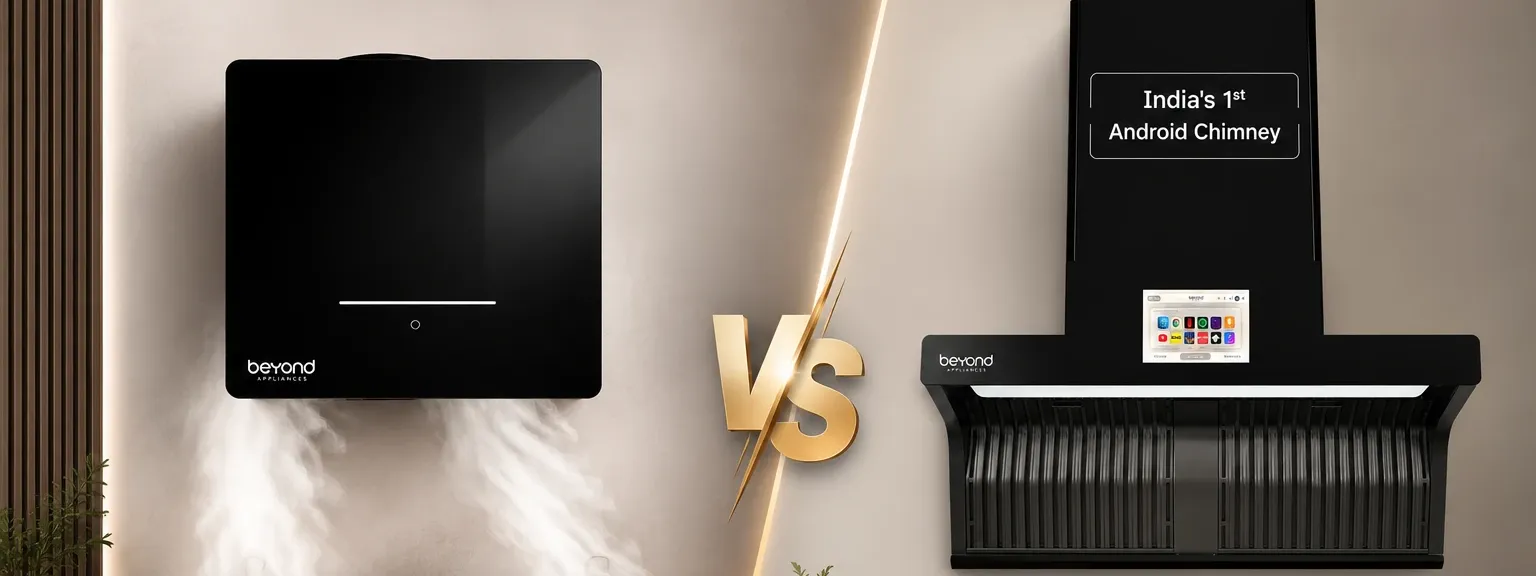
Choosing the right kitchen chimney goes beyond just functionality. Today's homeowners want appliances that enhance their kitchen's visual appeal while delivering excellent performance. The debate between aesthetic designer chimneys and standard functional hoods has become more relevant as modern kitchen design evolves. Understanding the differences helps you make an informed decision that balances style, performance, and budget for your home.
The kitchen chimney design landscape offers two distinct approaches: aesthetic-focused models and purely functional standard hoods. Aesthetic range hoods prioritize visual appeal with sleek finishes, integrated lighting, and contemporary shapes that complement modern kitchen themes. These models often feature premium materials like brushed stainless steel, tempered glass panels, and touch-control interfaces that blend seamlessly with high-end kitchen designs.
Standard hoods focus primarily on performance metrics like suction power and durability. While they may lack decorative elements, they typically offer robust ventilation capabilities at more affordable price points. The key difference lies in the design philosophy: aesthetic models treat the chimney as a design element, while standard hoods view it as a functional appliance.
Designer kitchen chimneys can transform your cooking area into a focal point. Their streamlined profiles and premium finishes create visual continuity with modern cabinetry and appliances. Standard hoods, while functional, may appear utilitarian and can disrupt the overall design flow of contemporary kitchens.
Aesthetic models typically offer superior finish quality with options like fingerprint-resistant coatings, LED accent lighting, and coordinated hardware. Standard hoods usually feature basic stainless steel or painted finishes without decorative enhancements.
Modern kitchen ventilation has evolved to become an integral part of interior design. Contemporary chimney designs emphasize clean lines, minimal visual bulk, and seamless integration with kitchen architecture. These stylish kitchen exhaust systems often feature innovative elements like hidden controls, ambient lighting, and ultra-slim profiles that maintain the kitchen's open, airy feel.
The latest trends in designer kitchen chimney models include curved glass surfaces, LED strip lighting, and touch-sensitive controls that eliminate traditional buttons and switches. These features create a sophisticated, high-tech appearance that appeals to modern homeowners who value both form and function.
Modern designs complement various kitchen styles from minimalist Scandinavian to industrial contemporary. The key is selecting finishes and shapes that harmonize with existing elements like cabinet hardware, lighting fixtures, and appliance finishes.
Successful integration involves matching or complementing the chimney finish with other kitchen metals. Stainless steel works universally, while black stainless or copper finishes can create striking design statements in the right setting.
Small kitchens present unique challenges where every design choice impacts the overall space perception. Compact kitchen chimney models specifically address these constraints through innovative design approaches. Slant or inclined chimneys offer excellent space efficiency by angling away from the cooking surface, creating more headroom while maintaining effective ventilation.
For compact modern kitchen layouts, wall-mounted models with slim profiles work better than bulky traditional designs. The visual weight of the chimney significantly affects how spacious the kitchen feels, making design selection crucial for smaller homes.
Modern compact models incorporate telescoping sections, fold-away components, and ultra-thin profiles that minimize visual impact. These features help maintain the open feel essential in smaller cooking spaces.
The chimney should not overwhelm the cooking area. Generally, the width should not exceed the cooktop width by more than 6 inches on each side, and the height should maintain proper clearance without dominating the vertical space.
Performance differences between aesthetic and standard models have narrowed significantly. Modern kitchen ventilation ideas incorporate powerful motors and efficient filtration systems in both categories. However, some trade-offs exist. Aesthetic models may prioritize quiet operation over maximum suction power, while standard hoods often emphasize raw performance metrics.
Suction capacity, measured in cubic feet per minute (CFM), varies widely within both categories. Premium aesthetic models can match or exceed standard hood performance while maintaining their design appeal. The key is understanding your specific cooking needs and matching them with appropriate specifications.
Designer models often incorporate sound-dampening technologies and variable speed controls that reduce operational noise. This makes them more suitable for open-plan kitchens where noise control is important.
Both categories offer energy-efficient options with LED lighting and variable speed motors. Aesthetic models may include smart features like automatic operation and energy monitoring that enhance overall efficiency.
Indian cooking generates significant smoke, grease, and strong aromas that demand effective ventilation. While aesthetic models cost more initially, they often provide better long-term value through superior build quality, advanced filtration systems, and enhanced durability. The investment becomes worthwhile when considering the daily use intensity typical in Indian households.
Standard hoods offer immediate cost savings but may require more frequent maintenance and earlier replacement. For families who cook extensively, investing in a quality aesthetic model often proves more economical over time.
Premium models typically feature better filter systems and easier cleaning mechanisms that reduce ongoing maintenance costs. The initial investment often pays for itself through reduced service requirements and longer component life.
Well-designed kitchen chimneys enhance overall kitchen appeal and can positively impact home resale value. This factor makes aesthetic models more attractive for homeowners considering long-term property value.
Slant or inclined chimneys work exceptionally well for small spaces as they provide excellent suction while taking up minimal visual space. Their angled design creates more headroom and makes the kitchen feel larger while effectively handling Indian cooking requirements.
Yes, modern aesthetic chimneys are specifically designed to handle heavy-duty Indian cooking. Many premium models offer suction capacities of 1000+ CFM with specialized filters for oil and spice particles, matching or exceeding standard hood performance.
Quality aesthetic chimneys typically range from INR 15,000 to INR 50,000, depending on features and brand. This investment often provides better long-term value through superior build quality, advanced features, and enhanced kitchen aesthetics.
Limited upgrades are possible through custom covers or decorative elements, but significant aesthetic improvements usually require replacing the unit. Modern aesthetic models offer integrated design elements that cannot be easily retrofitted to standard hoods.
The choice between aesthetic and standard kitchen chimneys depends on your priorities, budget, and kitchen design goals. Aesthetic models offer superior visual appeal, often better build quality, and enhanced features that justify their higher cost for many homeowners. Standard hoods remain viable for budget-conscious buyers who prioritize basic functionality over design appeal.
For modern Indian kitchens, investing in a well-designed aesthetic chimney often provides the best balance of performance, durability, and visual appeal. The key is selecting a model that matches your cooking needs, space constraints, and design preferences while ensuring adequate ventilation for your specific cooking style.
