

Install a Compact Electric Cooktop in Small Spaces
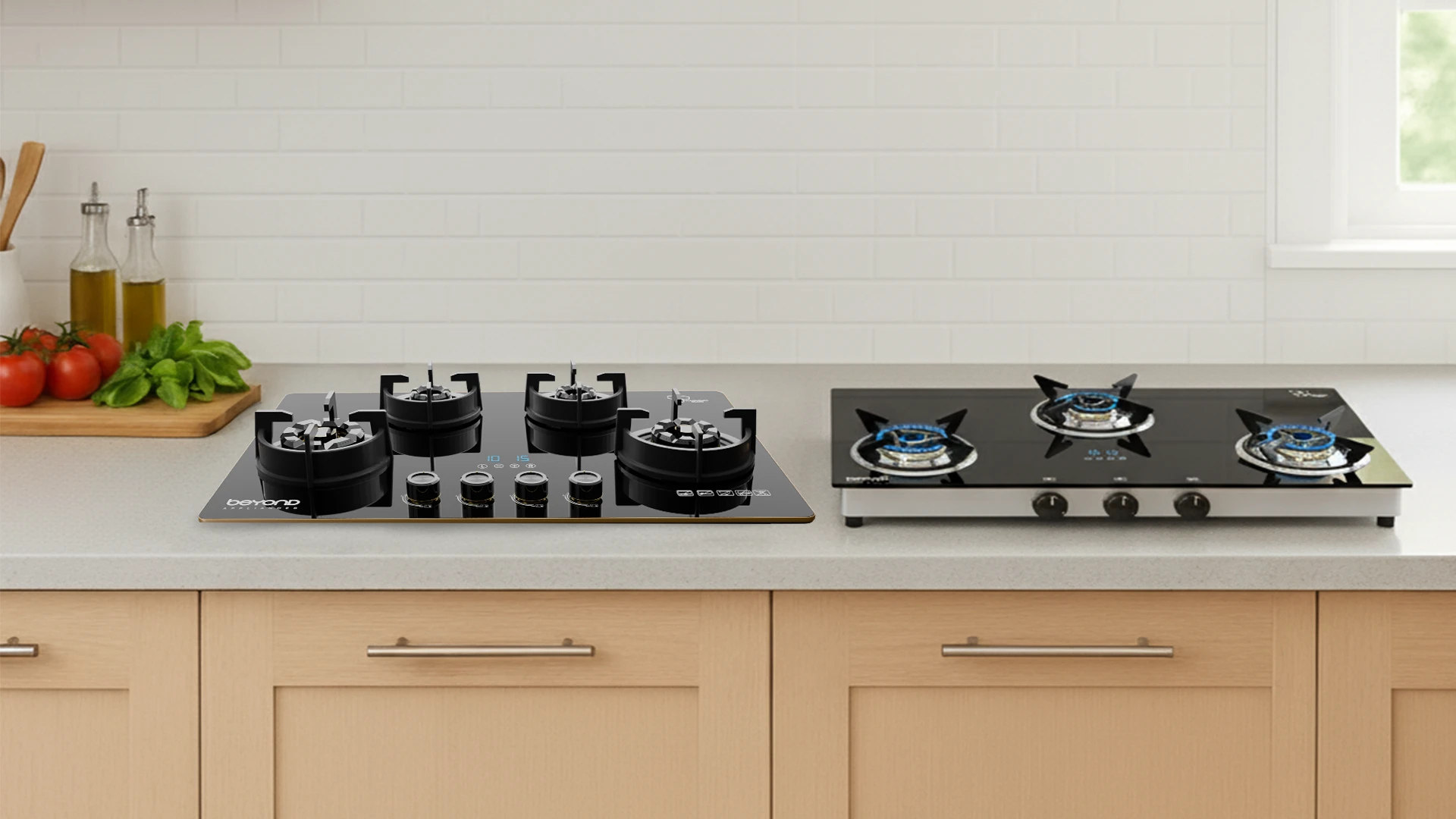
Small kitchens present unique challenges when it comes to cooking appliances. Limited counter space, restricted electrical options, and the need for multi-functional solutions make choosing the right cooking equipment crucial. An electric cooktop for small kitchens offers the perfect balance of functionality, efficiency, and space optimization. Whether you're living in a studio apartment, renovating a compact kitchen, or setting up a secondary cooking area, understanding how to select and install the right electric cooktop can transform your cooking experience while maximizing every square inch of available space.
Electric cooktops have become increasingly popular in compact living spaces due to their versatility and practical advantages. Unlike traditional gas ranges that require permanent installation and gas line connections, electric options provide flexibility that's essential in small kitchens. These appliances offer precise temperature control, easy maintenance, and modern safety features that make them ideal for confined cooking areas. The sleek design of modern electric cooktops also contributes to a cleaner, more streamlined kitchen aesthetic. Many models feature glass or ceramic surfaces that blend seamlessly with contemporary kitchen designs while providing easy-to-clean surfaces that don't harbor grease or food particles.
A small cooktop typically requires 60-70% less counter space than traditional ranges. Most compact cooktop models measure between 12-24 inches in width, compared to standard ranges that require 30 inches or more. This size difference allows for additional counter space that can serve multiple purposes throughout the day.
Electric cooktops consume significantly less energy than full-size ranges. A typical portable induction cooktop uses 1200-1800 watts compared to 3000-5000 watts for conventional electric ranges. This efficiency translates to lower electricity bills, which is particularly important for budget-conscious renters and small space dwellers.
Portable electric cooktops require no permanent installation or modifications to existing kitchen infrastructure. This flexibility makes them perfect for rental properties where permanent changes aren't allowed. Simply plug into a standard electrical outlet and start cooking immediately.
The market offers several distinct types of electric cooktops designed specifically for small kitchen applications. Each type serves different cooking needs and space constraints, making it important to understand the unique benefits of each option. From ultra-portable single-burner units to sophisticated built-in models, there's an electric cooktop solution for every small kitchen scenario. Modern electric hob technology has advanced significantly, offering restaurant-quality performance in compact packages. These improvements include faster heating times, more precise temperature control, and enhanced safety features that make them suitable for various living situations.
Induction technology represents the most advanced option for small kitchens. These units use electromagnetic fields to heat cookware directly, resulting in faster cooking times and improved energy efficiency. A two burner cooktop with induction technology can handle most cooking tasks while occupying minimal counter space.
Traditional electric countertop burner units offer reliable performance at budget-friendly prices. These models use radiant heating elements beneath glass or ceramic surfaces, providing consistent heat distribution for various cooking methods. They're particularly suitable for users who already own standard cookware.
A mini electric stove combines multiple burners in an extremely compact design. These units often feature different burner sizes to accommodate various pot and pan sizes while maintaining a small overall footprint. Many models include built-in storage compartments for cookware and utensils.
Innovative space saving cooktop designs include fold-down models that can be stored vertically when not in use. Some units feature retractable burners or modular designs that allow customization based on immediate cooking needs.
Selecting the right electric cooktop requires careful consideration of your specific space constraints, cooking habits, and electrical capabilities. The decision impacts not only your daily cooking experience but also the overall functionality and aesthetics of your small kitchen. Understanding key selection criteria helps ensure you choose a cooktop that meets both immediate needs and long-term requirements. Successful cooktop selection involves balancing performance requirements with space limitations. Consider how often you cook, what types of meals you prepare, and whether you need the flexibility of a portable unit or prefer the permanence of a built-in installation.
Measure your available counter space carefully, accounting for required clearances around the cooktop. Most manufacturers recommend at least 6 inches of clearance on all sides for safe operation. Consider whether a single large burner or multiple smaller burners better suits your cooking style.
Most portable units operate on standard 120V household current, while built-in models may require 240V connections. Check your electrical panel capacity before purchasing higher-wattage units. Consider hiring a qualified electrician for electrical assessments if you're unsure about your home's capabilities.
Induction cooktops require magnetic cookware, while traditional electric models work with any flat-bottomed pots and pans. If you're investing in an induction cooktop, budget for compatible cookware if your current collection isn't suitable.
Look for safety features like automatic shut-off, child locks, and overheat protection. Easy-to-clean surfaces are crucial in small spaces where spills can quickly create problems. Consider models with digital displays and precise temperature controls for better cooking results.
Proper installation ensures safe operation and optimal performance from your new electric cooktop. While portable models require minimal setup, built-in units need more careful planning and execution. Following manufacturer guidelines and local electrical codes is essential for both safety and warranty compliance. Installation complexity varies significantly between portable and built-in models. Portable units typically require only proper placement and electrical connection, while built-in installations may involve countertop modifications and dedicated electrical circuits.
Assess your electrical system's capacity to handle the new cooktop's power requirements. Check local building codes for any permit requirements, especially for built-in installations. Ensure adequate ventilation in your small kitchen to handle cooking heat and steam.
Place the unit on a stable, level surface away from water sources and flammable materials. Ensure the electrical outlet can handle the unit's amperage requirements. Test all functions before first use to confirm proper operation.
Mark and cut countertop openings according to manufacturer specifications. Install any required electrical connections following local codes. Secure the unit properly and test all safety features before regular use.
Circuit overloading is the most common electrical issue. If breakers trip frequently, consult an electrician about upgrading your electrical service. Ensure proper grounding for all electrical connections to prevent safety hazards.
Maintaining your electric cooktop properly extends its lifespan while ensuring safe operation in your small kitchen environment. Regular cleaning and proper usage habits prevent common problems and maintain optimal performance. Understanding safety protocols is particularly important in confined spaces where accidents can have more serious consequences. Proper maintenance also preserves your cooktop's appearance and functionality, which is crucial in small kitchens where every appliance is highly visible and frequently used.
Maintain proper clearances around the cooktop to prevent overheating and fire hazards. Install adequate ventilation to remove cooking heat and moisture. Keep flammable materials away from the cooking surface, especially important in cramped quarters.
Clean spills immediately to prevent permanent staining on glass or ceramic surfaces. Use manufacturer-recommended cleaning products to avoid damaging specialized coatings. Regular deep cleaning prevents buildup that can affect performance and appearance.
Use appropriately sized cookware to maximize heat transfer efficiency. Match pot sizes to burner sizes to avoid energy waste. Consider using lids to reduce cooking times and energy consumption.
Electric radiant cooktops offer excellent value with sleek glass surfaces that are easy to clean and provide surprising performance. For maximum efficiency, induction cooktops are ideal despite higher upfront costs, typically ranging from INR 15,000 to INR 40,000.
Main drawbacks include the need for induction-compatible cookware, higher initial cost, quick heating that can cause burns in confined spaces, and more complex operation and repair requirements.
Induction cooktops are most energy efficient, drawing 40-50% less energy than electric coil or ceramic cooktops due to their electromagnetic field technology that heats cookware directly.
1600W units offer faster heating and better performance for larger pots, while 1200W models are sufficient for basic cooking needs and use less electricity. Choose based on your typical cooking requirements and electrical capacity.
Portable models require no installation beyond plugging into an outlet. Built-in models may require electrical work that should be performed by qualified professionals to ensure safety and code compliance.
Most compact models require 12-24 inches of width plus 6 inches clearance on all sides. Measure your space carefully and account for ventilation requirements when planning placement.
Installing an electric cooktop for small kitchens opens up new possibilities for cooking in compact spaces. Whether you choose a portable induction cooktop for maximum flexibility or a built-in modern cooktop design for permanent installation, the key is matching the appliance to your specific needs and space constraints. With proper selection, installation, and maintenance, a quality electric cooktop can provide years of reliable service while maximizing the functionality of your small kitchen. Remember to prioritize safety features and energy efficiency to get the most value from your investment.
