

How to Use Auto Clean Chimney for Smoky Kitchens
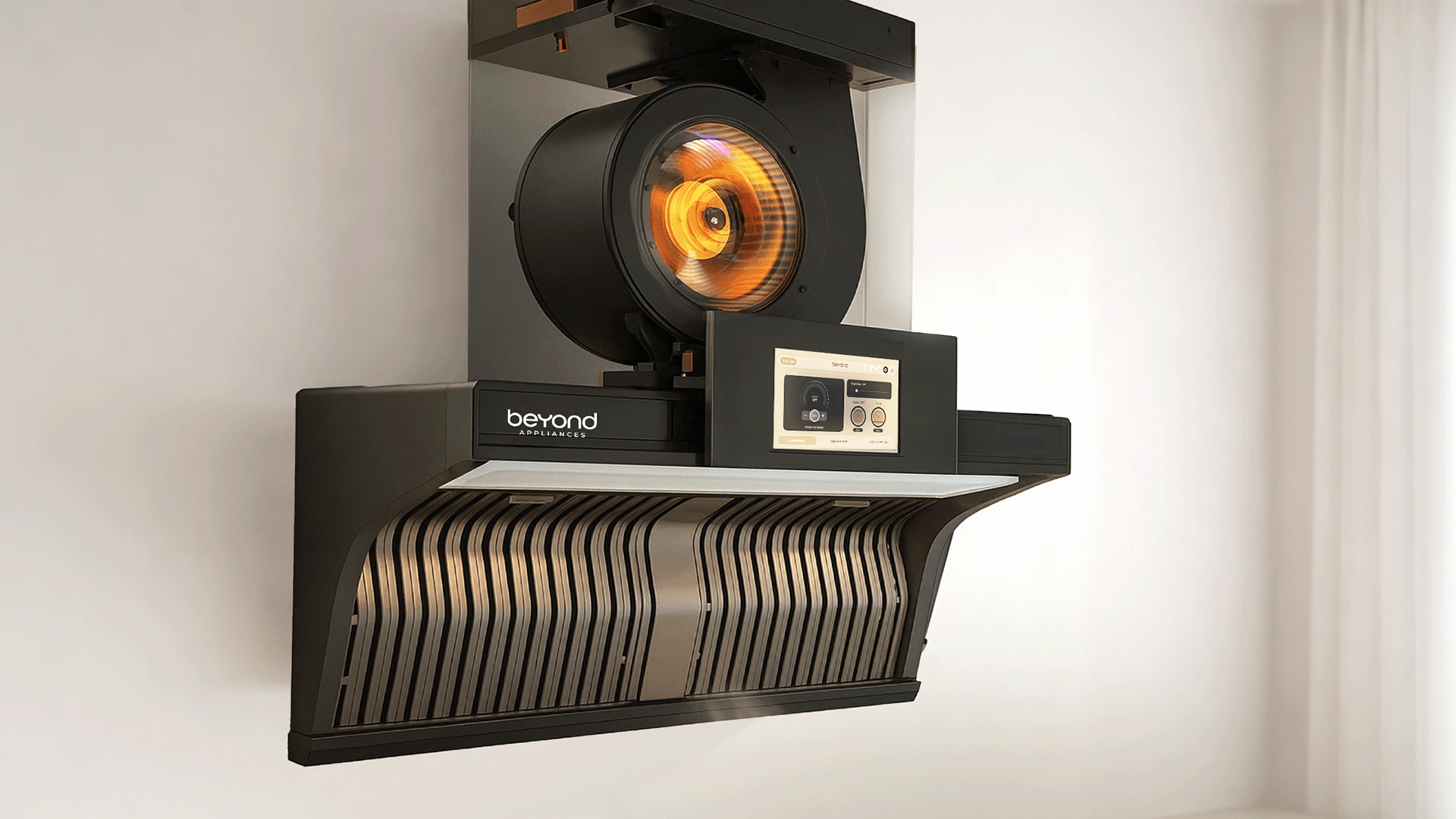
Smoky kitchens are a common challenge in Indian homes, especially when preparing traditional dishes with heavy spices and oils. An auto clean chimney for smoky kitchens offers a modern solution that eliminates the hassle of manual cleaning while maintaining powerful suction. These advanced appliances use heat-based technology to automatically clean internal components, making them ideal for busy households that cook frequently. Understanding how to properly use and maintain your auto clean kitchen chimney ensures optimal performance and extends its lifespan significantly.
An auto clean kitchen chimney represents a significant advancement in modern kitchen ventilation technology. Unlike traditional chimneys that require frequent manual cleaning, these units feature a self-cleaning mechanism that uses heat to remove oil and grease deposits automatically.
The core technology behind auto clean chimneys involves heating the internal components to temperatures between 200-250 degrees Celsius. This process liquefies accumulated oil and grease, which then drains into a removable oil collector tray.
Key components include:
Heat-resistant internal chambers that withstand high temperatures
Oil collector trays that capture liquefied grease
Motion sensors that detect cooking activity
Filterless design that eliminates traditional baffle or mesh filters
Automated control systems that manage cleaning cycles
The filterless design is particularly beneficial for Indian cooking, as it prevents clogging from heavy oil and spice particles. Motion sensor controls automatically adjust suction speed based on cooking activity, ensuring optimal performance without manual intervention.
Indian cooking methods generate significantly more smoke and oil particles compared to other cuisines. Traditional techniques like tempering spices, deep frying, and high-heat cooking create challenging conditions for standard ventilation systems.
The benefits of using an auto clean chimney for smoky kitchens include:
Superior smoke extraction capacity ranging from 1000-1500 m³/hr
Reduced maintenance compared to conventional kitchen air purifier systems
Better health outcomes by removing harmful cooking fumes
Protection of kitchen walls and cabinets from oil deposits
Enhanced cooking comfort in compact kitchen spaces
Health benefits are particularly important, as prolonged exposure to cooking smoke can cause respiratory issues. Auto clean chimneys effectively remove particulates and volatile organic compounds that traditional exhaust fans cannot handle.
Maintenance requirements differ significantly between auto clean and normal chimneys. Traditional chimneys require monthly filter cleaning and quarterly deep cleaning, while auto clean models need only periodic oil tray emptying.
Long-term performance analysis shows auto clean chimneys maintain consistent suction power, whereas normal chimneys experience declining efficiency as filters become clogged.
Proper operation of your auto clean kitchen chimney begins with correct initial setup and continues with daily usage best practices. Following manufacturer guidelines ensures optimal performance and longevity.
Pre-cooking preparation involves checking the oil collector tray and ensuring adequate clearance around the chimney. Most models require 24-30 inches of space between the cooktop and chimney bottom for effective suction.
Daily operation steps include:
Turn on the chimney before lighting the cooktop
Select appropriate suction speed based on cooking intensity
Allow the chimney to run for 2-3 minutes after cooking completion
Activate auto clean function if cooking involved heavy oil or spices
Check oil collector tray weekly for accumulated residue
Optimal suction speed settings vary by cooking type. Light cooking requires speed 1-2, while heavy frying or grilling needs maximum speed settings. Motion sensor models automatically adjust these settings based on detected smoke levels.
Wall mounted chimney models require proper ducting for external venting, while ductless chimney units recirculate filtered air back into the kitchen. Each type has specific operational considerations.
Compact chimney design models work well in smaller kitchens but may require higher suction speeds to compensate for reduced internal volume.
Achieving optimal performance from your auto clean chimney requires attention to installation details and usage patterns. Proper positioning significantly impacts suction efficiency and smoke capture rates.
Installation height should be 24-30 inches above gas cooktops and 26-32 inches above electric cooktops. This distance ensures effective smoke capture without interfering with cooking activities.
Pre-cooking optimization includes:
Closing kitchen doors and windows to prevent air circulation interference
Ensuring cooktop burners are properly aligned with chimney coverage area
Checking that oil collector tray is properly seated
Verifying motion sensors are clean and unobstructed
During cooking, position pots and pans to maximize smoke capture. Large vessels should be centered under the chimney, while multiple burner cooking may require higher suction speeds.
Post-cooking maintenance involves running the chimney for additional minutes to clear residual smoke and activating the auto clean cycle when necessary. This practice prevents oil buildup and maintains optimal performance.
Common issues with auto clean kitchen chimneys often relate to sensor calibration, suction power, or cleaning cycle malfunctions. Understanding these problems helps maintain consistent performance.
Sensor malfunction symptoms include failure to automatically adjust suction speed or delayed response to cooking activity. Cleaning sensor surfaces with a soft cloth usually resolves these issues.
Insufficient suction power may result from:
Blocked external venting in ducted models
Overloaded oil collector tray
Incorrect installation height
Motor bearing wear in older units
Auto clean cycle problems often stem from incomplete heating cycles or electrical issues. Ensure adequate power supply and allow full cycle completion without interruption.
Oil collector overflow can damage internal components. Regular emptying prevents this issue and maintains proper drainage during auto clean cycles.
Regular maintenance ensures your auto clean kitchen chimney operates efficiently for years. Following a structured schedule prevents major issues and maintains warranty coverage.
Weekly maintenance includes checking and emptying the oil collector tray, cleaning external surfaces, and inspecting motion sensors for dust accumulation.
Monthly tasks involve:
Deep cleaning the oil collector tray with warm soapy water
Wiping down internal surfaces accessible without disassembly
Checking electrical connections for loose wires
Testing auto clean function operation
Inspecting external ducting for blockages
External surface care varies by finish type. Stainless steel surfaces require specialized cleaners to prevent water spots, while glass panels need streak-free cleaning solutions.
Professional service becomes necessary when auto clean cycles fail consistently, unusual noises develop, or suction power decreases significantly despite proper maintenance.
Yes, auto clean chimneys effectively handle heavy Indian cooking through heat-based cleaning technology. The high-temperature cleaning process liquefies oil and grease deposits, maintaining consistent performance even with frequent use of spices and oils.
Auto clean kitchen chimneys range from INR 8,990 for basic models to INR 25,000 for premium units with advanced features. Factors affecting pricing include suction capacity, brand reputation, additional features like motion sensors, and build quality.
For heavy cooking households, run the auto clean function weekly. Light cooking families can extend this to bi-weekly intervals. Heavy oil cooking or frequent frying may require more frequent cleaning cycles to maintain optimal performance.
Compact chimney designs with 60cm width work well for small kitchens. Ductless models offer installation flexibility, while wall mounted chimneys provide powerful suction in limited spaces. Choose models with 1000+ m³/hr capacity for effective smoke removal.
Auto clean chimneys significantly reduce kitchen smoke but cannot eliminate it completely. Proper installation, appropriate suction capacity, and correct usage practices achieve 85-95% smoke removal efficiency in typical cooking scenarios.
Regular oil collector tray emptying, external surface cleaning, and periodic professional servicing remain necessary. The auto clean function handles internal component cleaning but cannot address all maintenance requirements.
Auto clean chimneys represent the ideal solution for smoky kitchen challenges in Indian homes. Their heat-based cleaning technology eliminates manual maintenance while providing superior smoke extraction capabilities. Proper installation, regular oil tray maintenance, and understanding operational features ensure optimal performance for years.
Success with auto clean kitchen chimneys depends on choosing the right model for your cooking habits, following proper usage guidelines, and maintaining regular care schedules. These appliances offer significant convenience and health benefits compared to traditional ventilation solutions, making them worthwhile investments for modern kitchens.
