

How to Use a Gas Hob: A Step-by-Step Cooking Tutorial
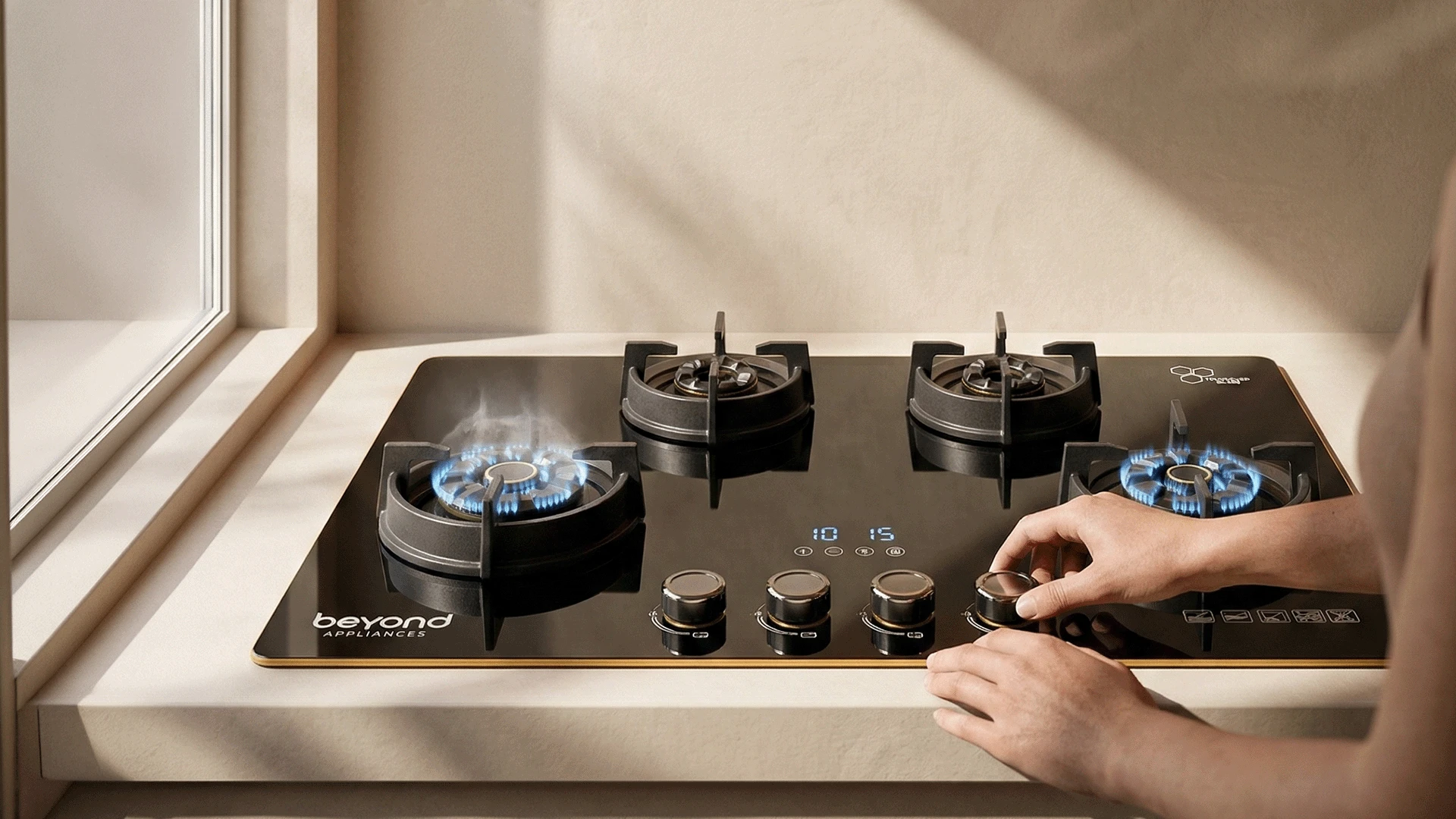
Gas hobs remain the preferred choice for millions of home cooks who value precise heat control and instant flame adjustment. Whether you're setting up your first kitchen or upgrading to a modern gas cooking system, understanding how to use a gas hob safely and effectively transforms your cooking experience. This comprehensive guide covers everything from basic operation to advanced techniques, ensuring you can confidently prepare delicious meals while maintaining the highest safety standards. Modern gas hobs offer superior temperature control compared to electric alternatives, making them ideal for everything from gentle simmering to high-heat stir-frying.
Gas hobs come in several configurations to suit different kitchen layouts and cooking needs. Built-in models integrate seamlessly with countertops, while freestanding units offer flexibility for renters or temporary setups. Portable gas hobs provide excellent backup cooking options during power outages or outdoor cooking adventures.
Every gas hob features essential components that work together for safe operation. The burners distribute gas evenly for consistent heating, while control knobs regulate gas flow with precision. Modern ignition systems eliminate the need for matches, and sturdy pan supports accommodate various cookware sizes safely.
The burner assembly consists of the gas ring, burner cap, and flame spreader that ensure even heat distribution. Control knobs feature clear markings for different heat levels, from gentle simmer to maximum output. Pan supports are designed with specific spacing to prevent cookware from tipping while allowing proper airflow around flames.
Contemporary gas hobs incorporate safety features like flame failure devices that automatically shut off gas supply if flames extinguish unexpectedly. Some models include electric ignition systems, making lighting effortless with just a turn of the knob. Traditional designs may require manual lighting but often provide more robust construction and easier maintenance.
Safety must always be your top priority when operating any gas appliance. Before using your gas hob, conduct a thorough safety inspection to ensure all connections are secure and components function properly. Proper preparation prevents accidents and ensures years of safe cooking enjoyment.
Adequate ventilation is crucial for safe gas hob operation. Open windows or use exhaust fans to prevent gas buildup and ensure fresh air circulation. Never use gas hobs in enclosed spaces without proper ventilation, as this can lead to dangerous carbon monoxide accumulation.
Check all gas connections for tightness and inspect hoses for cracks or wear. Ensure burner caps are properly seated and pan supports are stable. Test the gas shut-off valve location so you can quickly stop gas flow in emergencies. Keep a fire extinguisher nearby and ensure smoke detectors are functional.
Learn to identify gas leaks by smell, sound, or sight. Natural gas has a distinctive sulfur-like odor added for safety. If you suspect a leak, immediately turn off the gas supply, avoid electrical switches, and ventilate the area. Contact your gas supplier or emergency services if you cannot locate or stop the leak.
Modern gas hobs typically feature automatic ignition systems that make lighting simple and safe. Understanding both automatic and manual lighting techniques ensures you can operate your hob regardless of the ignition type. Proper lighting technique prevents gas buildup and ensures immediate, controlled ignition.
Always ensure adequate ventilation before attempting to light your gas hob. Position your cookware on the appropriate burner before ignition to prevent delays that could allow gas accumulation. Keep your face and hands away from the burner area during the lighting process.
Turn the control knob to the ignition position while pressing down firmly. You should hear clicking sounds as the piezo ignition creates sparks. Once the flame ignites, continue holding the knob for a few seconds to allow the thermocouple to heat up, then release to the desired heat setting.
For manual ignition, light a long match or lighter before turning on the gas. Hold the flame near the burner while slowly turning the control knob to release gas. The burner should ignite immediately upon gas contact with the flame. Never turn on gas without having an ignition source ready.
New gas hobs may require initial purging to remove air from gas lines. Turn each burner on briefly to allow any trapped air to escape before normal operation. Test each burner individually to ensure proper ignition and flame characteristics before cooking.
Effective gas hob burner adjustment is essential for successful cooking results. Understanding flame characteristics helps you achieve optimal temperatures for different cooking techniques. Proper adjustment also ensures energy efficiency and prevents food from burning or cooking unevenly.
Blue flames indicate complete combustion and optimal efficiency, while yellow or orange flames suggest incomplete burning that wastes gas and produces harmful emissions. Adjust the air intake or contact a technician if flames consistently appear yellow or produce excessive soot.
Ideal gas flames burn blue with clearly defined inner and outer cones. The flame should be steady without flickering or lifting off the burner. Proper flames provide maximum heat transfer to cookware while minimizing gas consumption and emissions.
Match burner size to cookware diameter for maximum efficiency. Large pans work best on high-output burners, while small saucepans perform better on smaller burners. Using appropriately sized burners prevents heat waste and ensures even cooking temperatures across the pan bottom.
Start cooking on high heat to bring food to temperature quickly, then reduce to maintain desired cooking conditions. Use lids to retain heat and reduce cooking times. Position cookware centrally over flames to maximize heat transfer and minimize energy waste.
Proper gas hob installation requires professional expertise to ensure safety and compliance with local regulations. Licensed technicians have the knowledge and tools necessary to make secure gas connections and test system integrity. Never attempt gas appliance installation without proper qualifications and permits.
Installation involves connecting gas supply lines, securing the hob to countertops or stands, and testing all connections for leaks. Professional installers also verify adequate ventilation and ensure compliance with building codes and safety standards.
Gas appliance installation must comply with local building codes and safety regulations. Licensed installers carry appropriate insurance and certifications to perform gas work safely. They also provide documentation required for warranty coverage and insurance claims.
Portable gas hobs using cylinders require proper regulator installation and secure connections. Check cylinder valves and connections regularly for wear or damage. Store cylinders upright in well-ventilated areas away from heat sources and electrical equipment.
Regular maintenance keeps your gas hob operating safely and efficiently while extending its lifespan significantly. Proper cleaning prevents grease buildup that can affect performance and create fire hazards. Establishing routine maintenance schedules ensures optimal operation and early detection of potential issues.
Clean your gas hob after each use while components are still warm but not hot. This prevents food residues from hardening and makes cleaning much easier. Use appropriate cleaning products that won't damage surfaces or clog gas ports.
Remove pan supports and burner caps for thorough cleaning with warm soapy water. Wipe down the hob surface with appropriate cleaners, avoiding harsh abrasives that could scratch surfaces. Dry all components completely before reassembly to prevent corrosion.
Monthly deep cleaning involves removing and soaking burner components to eliminate grease buildup. Use soft brushes to clean gas ports carefully, ensuring no debris blocks gas flow. Check and clean the ignition system components to maintain reliable operation.
Annual professional servicing ensures gas connections remain secure and safety systems function properly. Technicians can identify wear patterns and potential issues before they become serious problems. Regular servicing maintains warranty coverage and ensures optimal performance.
Understanding common gas hob problems helps you identify issues early and determine when professional assistance is necessary. Many minor issues can be resolved with simple adjustments or cleaning, while others require qualified technician intervention for safety reasons.
Keep a troubleshooting log to track recurring issues and maintenance performed. This information helps technicians diagnose problems more efficiently and can reveal patterns that indicate underlying issues requiring attention.
Ignition failures often result from dirty or wet ignition components. Clean spark plugs with dry cloth and ensure burner caps are properly positioned. Check that gas supply is adequate and control knobs are functioning correctly.
Yellow flames or uneven burning typically indicate blocked gas ports or incorrect air mixture. Clean burner components thoroughly and check for debris in gas passages. Contact a technician if flame problems persist after cleaning.
Persistent gas odors require immediate attention and may indicate loose connections or damaged components. Turn off gas supply and ventilate the area immediately. Contact qualified technicians to inspect and repair gas system components safely.
Ensure adequate ventilation, then turn the control knob to the ignition position while pressing down. For automatic ignition, hold until you hear clicking and see flames, then adjust to desired heat level. For manual ignition, light a match or lighter first, then slowly turn the gas knob while holding the flame near the burner.
Match burner size to cookware diameter and use appropriate heat levels for different cooking techniques. Start with higher heat to bring food to temperature, then reduce for maintaining cooking conditions. Use lids to retain heat and position pans centrally over flames for even heating.
Yes, inadequate ventilation can lead to carbon monoxide buildup, causing dizziness, headaches, or nausea. Always ensure proper ventilation when using gas appliances and install carbon monoxide detectors in your kitchen. If you experience symptoms, turn off the gas, ventilate the area, and seek fresh air immediately.
First, ensure adequate ventilation and check that burner caps are properly seated. Turn the control knob to ignition while pressing down for automatic systems, or light manually with a match. Adjust flame to desired level, place cookware centrally, and monitor cooking progress. Turn off completely when finished and ensure flames are extinguished.
Turn the control knob clockwise to the off position until it clicks into place. Ensure flames are completely extinguished before leaving the hob unattended. For gas cylinder connections, also turn off the cylinder valve when finished cooking for extended periods.
Connect the regulator securely to the cylinder valve and check all connections for leaks using soapy water. Open the cylinder valve slowly and test ignition on each burner. Always store cylinders upright in ventilated areas and check connections regularly for wear or damage.
Mastering gas hob operation combines safety awareness with practical cooking skills. Regular maintenance and proper cleaning ensure reliable performance and extend appliance lifespan significantly. Understanding your specific hob type and its features helps you achieve better cooking results while maintaining safety standards.
Remember that professional installation and annual servicing are essential for safe operation. When in doubt about any gas appliance issue, always consult qualified technicians rather than attempting repairs yourself. With proper knowledge and care, your gas hob will provide years of excellent cooking performance and culinary satisfaction.
