

How to Use a Chimney Remote Control Effectively
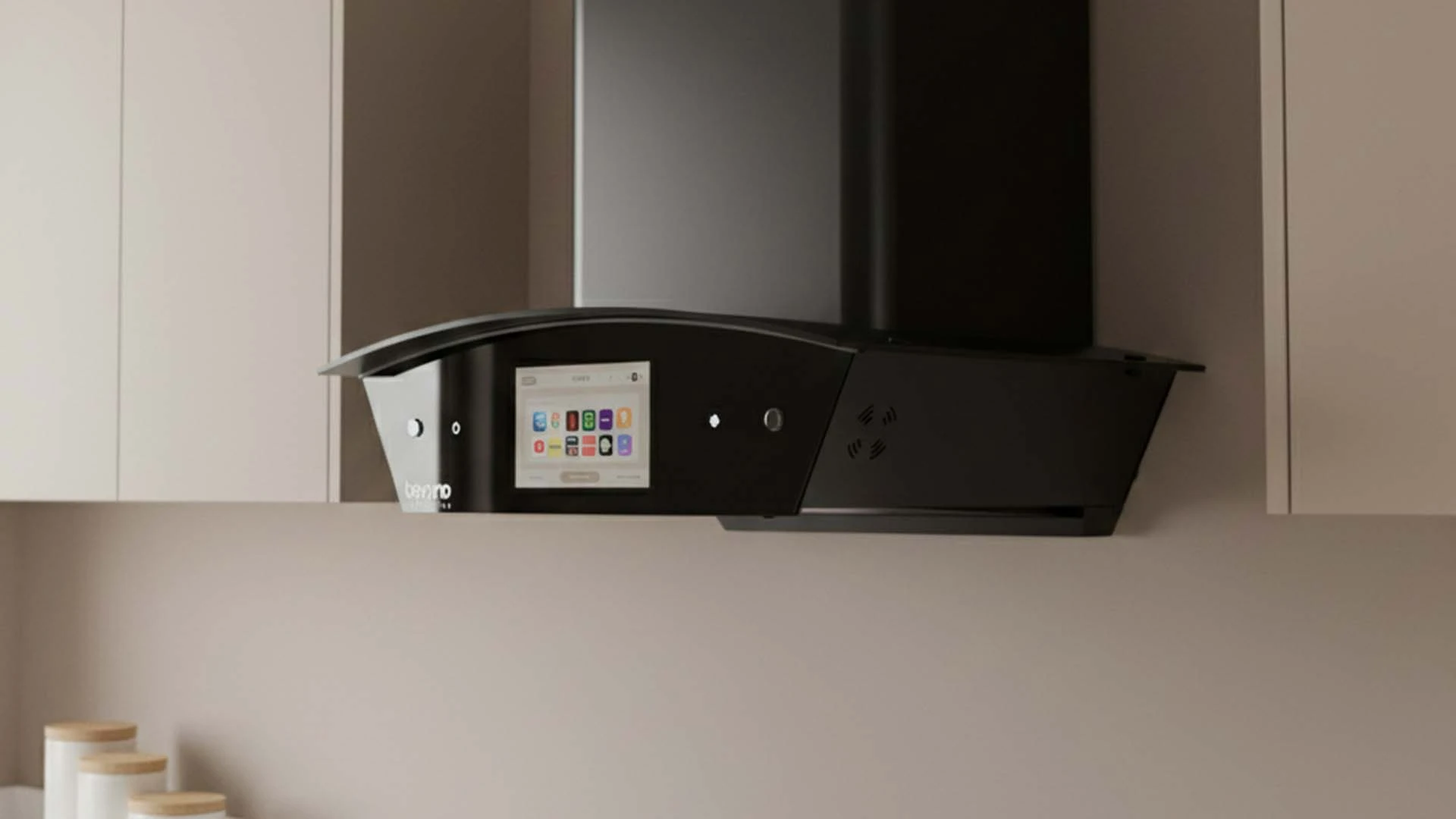
Modern kitchens demand smart solutions that make cooking easier and more enjoyable. Remote control technology has revolutionized how we interact with kitchen appliances, especially chimneys. Gone are the days of reaching over hot pans to adjust settings manually. Today's chimney features remote control systems that put complete control at your fingertips, allowing you to focus on creating delicious meals while maintaining a clean, comfortable cooking environment. Whether you're dealing with heavy Indian cooking or light meal preparation, understanding how to use your remote control effectively can transform your kitchen experience.
Remote controlled chimney systems represent a significant leap forward in kitchen technology. These systems combine convenience with precision, allowing users to operate their chimneys without interrupting their cooking flow. The technology has evolved from basic on-off functions to sophisticated control systems that manage multiple features simultaneously. Modern chimney control systems integrate seamlessly with contemporary kitchen designs. They eliminate the need for physical switches mounted on walls or the chimney unit itself, creating cleaner aesthetics while providing enhanced functionality. This evolution particularly benefits busy home cooks who need quick, responsive control over their kitchen environment.
The shift from manual to remote controlled chimney operation addresses several practical needs. During intense cooking sessions, especially with Indian cuisine that involves multiple spices and high-heat cooking, having hands-free control prevents interruptions. You can adjust suction power, lighting, and timer settings without leaving your cooking station. Remote control systems also enhance safety by allowing users to activate chimneys before cooking begins and adjust settings without reaching over hot surfaces. This feature proves particularly valuable when cooking with oil or preparing dishes that generate significant smoke and steam.
Electric fireplace remote controls typically offer the most comprehensive feature sets. These systems can manage power, fan speed, lighting, and often include programmable timers. The compact fireplace remote designs ensure easy handling while providing access to all essential functions. Gas fireplace remote systems focus primarily on safety and basic operation. These remotes often include safety lockout features and simplified controls to prevent accidental activation. Kitchen chimney remotes bridge both worlds, offering comprehensive control while maintaining user-friendly operation for daily cooking needs.
Understanding your remote's capabilities helps maximize your chimney's performance. Most modern remotes control multiple functions that work together to create an optimal cooking environment. These features range from basic operations to advanced automated functions that adapt to your cooking patterns. The integration of smart technology means today's remote fireplace controls can learn from your usage patterns. Some systems remember your preferred settings for different cooking activities, automatically adjusting suction power and lighting based on time of day or cooking intensity.
Power management forms the foundation of remote control functionality. Most systems feature instant on-off capability with confirmation indicators. Speed control typically offers three to five levels, allowing precise adjustment based on cooking intensity. Low speeds work well for light sautéing, while high speeds handle heavy frying or grilling. LED lighting controls have become standard features, offering adjustable brightness levels. Many systems include warm and cool light options, helping create the right ambiance while providing adequate task lighting for food preparation.
Timer functionality represents one of the most practical advanced features. You can set your chimney to run for specific durations after cooking, ensuring complete smoke and odor removal without manual monitoring. Auto-shut off prevents energy waste and extends motor life. Heat auto-clean functions, controlled remotely, maintain your chimney's efficiency. These systems heat internal components to burn off accumulated grease and particles, reducing maintenance requirements and ensuring consistent performance.
Proper setup ensures reliable operation and access to all features. Most modern chimneys come with pre-paired remotes, but understanding the pairing process helps when replacing batteries or troubleshooting connectivity issues. The setup process typically takes just a few minutes and requires no technical expertise. Successful pairing depends on following the correct sequence and understanding your specific model's requirements. Different manufacturers use varying pairing methods, but most follow similar basic principles.
Start by installing fresh batteries in your remote, ensuring correct polarity. Locate the pairing button on both the remote and the chimney unit - this might be a small recessed button requiring a paperclip to press. Turn on your chimney's main power supply before beginning the pairing process. Press and hold the pairing button on the chimney unit for three to five seconds, then immediately press the pairing button on the remote. Look for confirmation indicators such as blinking lights or beeping sounds. A steady blue light typically indicates successful pairing.
Once paired, program your preferred default settings. Most remotes allow you to set favorite speed levels, lighting preferences, and timer durations. These programmed settings activate with single button presses, streamlining daily operation. Memory functions store multiple user profiles, beneficial for households with different cooking styles. Some family members might prefer higher suction levels, while others cook with methods requiring minimal ventilation.
Different chimney types require specific operational approaches to maximize effectiveness. Understanding these differences helps you get the best performance from your remote control fireplace system while ensuring longevity and efficiency. Kitchen chimneys designed for Indian cooking often feature more robust remote control systems due to the demanding cooking environment. These systems must handle high temperatures, significant smoke production, and frequent operation cycles.
Activate your chimney two to three minutes before beginning cooking, especially for high-heat preparations. This pre-activation creates proper airflow patterns and ensures immediate smoke capture when cooking begins. Use medium speed for most cooking activities, reserving high speed for heavy frying or when cooking multiple dishes simultaneously. Coordinate your remote settings with cooking intensity. Light sautéing requires minimal suction, while deep frying or grilling demands maximum power. Adjust settings gradually rather than jumping between extreme levels, which can create air turbulence and reduce efficiency.
Electric chimney features remote control systems typically offer more granular control options. These systems can adjust BLDC motor speeds in smaller increments, providing precise airflow management. The remote control allows real-time adjustment without affecting cooking processes. Gas fireplace remote systems prioritize safety features. These remotes often include automatic shut-off functions and safety interlocks that prevent operation under unsafe conditions. Understanding these safety features ensures proper operation and prevents potential hazards.
Even reliable remote control systems occasionally experience connectivity or functionality issues. Understanding common problems and their solutions helps maintain consistent operation without requiring professional service calls. Most issues stem from simple causes with straightforward solutions. Regular maintenance of both the remote device and the chimney's receiver components prevents many common problems. Environmental factors in kitchens, such as humidity and temperature fluctuations, can affect electronic components over time.
Range limitations often cause connectivity issues. Most chimney remotes work effectively within 15-20 feet, but obstacles like thick walls or metal surfaces can reduce this range. Test your remote from various positions to identify optimal operating locations. Battery-related problems account for many connectivity issues. Weak batteries may maintain basic functions while losing range or responsiveness. Replace batteries annually or when you notice decreased performance, even if the remote still operates.
Speed control problems often indicate receiver issues rather than remote malfunctions. If other functions work normally but speed adjustment fails, check the chimney's main control panel for error indicators. Some systems require manual reset after power outages or electrical surges. LED lighting remote control issues frequently result from bulb failures rather than remote problems. Test lighting functions during daylight hours to clearly see whether bulbs illuminate properly. Replace LED components as needed to restore full functionality.
Modern chimney control systems increasingly integrate with smart home technology. These advanced features extend beyond basic remote control, offering smartphone connectivity, voice control, and automated operation based on cooking patterns or air quality sensors. Smart integration represents the future of kitchen appliance control. Systems that learn from your cooking habits can automatically adjust settings, providing optimal performance without constant manual adjustment.
Smartphone applications extend remote control capabilities beyond physical remotes. These apps often provide detailed usage statistics, maintenance reminders, and the ability to control your chimney from anywhere in your home. Some systems send notifications when filters require cleaning or replacement. Voice control integration with systems like Alexa or Google Assistant allows hands-free operation even when your remote isn't immediately accessible. Simple voice commands can adjust speed, activate lighting, or set timers without interrupting cooking activities.
Motion sensor technology complements traditional remote control systems. These sensors can automatically activate your chimney when they detect movement in the cooking area, ensuring immediate smoke capture. The PlugnPlay Cube Chimney exemplifies this integration with its one-button control system that simplifies operation while maintaining comprehensive functionality. Gesture control serves as an innovative backup to traditional remotes. Wave-based controls allow operation even when hands are messy from cooking, providing flexibility that enhances the cooking experience.
Proper maintenance extends the life of both your remote control device and the chimney's electronic components. Kitchen environments present unique challenges for electronic devices, including humidity, temperature variations, and potential exposure to cooking residues. Regular care prevents most common issues and ensures consistent performance. Simple maintenance routines take minimal time but provide significant benefits in terms of reliability and longevity.
Store your remote in a clean, dry location away from direct heat sources. Kitchen humidity can affect electronic components over time, so avoid leaving remotes near sinks or in areas with high moisture levels. Clean the remote monthly with a slightly damp cloth, avoiding harsh chemicals that might damage the surface or buttons. Battery maintenance involves more than simple replacement. Remove batteries if you won't use the remote for extended periods, preventing corrosion damage. Use high-quality alkaline batteries for best performance and longest life.
Utilize auto-clean features regularly to maintain optimal performance. Most systems recommend weekly auto-clean cycles for heavy cooking households or bi-weekly cycles for moderate use. The remote control makes scheduling these maintenance cycles convenient and consistent. Monitor filter status indicators displayed through your remote control system. Many modern chimneys provide filter life information through the remote, helping you schedule replacements before performance degrades. The PlugnPlay Cube Chimney's 4-year filter life reduces maintenance frequency while its remote system tracks filter condition.
First, replace the remote batteries with fresh ones. Then locate the pairing button on both the remote and chimney unit. Press and hold the chimney's pairing button for 5 seconds, followed immediately by the remote's pairing button. Look for a confirmation light or beep indicating successful pairing.
Check for obstacles between the remote and chimney that might block the signal. Replace batteries even if the remote still works, as weak batteries reduce range. Ensure the chimney's receiver isn't blocked by grease buildup or other debris that could interfere with signal reception.
No, chimney remotes use specific frequencies and coding designed only for their paired units. Using the wrong remote could damage electronic components or create safety hazards. Always use the manufacturer-provided remote for your specific chimney model.
Replace batteries annually for optimal performance, or sooner if you notice reduced range or responsiveness. Heavy users might need replacement every 8-10 months. Always use high-quality alkaline batteries for best results and longest life.
Essential features include multiple speed settings, LED lighting control, timer functions, and auto-clean activation. Advanced features like motion sensor integration, smartphone connectivity, and programmable memory settings enhance convenience and functionality.
Mastering your chimney features remote control transforms your cooking experience by providing convenient, precise control over your kitchen environment. Understanding the setup process, operational best practices, and troubleshooting techniques ensures reliable performance and maximum benefit from your investment. Remote control technology continues evolving, with smart integration and automated features becoming standard. Whether you choose a basic system or advanced smart-enabled model, proper use and maintenance ensure years of reliable service. The key lies in understanding your specific system's capabilities and incorporating remote control operation into your daily cooking routine for optimal results.
