
How to Transform Your Kitchen with Smart Devices
Cart
Your cart is empty
The kitchen has evolved from a simple cooking space into the heart of modern homes. Today's homeowners are embracing smart kitchen appliances that offer unprecedented convenience and efficiency. The future of smart kitchen devices promises to revolutionize how we cook, store food, and manage our daily routines. With India's smart kitchen market projected to grow from INR 12,300 crores to INR 36,800 crores by 2033, now is the perfect time to understand how these innovative technologies can transform your culinary space.
The connected kitchen represents a fundamental shift in how we interact with our cooking spaces. Smart kitchen ecosystems integrate multiple appliances through Internet of Things (IoT) technology, creating seamless communication between devices. This digital kitchen approach allows homeowners to monitor, control, and optimize their kitchen operations from anywhere.
Modern families save an average of 2-3 hours weekly through kitchen automation. Smart appliances reduce energy consumption by up to 30% while providing precise cooking results. Voice commands eliminate the need to touch controls with messy hands, maintaining hygiene standards effortlessly.
Indian households are rapidly adopting smart technology, with 68% of urban families expressing interest in connected appliances. Smart devices learn cooking patterns and adjust settings automatically. Integration with home Wi-Fi networks enables remote monitoring and control through smartphone apps.
The future of smart kitchen devices centers around appliances that think, learn, and adapt to user preferences. These innovative kitchen devices combine traditional functionality with cutting-edge technology to deliver superior performance and convenience.
Smart refrigerators feature internal cameras that track food inventory automatically. AI in kitchen technology suggests recipes based on available ingredients and dietary preferences. Energy-efficient cooling systems adjust temperatures based on usage patterns, reducing electricity bills by 25-40%.
Connected ovens offer precise temperature control within 1-degree accuracy. Remote monitoring capabilities send notifications when cooking is complete. Voice-activated controls integrate with popular smart home assistants for hands-free operation. Pre-programmed cooking modes ensure consistent results for various dishes.
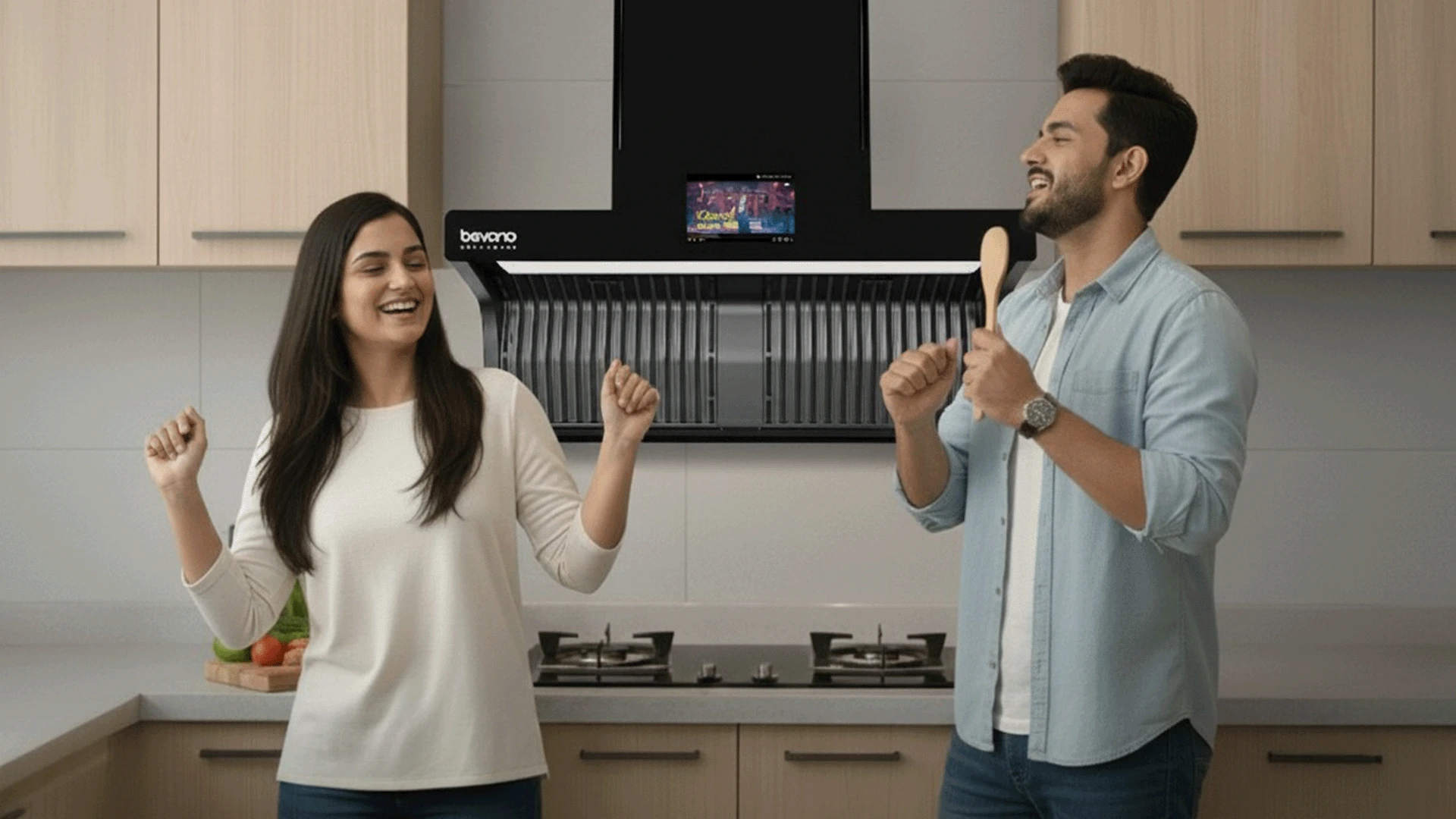
Smart chimneys automatically adjust suction power based on cooking intensity. Sensor technology detects smoke and heat levels, optimizing air circulation. Energy-efficient motors reduce power consumption while maintaining superior performance. Remote control features allow adjustment without interrupting cooking activities.
Urban Indian homes often feature limited kitchen space, making compact kitchen design essential. Smart appliances offer space-saving solutions without compromising functionality. Future kitchen trends emphasize vertical storage and multi-functional devices that maximize every square foot.
Built-in smart appliances create seamless integration with cabinetry. Stackable units combine multiple functions in minimal space. Drawer-style appliances provide easy access while maintaining clean lines. Modular designs allow customization based on specific needs and preferences.
Combination appliances serve multiple purposes, reducing overall footprint. Smart cooktops with integrated ventilation eliminate separate chimney requirements. All-in-one units combine cooking, steaming, and warming functions. Convertible appliances adapt to different cooking methods as needed.
The integration of AI in kitchen technology represents the pinnacle of modern kitchen tech. These systems learn from user behavior and optimize performance automatically. Advanced sensors monitor food safety and cooking progress with remarkable precision.
Smart sensors detect gas leaks and automatically shut off supply lines. Temperature monitoring prevents overheating and potential fire hazards. Humidity sensors optimize food storage conditions. Motion detectors activate lighting and ventilation systems automatically.
Voice commands control multiple appliances simultaneously through centralized systems. Smart speakers provide cooking instructions and timer management. Hands-free operation maintains hygiene during food preparation. Integration with music and entertainment systems enhances cooking experiences.
Establishing a successful connected kitchen requires careful planning and proper integration. Central control systems coordinate multiple smart kitchen appliances through unified interfaces. Network requirements and security considerations ensure reliable and safe operation.
Unified smartphone apps control all connected appliances from single interfaces. Cloud-based systems enable remote access from anywhere. Scheduling features automate daily routines and cooking preparations. Energy monitoring tracks consumption and identifies optimization opportunities.
Reliable Wi-Fi coverage throughout the kitchen ensures consistent connectivity. Mesh network systems eliminate dead zones and connection drops. Dedicated IoT networks separate smart appliances from personal devices. Regular software updates maintain security and add new features.
The future of smart kitchen devices promises even more sophisticated automation and personalization. Future kitchen trends focus on sustainability, health monitoring, and seamless integration with daily life. Machine learning algorithms will predict cooking needs and prepare accordingly.
Next-generation appliances will achieve 50% greater energy efficiency than current models. Solar integration will power smart kitchen systems during peak daylight hours. Water recycling systems will minimize waste in dishwashing and food preparation. Smart grid integration will optimize energy usage during off-peak hours.
Smart appliances will analyze nutritional content of prepared meals automatically. Integration with fitness trackers will suggest meal plans based on activity levels. Allergen detection systems will alert users to potential dietary conflicts. Portion control features will support healthy eating habits.
Essential smart kitchen devices include intelligent refrigerators, connected ovens, smart chimneys, and automated cooktops. These appliances provide the foundation for a fully integrated kitchen ecosystem.
Smart kitchen transformation costs range from INR 2,00,000 to INR 8,00,000 depending on appliance selection and integration complexity. Basic smart appliance upgrades start around INR 50,000 for individual units.
Most smart appliances are designed to fit standard kitchen dimensions and can replace conventional units directly. Retrofit options are available for older kitchens without major renovations.
Security risks include potential hacking of connected devices and privacy concerns with data collection. Regular software updates and strong network passwords minimize these risks significantly.
Smart appliances reduce cooking time by 30-40% through precise temperature control and automated processes. Pre-programmed settings eliminate guesswork and ensure consistent results every time.
Look for brands that support common connectivity standards and offer comprehensive smartphone apps. Compatibility with popular smart home systems ensures seamless integration across all devices.
The transformation of kitchens through smart technology represents a significant investment in convenience, efficiency, and modern living. Smart kitchen appliances offer tangible benefits including energy savings, improved cooking results, and enhanced safety features. As the future of smart kitchen devices continues to evolve, early adoption provides immediate advantages while preparing homes for upcoming innovations. The key to successful smart kitchen implementation lies in choosing compatible devices, ensuring reliable connectivity, and prioritizing features that align with daily cooking habits and lifestyle preferences.
