

How to Maximize Benefits of Gas Hob Cooking
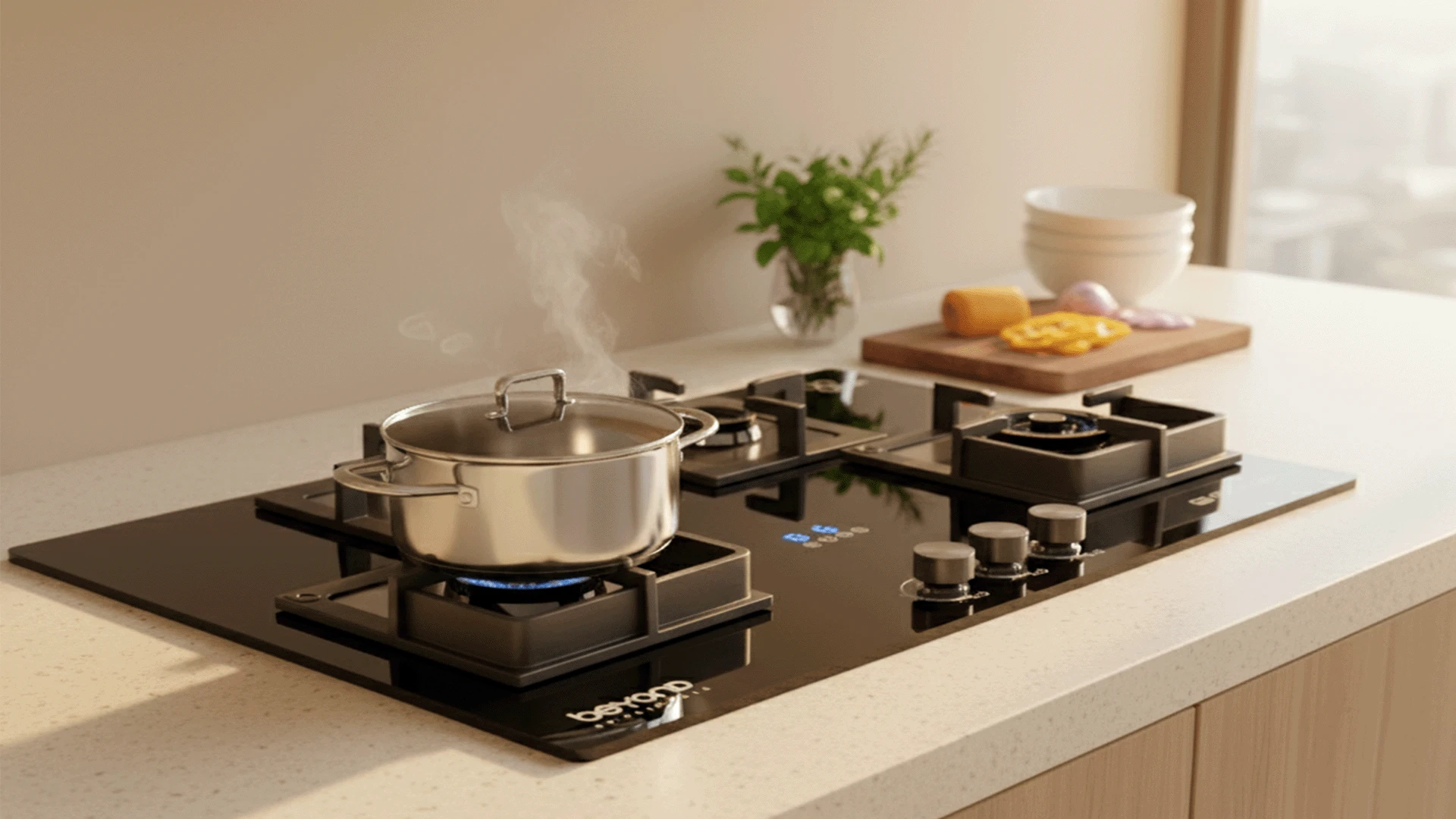
Gas cooking has transformed kitchens worldwide, offering unmatched precision and control that electric alternatives simply cannot match. The benefits of gas hob cooking extend far beyond simple meal preparation, encompassing energy efficiency, superior heat control, and professional-grade performance that elevates every culinary experience. Modern homemakers and professional chefs alike recognize that gas hobs provide instant responsiveness, visual flame indicators, and the ability to achieve perfect cooking results consistently. Whether you're searing vegetables, simmering delicate sauces, or preparing elaborate family meals, understanding how to maximize these advantages can revolutionize your cooking approach and deliver restaurant-quality results in your own kitchen.
Professional kitchens worldwide rely on gas cooking for good reason. The gas hob advantages begin with instant heat response that allows immediate temperature adjustments without waiting periods. Unlike electric cooktops that require time to heat up and cool down, gas flames respond instantly to control adjustments, providing the precise timing essential for perfect cooking results. Visual flame control represents another significant advantage that sets gas cooking apart. Chefs can see exactly how much heat they're applying, making intuitive adjustments based on visual cues rather than guessing at heat levels. This immediate feedback creates a more connected cooking experience where you can respond instantly to changing cooking conditions.
Commercial kitchens choose gas for its reliability and consistent performance under demanding conditions. Gas hobs maintain steady heat output regardless of power fluctuations that might affect electric alternatives. This consistency ensures that cooking times remain predictable and results stay uniform across multiple dishes.
Today's modern gas hob design combines traditional gas cooking benefits with contemporary aesthetics. Sleek glass surfaces, precision-engineered burners, and integrated safety features create appliances that complement modern kitchen designs while delivering superior cooking performance. These innovations maintain all the classic advantages of gas cooking while addressing modern lifestyle needs.
Precise temperature management forms the foundation of successful cooking with gas. Unlike electric cooktops that heat gradually, gas flames provide immediate temperature changes that allow for sophisticated cooking techniques previously reserved for professional kitchens. Understanding how to leverage this responsiveness maximizes both cooking quality and energy efficiency. Gas hob temperature control operates on direct flame adjustment principles. Low flames provide gentle simmering perfect for delicate sauces and slow-cooking methods. Medium flames offer versatile heat suitable for most everyday cooking tasks, while high flames deliver intense heat for searing, stir-frying, and rapid boiling. The key lies in matching flame intensity to cooking requirements rather than using maximum heat for all tasks.
Mastering immediate heat adjustments requires understanding how different flame levels affect cooking outcomes. Start with medium flame for most cooking tasks, then adjust up or down based on food response. For delicate ingredients, begin with low heat and gradually increase as needed. This approach prevents overcooking while ensuring thorough heat penetration.
Gas hob efficiency improves significantly when you match pot sizes to burner sizes and use appropriate flame levels. Oversized flames that extend beyond cookware edges waste energy and create unnecessary heat in the kitchen. Proper flame adjustment ensures maximum heat transfer to food while minimizing energy waste.
The gas hob vs electric debate centers on performance, efficiency, and cooking quality differences that significantly impact daily cooking experiences. Gas hobs consistently outperform electric alternatives in heat responsiveness, temperature precision, and overall cooking control. Understanding these differences helps homemakers make informed decisions about their kitchen equipment investments. Heat-up time analysis reveals dramatic differences between gas and electric cooking surfaces. Gas flames reach full intensity instantly, while electric elements require several minutes to achieve maximum temperature. This immediate responsiveness translates to faster cooking times and better control over cooking processes, particularly important for techniques requiring precise timing.
While initial energy costs vary by region, gas stove benefits include generally lower operating costs compared to electric alternatives. Gas burns directly beneath cookware, transferring heat efficiently without the energy losses associated with electric element heating. This direct heat transfer method typically results in lower overall energy consumption for most cooking tasks.
The pros of gas cooking become evident when comparing actual cooking performance. Gas flames provide even heat distribution that prevents hot spots common with electric coils. This uniform heating ensures consistent cooking results and reduces the likelihood of burned or unevenly cooked food. Professional chefs consistently choose gas for its superior performance characteristics.
Modern kitchen designs increasingly favor compact gas hobs that deliver full cooking performance within space-efficient footprints. These innovative appliances prove that size limitations need not compromise cooking capabilities when proper design principles guide development. Contemporary compact gas hobs integrate seamlessly into modern kitchen layouts while maintaining all the essential benefits of traditional gas cooking. Space-efficient design focuses on optimizing burner placement and control accessibility within reduced dimensions. Modern gas hob design incorporates precision-engineered burners that deliver concentrated heat output without requiring large surface areas. This concentration of cooking power ensures that compact units perform comparably to larger alternatives while fitting into smaller kitchen spaces.
Compact gas hobs complement modern kitchen design trends that emphasize clean lines and uncluttered surfaces. Glass-top designs with concealed controls create seamless integration with contemporary countertops while maintaining easy access to essential cooking functions. These design elements ensure that space-saving appliances enhance rather than compromise kitchen aesthetics.
Maximizing performance from compact gas hobs requires strategic cooking approach adjustments. Use appropriately sized cookware that matches burner dimensions to ensure efficient heat transfer. Plan cooking sequences to take advantage of multiple burners effectively, and consider cooking methods that work well with the available burner configurations.
Implementing proven gas hob cooking tips transforms ordinary cooking into exceptional culinary experiences while maximizing energy efficiency and cooking performance. These strategies focus on practical techniques that any home cook can master, regardless of experience level. Proper implementation of these methods ensures consistent results while reducing cooking times and energy consumption. Optimal cookware selection significantly impacts gas cooking efficiency. Choose pots and pans with flat, heavy bottoms that make complete contact with burner flames. Avoid warped or lightweight cookware that creates uneven heating and energy waste. Copper and aluminum cookware provide excellent heat conduction, while cast iron offers superior heat retention for specific cooking applications.
Master flame adjustment by observing how different flame sizes affect cooking outcomes. Blue flames indicate complete combustion and maximum efficiency, while yellow flames suggest incomplete burning and potential safety concerns. Adjust flames so they remain blue and stay beneath cookware edges for optimal heat transfer and safety.
Regular maintenance ensures continued gas hob efficiency and safety. Clean burner ports regularly to prevent clogs that affect flame quality. Wipe spills immediately to prevent buildup that can interfere with proper operation. Check gas connections periodically and ensure adequate ventilation to maintain safe operating conditions.
Safe gas hob operation requires understanding proper ventilation, maintenance, and usage practices that protect both health and property. Modern gas hobs incorporate multiple safety features, but responsible usage remains essential for maintaining safe cooking environments. Proper ventilation prevents gas buildup and ensures complete combustion that minimizes harmful emissions. Proper ventilation requirements include adequate air circulation and exhaust systems that remove combustion byproducts effectively. Install range hoods or exhaust fans that provide sufficient air movement to clear cooking areas of gas residues and cooking odors. Ensure adequate fresh air supply to support complete gas combustion and prevent oxygen depletion in cooking areas.
Preventing carbon monoxide accumulation requires maintaining proper burner adjustment and ensuring adequate ventilation during cooking. Blue flames indicate complete combustion that minimizes carbon monoxide production, while yellow flames suggest incomplete burning that increases harmful gas production. Regular maintenance and proper usage prevent dangerous gas accumulation.
Contemporary gas hobs include automatic ignition systems, flame failure safety devices, and child safety locks that enhance operational safety. These features provide multiple layers of protection against gas leaks, accidental ignition, and unauthorized operation. Understanding and properly using these safety systems ensures maximum protection during cooking activities.
Gas hob cooking provides instant heat control, visual flame indicators, energy efficiency, and superior temperature precision. These advantages enable better cooking results, faster meal preparation, and lower operating costs compared to electric alternatives.
Gas hobs typically offer better energy efficiency through direct heat transfer and instant temperature control. The immediate responsiveness eliminates energy waste from prolonged heating and cooling cycles common with electric cooktops.
Modern compact gas hobs deliver comparable cooking performance to larger models through precision-engineered burner designs and optimized heat distribution. Proper cookware selection and cooking techniques maximize their effectiveness in smaller spaces.
Look for automatic ignition systems, flame failure safety devices, child safety locks, and easy-to-clean surfaces. These features provide comprehensive protection while maintaining convenient operation and maintenance.
Use appropriately sized cookware, maintain proper flame adjustment, keep burners clean, and ensure adequate ventilation. These practices optimize heat transfer, reduce energy waste, and maintain safe operating conditions.
Regular cleaning of burner ports, immediate spill cleanup, periodic safety checks, and professional servicing when needed ensure continued safe and efficient operation. Proper maintenance extends appliance life and maintains optimal performance.
Maximizing the benefits of gas hob cooking requires understanding proper techniques, safety practices, and maintenance requirements that ensure optimal performance and safety. Gas hobs offer unmatched temperature control, energy efficiency, and cooking precision that elevate culinary results while providing cost-effective operation. Whether choosing compact models for modern kitchens or full-size units for extensive cooking needs, proper selection and usage techniques ensure maximum benefit from these versatile cooking appliances. Implementing proven cooking strategies, maintaining proper safety practices, and understanding the unique advantages of gas cooking transforms everyday meal preparation into exceptional culinary experiences that satisfy both practical needs and creative aspirations.
